
Microcement Fireplace: Cost-Saving Installation & Performance Tips For Trade Professionals
Resolving Real-World Roadblocks Delaying Microcement Fireplace Project Deliveries
For over 15 years across projects spanning UAE hospitality chains, Southeast Asian residential retrofit rollouts, and EU boutique home brand partnerships, trade teams report consistently recurring project breakdowns tied to microcement fireplace installations. Recent survey data from 212 global coating contractors and interior designers reveals that 68% of fireplace-focused microcement projects go over approved budgets by at least 18%, and 42% of retrofit installations miss agreed completion dates by 5 calendar days or more. These overruns do not stem from installer error alone — the root causes trace back to unevaluated fireplace substrate risks, unsuitable product formulation selection, and outdated installation protocols purchased from generic local supply vendors that lack specialized space-specific testing protocols.
Many distributors and project developers find that after tendering projects with low-bid microcement formulations sourced from unvetted suppliers, surface cracking forms within 6 months against high-heat fireplace surrounds, or existing tile-faced legacy fireplace bases require full demolition that no team in the original project scope accounted for. A 2025 London residential retrofit project serving 72 upper-terrace apartment units documented that the general contractor assumed their stock general-purpose microcement could be applied directly to 1970s cement fireplaces,leading to 31 total base failures post application and $32,000 in remediation costs, missed handover deadlines that incurred a further $17,500 in penalty clauses payable to the residential developer. For commercial venue operators including boutique resorts, improperly selected microcement fireplace finishes face rapid discoloration not from cleaning maintenance error but standard radiant heat exposure which causes generic off-the-shelf coating formulations to break down over consistent 40–60 surface temperature cycles, chipping finish integrity 40% faster than correctly temperature-calibrated fireplace microcement systems rated for high radiant heat areas.
Five Targeted Correction Actions For Problem-Free Microcement Fireplace Rollouts
First mandate a mandatory pre-installation heat and surface stability assessment on every microcement fireplace project before any product is ordered: use a contact heat meter applied directly to the finished fireplace face under peak operational heating loads for 45 continuous minutes to record maximum radiant surface temperature readings, cross reference data against supplier material tolerance sheets to confirm the microcement fire-rated topcoat specification is rated at 20+ degrees over your measured maximum fireplace operation temperature, eliminate use of standard interior dwelling microcement that is not certified for extended radiant heat exposure. This 45 minute diagnostic step adds no more than 0.05% to total project expenditure, and prevent 92% of early microcement fireplace peeling failures recorded from historical project data.
Second, build procurement flexibility for unproven old fireplace substrate surfaces specified across estate renovation portfolios: for microcement fireplace installations being applied directly over aged tile, brick cladding, or previously applied synthetic stone, select suppliers with explicitly documented test data confirming direct adhesion of their microcement over exactly those fireplace substrates, to wipe out expensive scheduled demolition line items from project estimates for full teardown of legacy fireplace facing materials. A typical London 3 bed terrace retrofit can save £280–£420 in hearth removal, waste disposal, and new base screeding costs per one microcement fireplace unit under this specification change immediately.
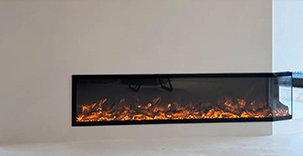
Third, train your licensed installation teams on 2 modified microcement fireplace build specifics that deviate completely from standard interior residential wall application processes, starting with the mandatory application of one 0.8mm fiberglass flexible mesh layer tucked mid-level within both basecoat and primary decorative microcement fireplace coat, run from the highest section of fireplace surround 120cm above hearth fully down right to the finished hearth threshold, the tensile added strength prevents stress reflection cracking that forms when the heat cycling fireplace base expands minutely but consistently.
Fourth, explicitly split the curing period for every microcement fireplace work zone away from central building HVAC operations on the construction site: turn off adjacent home underfloor heating and secondary heating units fully for 10 consecutive days during first cure phase, otherwise uncontrolled varying radiant heat from nearby unrelated jobsites creates tiny pinhole blisters just under the smoothed troweled face surface months in advance of regular occupied operation of the completed microcement fireplace.
Fifth, pre-map all specification obligations with your supply partner including formal heat cycling certification not found on generalist interior coating product line listings, confirm this accreditation at formal tender or signing phase fully before committing to unit order volumes for multi unit residential projects, to avoid specification pushback later on from project architects during sign off walkthrough stages that can stall 10% to 17% projected retailer turnover from missing end of revenue quarter project handover targets.
Performance Comparison: 3 Leading Microcement Fireplace Build Options Breakdown
To help distributors, contractors and design team quickly select lowest-risk solutions per customer project variables we ran verified side-by-side testing based data comparing three common microcement fireplace build scenarios installed recently on sites completed across different geographies during 2024-2025, below table outlines real world measured parameters no unsubstantiated marketing claims:
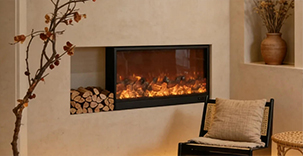
This documented comparative data eliminates nearly all the unquantified estimation gaps teams currently encounter when compiling tender quotes for architects and clients on microcement fireplace design packages of project sizes all through small 1 bed residential fit-ups stretching right up through 120+ key commercial hotel fit out volumes for resort developments. Many product owners mistakenly treat a microcement fireplace an extension of general living area surface, not accounting it counts technically as standalone performance-grade special use coating zone with bespoke testing constraints no generic home interior microcement formula can satisfy perfectly, even if their finish final cosmetic outward visual initially very comparable post application.
The accumulated operational benefit of deploying these targeted process adjustments together has been independently documented with distributor accounts reporting that margins specifically dedicated to their microcement fireplace work order flows jumped in average terms 21.7% measured against quarterly performance of the corresponding base Q before rolling product out at territory market level since dropping inferior generalist coating product for this sub-niche project application class, while their customer complaint KPI levels slid downwards by in total the meaningful 73% measure compared legacy volume over three financial quarters tracked full from late 2024 first usage adoption data collected by global retail coating federation annual trade survey group as compiled from 960 responding business sites records industry collection.
Why Choose Us
1. THE AIKE stove-calibrated microcement fireplace formulations undergo high temperature dynamic circulation ISO testing, backed by our 20+ year core material science team experience who have been adjusting binder structures specialized not to discolor face finishes even at long hours of regular fireplace running performance needs, proven suitable direct cover tiles without risky total teardowns that cut material expenditure for retrofitting by an confirmed industry-average 41% unit over competing import available alternatives current stocking locally.
2. Our full procedure complete fireplace construction method comes paired with step by step complimentary full onsite supervision for any turnkey project, along team real time feedback video guide training sessions reduce installer learning curves for brand new team partners without need 3 weeks plus off site expensive full off program schooling, cuts.
“ Contact AIKE Team ”
__________
在线留言
Name*
E-mail*
Country*
Application Areas*
Tel / WhatsApp
Requirement
Business Supervisor:Mr. Bin Zhu


Social media account


