
The Ultimate Guide to Microcement Installation for Contractors and Dealers
Navigating the Complexities of Microcement Installation: A Strategic Blueprint for Professionals
Microcement has transitioned from a niche architectural trend to a staple in modern construction, favored by interior designers for its seamless aesthetic and by contractors for its versatility. However, the gap between a stunning visual render and a durable, crack-free reality lies entirely in the execution. For global distributors, engineering contractors, and developers, understanding the nuances of microcement installation is not just a technical requirement—it is a critical business differentiator.
This guide cuts through the marketing noise to address the real-world challenges of applying microcement in cross-border projects. We will explore why traditional painting methods fail with this material, how to mitigate common defects like cracking and delamination, and what criteria you must use when selecting a supplier to ensure long-term project success.
Why Microcement Installation Demands a Specialized Approach
Unlike conventional emulsion paints or even standard tile adhesives, microcement is a multi-layered composite system consisting of a primer, two layers of cementitious base, and a protective polyurethane topcoat. Its thickness typically ranges from 2mm to 3mm. This thin profile offers significant advantages—such as not altering door clearances or floor heights—but it also means there is zero tolerance for substrate movement or improper preparation.
For contractors operating in hot climates like the Middle East or Southeast Asia, rapid drying times can lead to premature curing, causing micro-cracks. Conversely, in humid European environments, insufficient ventilation during the curing phase can trap moisture, leading to blistering. Distributors who supply these products without adequate technical support often face high return rates and damaged reputations. Developers, on the other hand, are increasingly demanding low-maintenance solutions that mimic concrete or stone but offer superior waterproofing and hygiene, particularly in bathrooms and kitchens.
The core challenge of microcement installation is not just the application technique, but the holistic management of the substrate and environmental conditions. It requires a shift from viewing it as a "paint" to viewing it as a "thin-set architectural skin."
Critical Steps for Flawless Microcement Installation
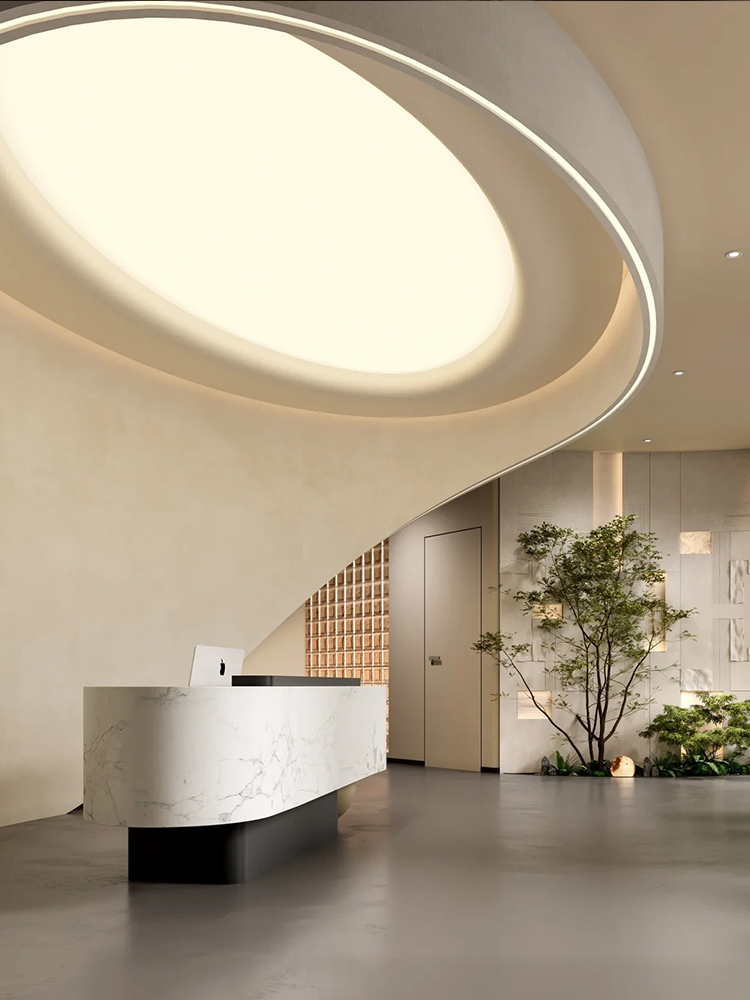
To achieve professional-grade results that satisfy both designers and end-users, the installation process must be rigidly controlled. Here are the non-negotiable steps for a successful project:
1. Substrate Assessment and Preparation: The surface must be stable, clean,and free of dust, oil, or loose particles. For existing tiles, which are common in renovation projects, mechanical abrasion or a specific bonding primer is essential. Skipping this step is the primary cause of delamination.
2. Reinforcement Layer Application: A fiberglass mesh must be embedded into the first layer of the primer/base coat. This reinforcement absorbs structural stress and prevents hairline cracks from telegraphing through to the final finish.
3. Multi-Layer Base Coating: Two distinct layers of the cementitious base must be applied. Each layer requires adequate drying time before the next is applied. Rushing this process compromises the chemical cure of the cement, leading to weak spots.
4. Finishing and Sealing: The final appearance is determined by skilled troweling techniques. Once the aesthetic is achieved, the polyurethane topcoats (usually two layers) provide the necessary water resistance, stain protection, and durability. The quality of this sealer is directly linked to the product’s longevity in high-traffic commercial spaces.
Comparing Installation Methods: Spray vs. Trowel
One of the most frequent questions from contractors is whether to use manual troweling or spray application. Both have distinct advantages depending on the project scale and labor availability.
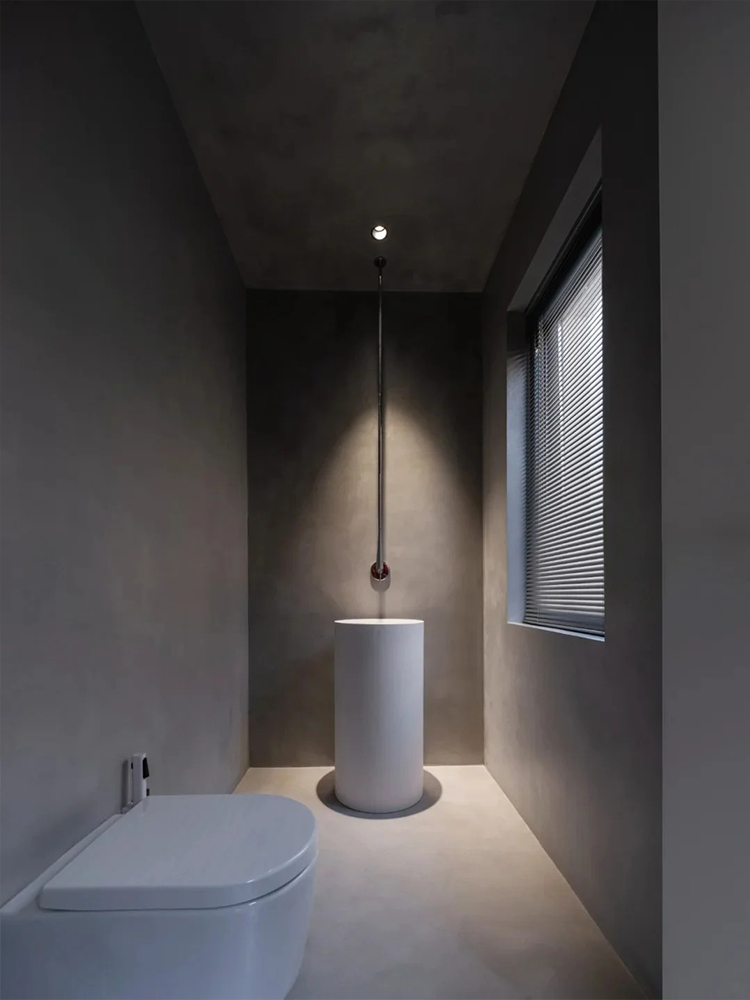
For distributors, offering a dual-system solution is a strong value proposition. It allows contractors to choose the method that fits their workforce capabilities, thereby expanding your product’s market reach.
Selecting the Right Supplier: Beyond Price and Color
When sourcing microcement installation materials, focusing solely on unit price is a strategic error. The true cost of a project includes waste, rework, and after-sales claims. A reliable supplier must provide more than just buckets of product; they must provide a complete ecosystem.
Technical Documentation & Training: Does the supplier offer detailed installation manuals in English? Do they provide video tutorials or on-site training for your local contractors? Knowledge transfer is key to reducing installation errors.
Certification Compliance: Ensure the product meets international standards such as REACH, ISO, or regional green building certifications. This is crucial for developers bidding on high-end projects in Europe and North America.
Consistency and Batch Control: Visual defects often arise from color variance between batches. A mature manufacturer guarantees stability in pigment and formula, ensuring that a warehouse order matches the retail stock months later.
After-Sales Support: In the event of a dispute regarding failure, does the supplier have a responsive technical team to diagnose the issue? Is it a product defect or an installation error? Clear liability frameworks protect your business.
Why Choose Us: THE AIKE Paint

At THE AIKE Paint, we understand that successful microcement installation relies on the synergy between premium materials and expert guidance. Since 2013, we have specialized in providing comprehensive solutions for global B2B partners, including distributors, contractors, and developers.
Dual Construction Systems: Our microcement line supports both traditional trowel and efficient spray applications, giving contractors the flexibility to optimize speed and cost for any project size.
Proven Adhesion Technology: Our exclusive primer formulas ensure superior bonding to difficult substrates, including existing tiles and gypsum boards, eliminating the need for costly demolition during renovation projects.
Global Compliance & Stability: All our products are VOC-free and certified for international markets, ensuring that your projects meet strict environmental and safety regulations without compromising on durability or aesthetics.
Full-Process Technical Empowerment: We don’t just sell paint; we empower your team. With 20+ years of industry expertise, our senior technical team provides color matching, application guidance, and troubleshooting support to ensure every project is delivered flawlessly.
Don’t let installation complexities hinder your project growth. Partner with a supplier who prioritizes technical reliability and cost-effectiveness.
Contact us today for a free product sample and customized coating solution
“ Contact AIKE Team ”
__________
在线留言
Name*
E-mail*
Country*
Application Areas*
Tel / WhatsApp
Requirement
Business Supervisor:Mr. Bin Zhu


Social media account


