
Microcement Exterior: Weatherproof Facade Solutions for Lasting Beauty
The Exterior Coating Dilemma Faced by Global Contractors and Developers
Every project manager, developer, and contractor on overseas markets knows the headache: exterior walls exposed to harsh UV, heavy rainfall, extreme temperature swings, and salt-laden coastal air will crack, fade, and peel within a few years—regardless of which conventional paint you use. Reapplying every three to five years means inflated maintenance budgets, unhappy building owners, and damaged reputations for the firms that specified them.
The turning point arrives when decision-makers stop treating exterior finishes as mere aesthetic cover-ups and start demanding a unified solution that marries appearance, waterproofing, and durability into a single system. That solution is microcement exterior—a cementitious, polymer-modified coating engineered to protect and beautify outdoor surfaces while resisting the forces that destroy ordinary paints.
Why Microcement Exterior Is Rewriting the Rules of Outdoor Coatings
Unlike traditional acrylic or silicone exterior paints that sit on the surface of a wall, microcement exterior creates a seamless, monolithic membrane that chemically bonds to substrates such as concrete, cement board, EIFS, and existing tile. The result is not just a new color—it is a rebuilt skin for the building envelope.
Here is what distinguishes microcement exterior from conventional options on real-world job sites:
1. Superior waterproofing for exterior environments
Exterior microcement formulations contain modified acrylic resins and fine mineral aggregates that form a dense, impermeable barrier. Water cannot penetrate the layer, yet the system remains breathable enough to allow trapped moisture inside the substrate to escape. This dual behavior eliminates blistering, delamination, and freeze-thaw spalling—common failure modes for standard exterior paints in cold climates.
2. Exceptional UV and color stability
Pigments used in quality microcement exterior products are inorganic and UV-resistant. Decades of field exposure in regions like the Middle East, Southeast Asia, and Mediterranean Europe confirm that the color retains its intensity without the chalky fading that degrades latex and oil-based exterior coatings within two to four years.
3. Crack-bridging flexibility for aging structures
Buildings settle, expand, and contract with seasonal temperature changes. A rigid coating will crack along movement joints and stress lines, letting water ingress follow the fissures. Microcement exterior retains controlled flexibility after curing, bridging hairline cracks up to a defined millimeter range and maintaining its integrity even on older substrates that experience regular thermal cycling.
4. Zero-joint aesthetics for large-scale façades
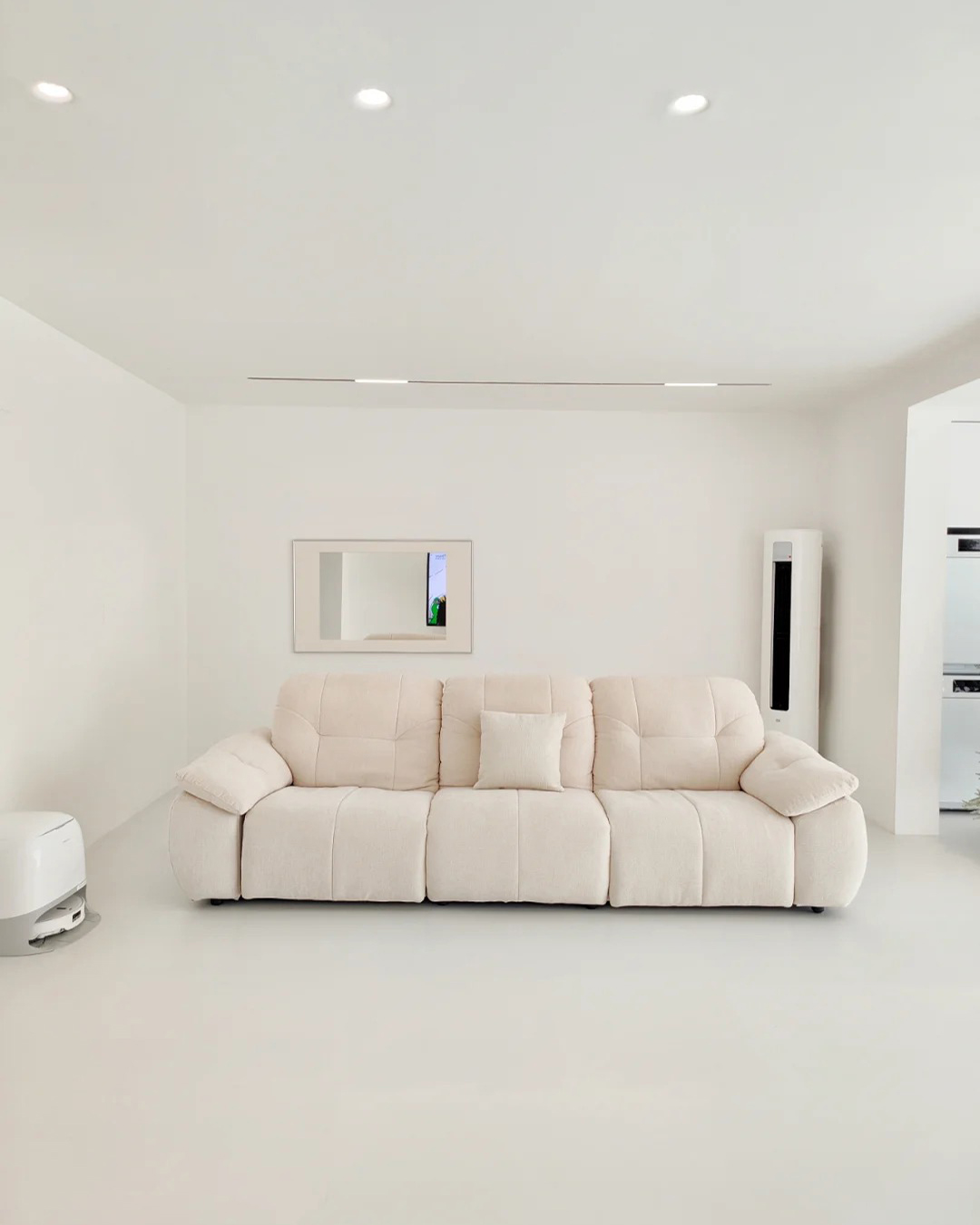
Architects and developers increasingly specify continuous exterior finishes for modern commercial towers, resort villas, and luxury residential complexes. Joints between panels, tiles, or boards create visual interruptions and, more critically, water entry points. Microcement exterior is troweled as a seamless layer across expansive vertical surfaces, delivering the clean, monolithic look demanded by contemporary design while eliminating joint maintenance headaches.
5. Adhesion to diverse exterior substrates
One of the most practical advantages for contractors is the ability to apply microcement exterior directly over existing substrates—including old ceramic tiles, weathered concrete, fiber-cement boards, and rendered surfaces—without extensive demolition. This capability slashes preparation time and disposal costs on façade renovation projects, particularly in urban retrofit markets where structural modification is restricted.
Microcement Exterior vs. Traditional Exterior Paints: A Side-by-Side Comparison
Understanding the real performance gap requires a clear, application-focused comparison rather than vague marketing claims.
This comparison illustrates why procurement teams and project managers evaluating microcement exterior solutions focus on total cost of ownership rather than unit price alone. A building façade finished with microcement may carry a higher initial material and labor expense, but the elimination of repeat repainting cycles, reduced water-damage repair bills, and extended aesthetic appeal deliver a compelling return on investment—especially on commercial and hospitality projects where downtime directly affects revenue.
Real-World Application Scenarios for Microcement Exterior
Luxury residential developments and villa complexes
Developers targeting high-end markets in regions like the UAE, Spain, Thailand, and Brazil require exterior finishes that communicate premium quality while surviving intense sun and monsoon rains. Microcement exterior provides a sleek, contemporary surface available in an extensive palette—from light sand tones to deep charcoal—enabling consistent brand identity across multiple units without custom color blending for each batch.
Hotel and resort façade upgrades
Hospitality operators operate on tight renovation schedules and cannot afford prolonged closures. Because microcement exterior adheres over existing tiles and renders, hotels in coastal destinations can renew their exteriors without tearing out original materials. The seamless finish also resists salt spray corrosion and humidity-induced mold growth—two persistent problems for properties near the ocean.
Commercial office buildings and retail facades
Urban commercial properties benefit from the architectural flexibility of microcement exterior. Designers can achieve everything from smooth minimalist planes to subtly textured finishes that convey solidity and sophistication. The system's durability reduces the frequency of scaffolding rentals and facade maintenance shutdowns, protecting the owner's operating budget.
Bridge abutments, retaining walls, and structural concrete restoration
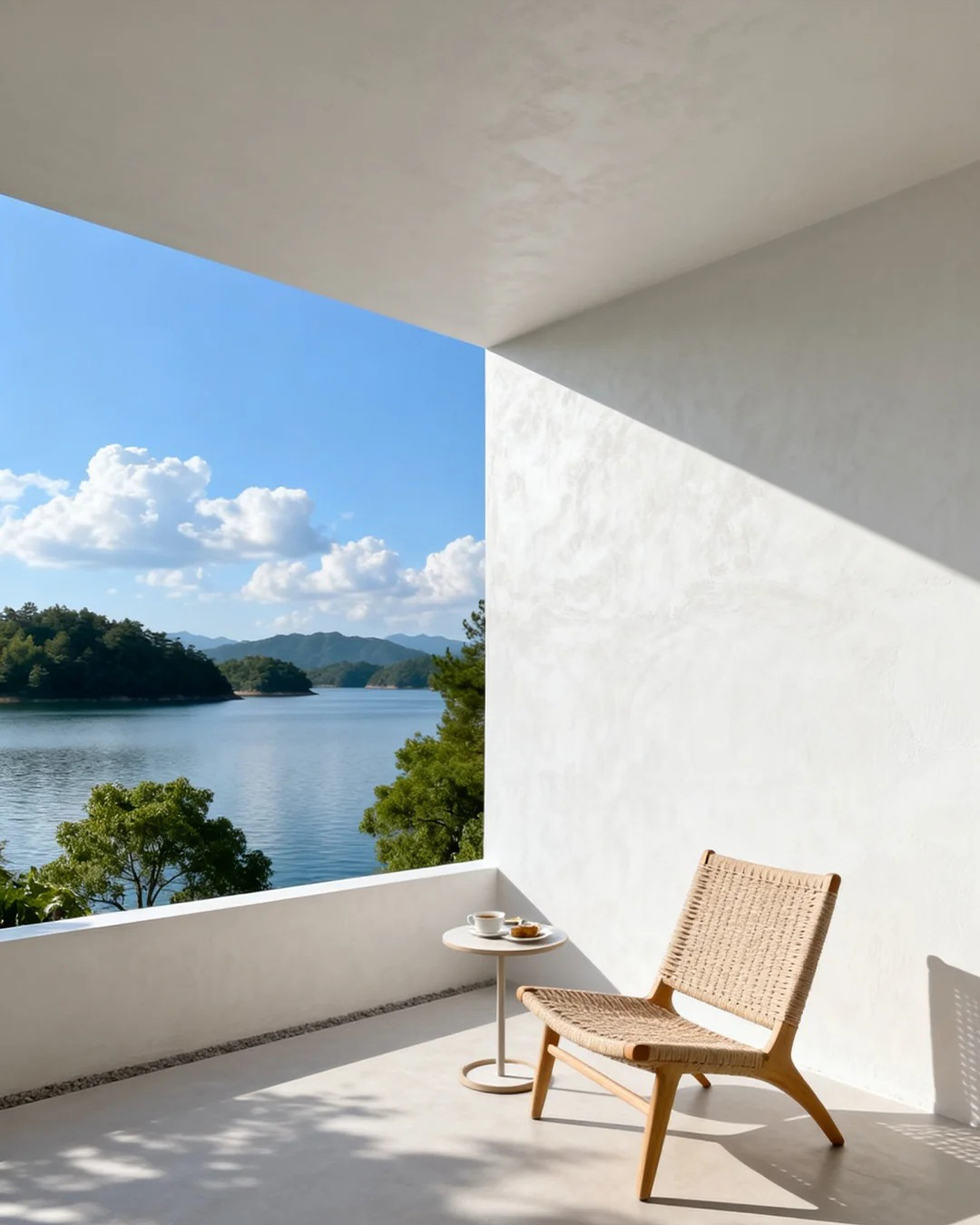
Infrastructure projects and civil engineering applications increasingly specify microcement exterior for protective coating because of its exceptional adhesion and waterproofing on vertical concrete surfaces. Municipal authorities and infrastructure contractors appreciate the reduced need for surface preparation and the extended service interval compared to epoxy or polyurethane alternatives.
Key Selection Criteria When Sourcing Microcement Exterior Products
Choosing the right supplier for microcement exterior requires evaluating more than price. Here are the critical factors every buyer should assess:
Formulation specificity for exterior use
Not all microcement products are suitable for outdoor application. Interior-grade formulations lack the UV stabilizers, waterproofing modifiers, and flexibility agents required for exterior exposure. Always verify that the product is explicitly engineered and tested for outdoor conditions, including its water absorption rating, freeze-thaw resistance, and UV stability certifications.
Certification and compliance documentation
Global projects demand compliance with local building codes and environmental standards. Reputable manufacturers provide test reports for VOC emissions, heavy metal content, weathering performance, and fire resistance. For export to Europe, Australia, or North America, third-party certifications such as CE marking, Green Label, or equivalent regional standards add credibility and simplify the approval process.
Technical support and application training
Microcement exterior installation requires skilled applicators familiar with surface preparation, priming, base coat application, and sealing. Suppliers that offer comprehensive training programs, on-site technical guidance, and detailed application manuals help contractors achieve consistent results and minimize rework. This support is especially valuable for firms entering the microcement exterior market for the first time.
Color consistency and custom color matching
Large-scale projects spanning multiple batches require precise color uniformity. Manufacturers with in-house color laboratories and advanced pigment dispersion technology can guarantee batch-to-batch consistency and offer custom color matching to align with architectural specifications or brand identities.
Supply reliability and logistics capability
International contractors cannot afford production delays or incomplete shipments. A supplier with sufficient manufacturing capacity, experienced export operations, and established logistics partnerships ensures that materials arrive on schedule and in full, keeping project timelines intact.
Conclusion: Making the Switch to Microcement Exterior Is a Strategic Decision
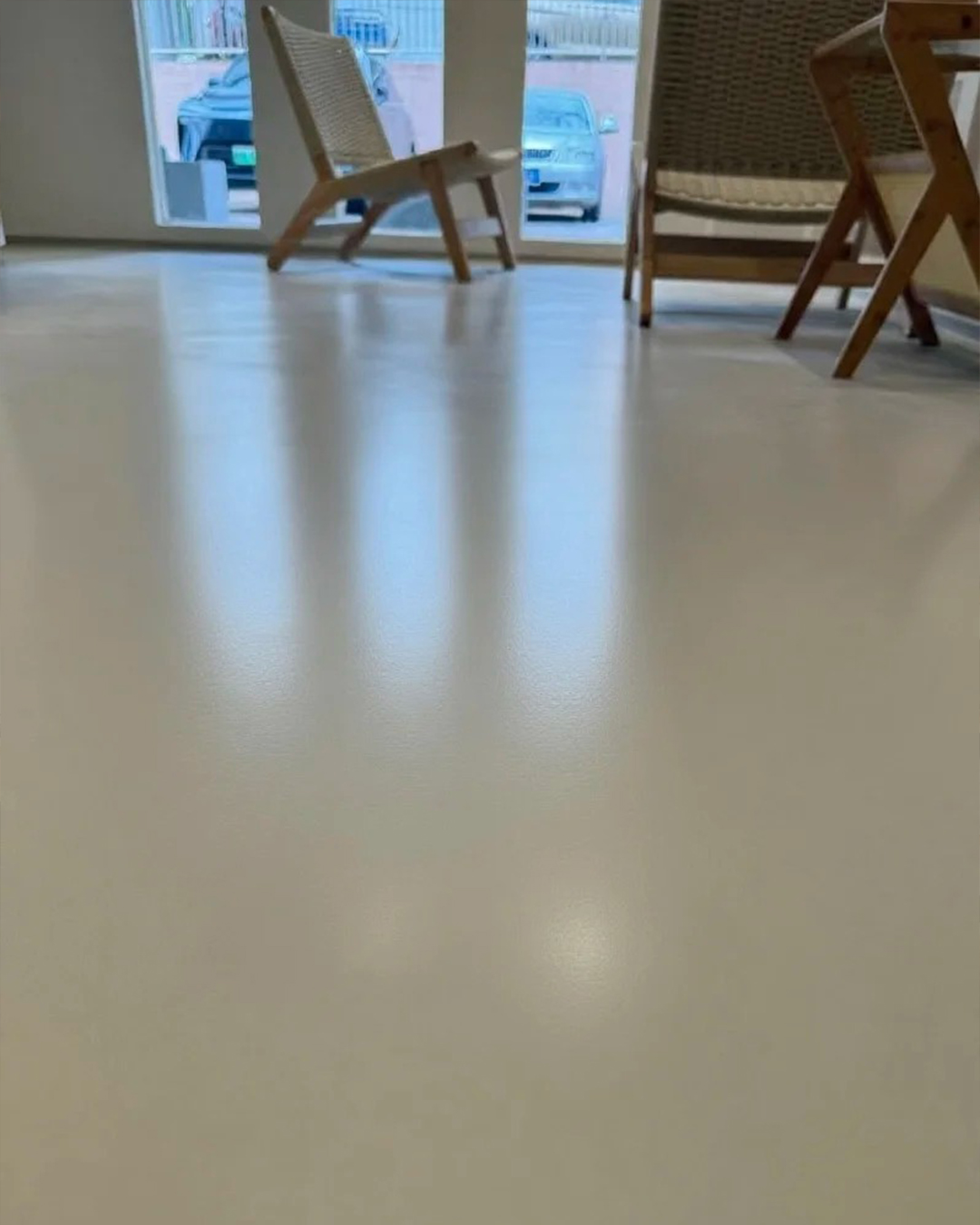
The exterior coating industry is shifting. Building owners, developers, and contractors are recognizing that the cheapest upfront option often becomes the most expensive over the lifecycle of a project. Microcement exterior represents a maturation in outdoor finish technology—one that combines aesthetic versatility, structural protection, and long-term economy into a single system.
For contractors, the choice means fewer callbacks,higher client satisfaction, and the ability to command premium project fees. For developers and property owners, it translates into reduced maintenance budgets and enduring visual appeal. For designers, it unlocks new creative possibilities on façades that were previously constrained by the limitations of paint and tile.
The question is no longer whether microcement exterior is worth considering. The question is which supplier can deliver the quality, support, and reliability your project demands.
Why Choose Us
Why Choose THE AIKE for Your Microcement Exterior Projects
1. Purpose-Built Exterior Microcement Formulations
THE AIKE manufactures a dedicated microcement exterior product line engineered specifically for outdoor exposure. Our formulations integrate UV stabilizers, waterproofing polymers, and flexible binders that resist cracking, fading, and water penetration—proven across projects in hot, humid, coastal, and cold climates worldwide.
2. Complete Technical Support for Smooth Execution
We do not simply ship products and walk away. Our senior expert team provides detailed surface preparation guidelines, application instructions, and on-site technical consultation to ensure your crew achieves optimal results. From primer selection to top-coat sealing, we guide every step so your project stays on schedule and within spec.
3. Global Certification and Reliable Export Delivery
All THE AIKE microcement exterior products comply with international environmental and performance standards, and we supply full certification documentation for import clearance and project approval. With mature export operations spanning six continents, we guarantee timely delivery and consistent batch quality—critical for large-scale international projects.
4. Competitive Pricing Without Compromising Performance
Our core philosophy is "Reliable Quality, Reasonable Price." THE AIKE delivers premium exterior microcement at competitive pricing, helping contractors and developers maintain healthy project margins while offering end clients a finish that stands the test of time.
Contact us today for a free product sample and customized coating solution for your exterior project.
“ Contact AIKE Team ”
__________
在线留言
Name*
E-mail*
Country*
Application Areas*
Tel / WhatsApp
Requirement
Business Supervisor:Mr. Bin Zhu


Social media account


