
Microcement Shower Walls: The Waterproof Solution for Modern Bathrooms
The Growing Demand for Microcement in Wet Areas
When it comes to contemporary bathroom design, contractors and interior designers are constantly searching for materials that combine aesthetics with practicality. Microcement has emerged as a game-changer, particularly for shower walls where durability and water resistance are non-negotiable. Unlike traditional tile solutions that require grout lines and frequent maintenance, microcement shower walls offer a seamless, monolithic finish that appeals to both high-end residential projects and commercial hospitality developments.
For distributors stocking coating products and contractors executing wet-area renovations, understanding the technical specifications and application requirements of microcement for shower environments is essential. This guide addresses the critical factors behind successful microcement shower wall installations, helping procurement specialists, project managers, and design professionals make informed decisions that reduce callbacks and enhance customer satisfaction.
Why Microcement Shower Walls Are Transforming Bathroom Projects
Microcement has gained significant traction in the commercial and residential sectors due to its unique properties that align perfectly with the demanding conditions of shower environments. Several technical advantages make it a superior choice compared to conventional tiling systems.
Superior Waterproof Performance
The fundamental requirement for any shower wall material is waterproof integrity. Modern microcement formulations feature exclusive waterproof additives that create an impermeable barrier when properly sealed. Unlike tile installations where water penetrates through grout lines leading to mold growth and substrate deterioration, microcement creates a continuous surface with zero joints. This eliminates the primary failure point in traditional shower wall systems.
Professional applications require a specialized sealing topcoat that forms a hydrophobic layer, protecting the microcement matrix from constant moisture exposure. High-quality products comply with international standards for wet-area applications, ensuring long-term performance even in high-humidity environments without blistering, peeling, or delamination.
Seamless Aesthetic Advantage
From a design perspective, microcement delivers what tile contractors struggle to achieve consistently: a truly joint-free finish. Shower walls clad in microcement present a unified surface that enhances spatial perception, making smaller bathrooms appear larger and more luxurious. This seamless quality is particularly valued in minimalist and modern design schemes where visual clutter from grout lines detracts from the intended aesthetic.
Designers appreciate the material's ability to accommodate complex geometries around shower fixtures, niches, and curved walls without the complications of cutting and fitting individual tiles. The result is a clean, architectural finish that elevates project value and justifies premium pricing in competitive markets.
Installation Efficiency and Cost Savings
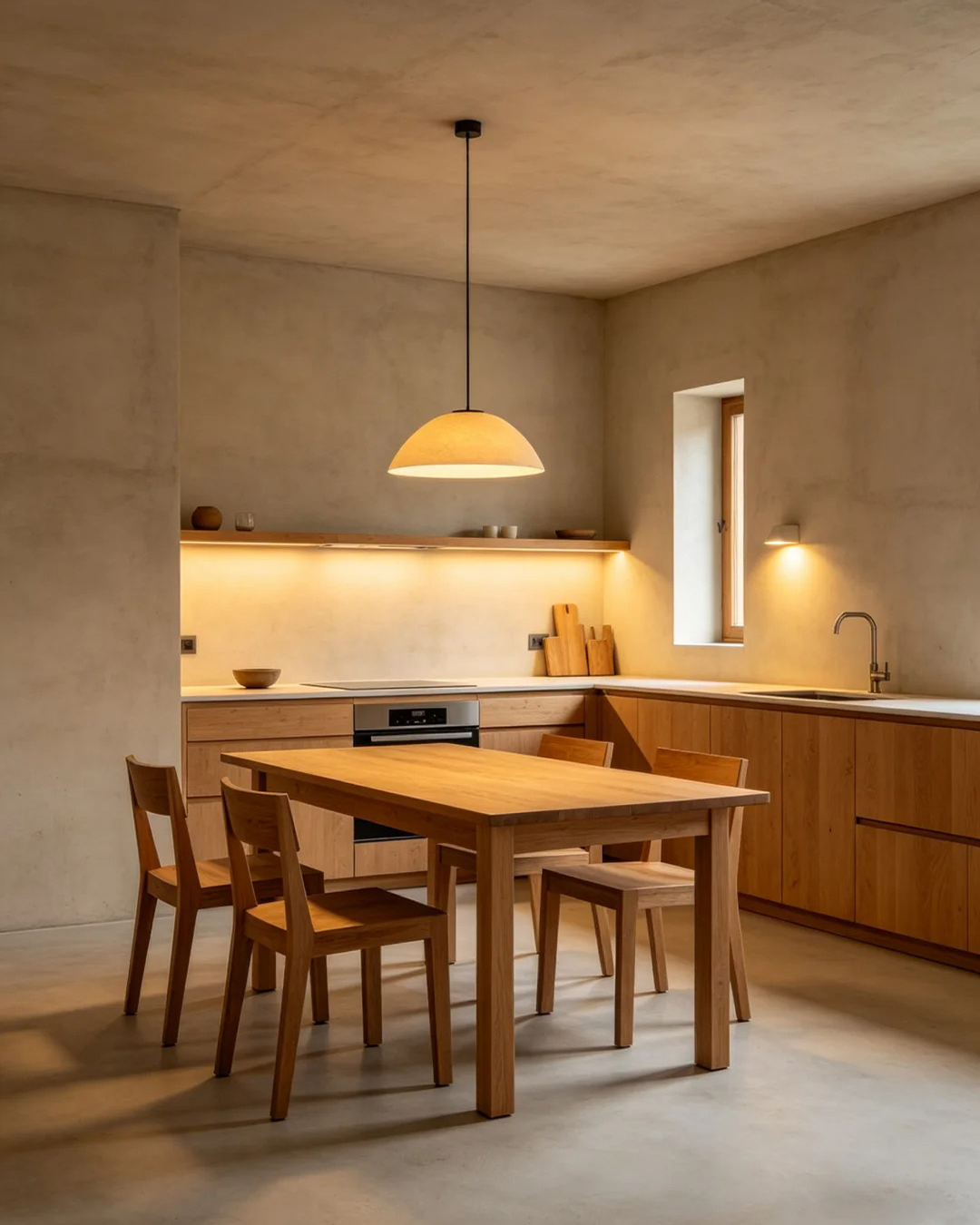
Contractors face increasing pressure to complete projects within tight timelines while controlling labor costs. Microcement addresses these challenges through its thin-application system. The 2-3mm finish layer applies directly over existing substrates, including ceramic tiles, cement boards, and gypsum panels. This eliminates demolition costs and reduces construction waste, making it ideal for renovation projects where homeowners prefer to retain existing tile installations.
The dual-application capability supports both spray and trowel methods, allowing contractors to select the most efficient approach for each project scale. Spray application proves particularly advantageous for large-scale developments such as hotel chains and apartment complexes, where speed directly correlates to profitability. Reduced reliance on highly skilled craftsmen compared to traditional tiling further lowers labor expenses and accelerates project completion schedules.
Durability in High-Traffic Environments
Shower walls endure constant exposure to water, temperature fluctuations, and cleaning chemicals. Quality microcement systems resist cracking under normal thermal expansion and contraction, maintaining structural integrity over decades of use. The surface hardness achieves ratings comparable to polished concrete, providing excellent scratch resistance against daily cleaning activities and accidental impacts from hard objects.
For commercial applications such as hotels, gyms, and public facilities, this durability translates into significantly reduced maintenance costs and extended refurbishment cycles. Property managers benefit from fewer service calls and lower lifecycle expenses compared to tile installations that require periodic grout replacement and sealant renewal.
Microcement vs. Traditional Tile: A Detailed Comparison
Selecting the appropriate shower wall system requires careful evaluation of multiple performance factors. The following comparison examines microcement against conventional ceramic and porcelain tile installations across dimensions that matter most to contractors, distributors, and developers.
Key Considerations for Successful Microcement Shower Wall Projects
Achieving optimal performance from microcement shower wall installations requires attention to several technical factors that directly impact project outcomes and client satisfaction.
Substrate Preparation Standards
The success of any microcement application depends fundamentally on proper substrate preparation. Shower wall surfaces must be clean, structurally sound, and free from loose materials,oils, or previous sealants that could compromise adhesion. Existing tile surfaces should exhibit no movement or cracking, as substrate defects transmit through the thin microcement layer.
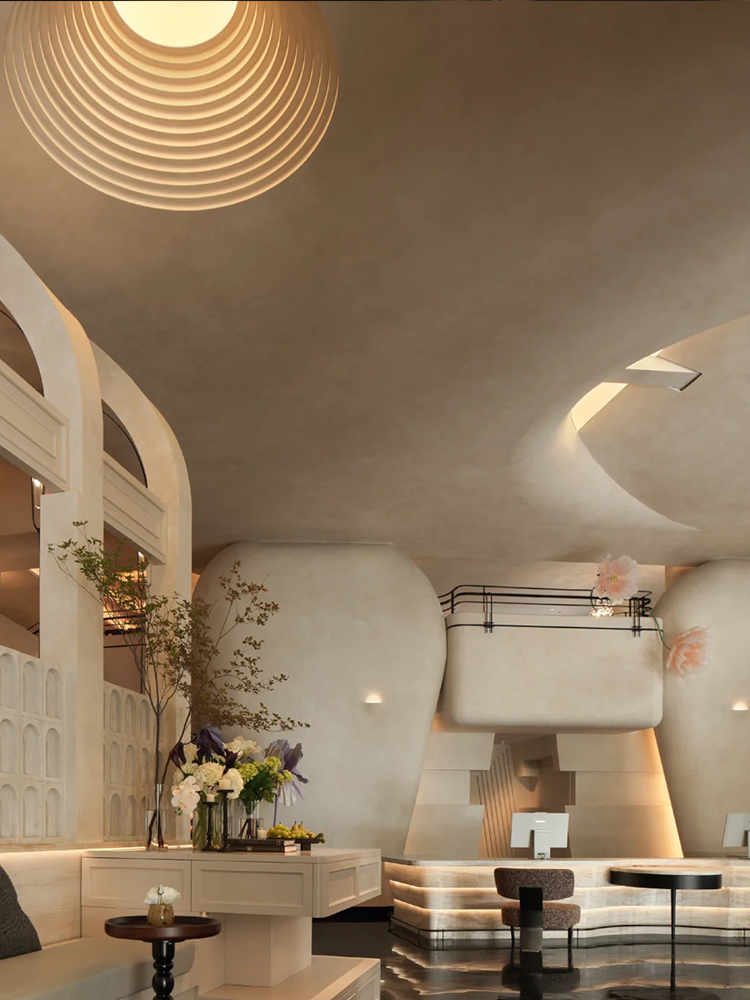
Contractors should verify that wall substrates meet moisture content specifications before application. Excessive moisture in cementitious substrates can prevent proper curing and lead to delamination. Professional assessment using moisture meters ensures installation occurs within manufacturer-recommended parameters.
Sealing System Selection
The waterproof performance of microcement shower walls hinges on selecting and applying the appropriate sealing topcoat. Not all sealants provide equivalent protection for wet-area applications. Contractors should prioritize products specifically engineered for shower environments with proven water repellency and mold resistance.
Multiple coating layers typically deliver superior protection compared to single-pass applications. Each layer must cure completely before the subsequent application to achieve the intended chemical cross-linking and membrane formation. Rushing this process compromises the waterproof barrier and increases the risk of premature failure.
Climate and Ventilation Factors
Installation environment conditions significantly affect curing performance and final material properties. Temperature and humidity levels during application and curing must remain within manufacturer specifications. Excessive humidity prolongs drying times and may affect sealant formation, while overly dry conditions can cause rapid surface skinning that traps moisture beneath.
Post-installation ventilation represents another critical factor. Newly sealed microcement surfaces benefit from adequate air circulation during the initial curing phase to ensure complete solvent evaporation and optimal hardness development. Projects in naturally ventilated spaces may require supplemental fans to maintain appropriate drying conditions.
Professional Training and Quality Control
While microcement presents a lower skill threshold than traditional tiling, proper technique remains essential for consistent results. Contractors should invest in comprehensive training programs covering surface preparation, mixing ratios, application methods, and sealing procedures. Manufacturer-provided technical support and on-site guidance prove invaluable for teams new to the product system.
Quality control checkpoints throughout the application process prevent costly rework. Inspecting substrate condition, verifying mixing proportions, monitoring ambient conditions, and validating sealant coverage all contribute to projects that meet both performance standards and aesthetic expectations. Documenting these procedures provides valuable reference for future installations and supports warranty claims when issues arise.
Summary: Why Microcement Shower Walls Represent the Future of Bathroom Design
The migration toward microcement shower walls reflects broader industry trends favoring durable, low-maintenance, and visually striking solutions. For contractors, the material delivers faster installation timelines and reduced labor dependencies. Designers gain unprecedented flexibility in creating cohesive, high-end bathroom environments. Distributors access a growing market segment with strong margins and expanding demand across both residential and commercial sectors.

Success in this space requires selecting products with proven waterproof performance, partnering with manufacturers offering comprehensive technical support, and ensuring proper application through trained crews. The combination of aesthetic appeal, functional durability, and installation efficiency makes microcement an increasingly essential offering for companies seeking to capture share in the competitive bathroom renovation and new construction markets.
Why Choose Us
PROVEN WATERPROOF SYSTEM FOR SHOWER ENVIRONMENTS
Our microcement formulations feature exclusive waterproof additives and are designed to work seamlessly with specialized sealing topcoats. The complete system creates an impermeable barrier that protects shower walls from constant moisture exposure, preventing mold growth, substrate damage, and premature finish deterioration. Every product undergoes rigorous testing to ensure it meets international standards for wet-area applications, giving contractors and developers confidence in long-term performance.
DIRECT APPLICATION OVER EXISTING SUBSTRATES SAVES DEMOLITION COSTS
Our microcement system applies at just 2-3mm thickness directly over existing ceramic tiles, cement boards, and gypsum panels without requiring demolition. This capability dramatically reduces renovation timelines and eliminates construction waste disposal costs. Contractors working on hotel refurbishments, bathroom remodels, and commercial retrofit projects can deliver superior finishes while keeping budgets under control and meeting tight completion deadlines.
DUAL APPLICATION SYSTEM OPTIMIZES PROJECT EFFICIENCY
Our microcement products support both spray and trowel application methods, providing flexibility for projects of every scale. Spray application proves ideal for large-area commercial installations where speed and consistency matter most, while trowel application allows detailed work around fixtures and custom finishes. This dual-system approach enables contractors to maximize productivity, reduce labor costs, and handle diverse project requirements with a single product platform.
GLOBAL CERTIFICATIONS AND TECHNICAL SUPPORT ENSURE COMPLIANCE
As a manufacturer with over a decade of industry experience, we provide complete certification documentation including VOC compliance, waterproof performance ratings, and safety data sheets required for international projects. Our senior expert team offers full-process technical empowerment from substrate assessment through final sealing, ensuring every installation meets manufacturer specifications and delivers the performance your clients expect.
Request a free project quotation and full technical support now to discover how our microcement shower wall solutions can streamline your next bathroom project.
“ Contact AIKE Team ”
__________
在线留言
Name*
E-mail*
Country*
Application Areas*
Tel / WhatsApp
Requirement
Business Supervisor:Mr. Bin Zhu


Social media account


