
Microcement for Bathroom Tiles: No Demolition
Stop Ripping Out – How Contractors Are Remaking Bathrooms in Days, Not Weeks
A hospitality group in Dubai is renovating 60 guest bathrooms. The existing ceramic tiles are stained, grout lines are black with mold, and the designer wants a seamless, minimal concrete-look finish. The deadline is three weeks. Tearing out forty-year-old tile, re-leveling, re-tiling, grouting, and curing alone eats six weeks minimum. That schedule is already dead before it starts.
Microcement for bathroom tiles is the workaround reshaping how contractors and developers bid bathroom renovation projects across the Middle East,Southeast Asia, and Europe. Instead of stripping the substrate, you apply a 2–3 mm cementitious coating directly over the existing tile. No wet trades. No tile adhesive. No grout-cure waiting game.
Surface Prep Is Where Projects Live or Die
Before the first coat goes on, the existing tiles must be structurally sound – no loose, hollow, or buckled pieces. Chip those out and patch them. Then:
Degloss the tile surface with 80-grit abrasive pads so the microcement achieves mechanical key.
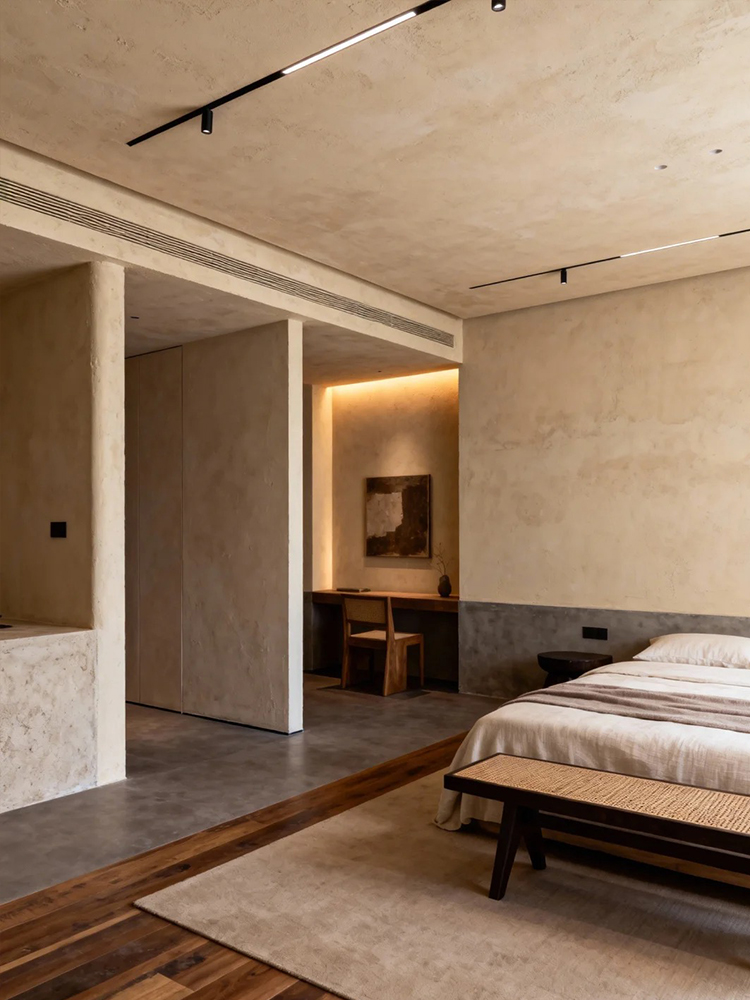
Fill all grout joints with a flexible leveling compound. You are creating a continuous base, not painting over a grid.
Apply a dedicated primer/bonding agent rated for low-porosity substrates like glazed ceramic and porcelain.
Seal any hairline cracks in the tile body with a mesh-tape patch.
Once the base is dry and even, the spray-and-trowel system takes over. A trained crew can complete a 6 m² bathroom – primer, two microcement coats, sealing top coat – in two working days with minimal inter-coat drying.
The Waterproof Layer Is Not Optional
Standard microcement body is not waterproof on its own. In a bathroom environment you need the full system: the cementitious finish plus a PU-based sealing top coat that locks the surface against standing water, steam, and hot-soak conditions. This two-layer configuration holds up to daily use in walk-in showers, tub surrounds, and wet rooms without delamination or edge lifting.
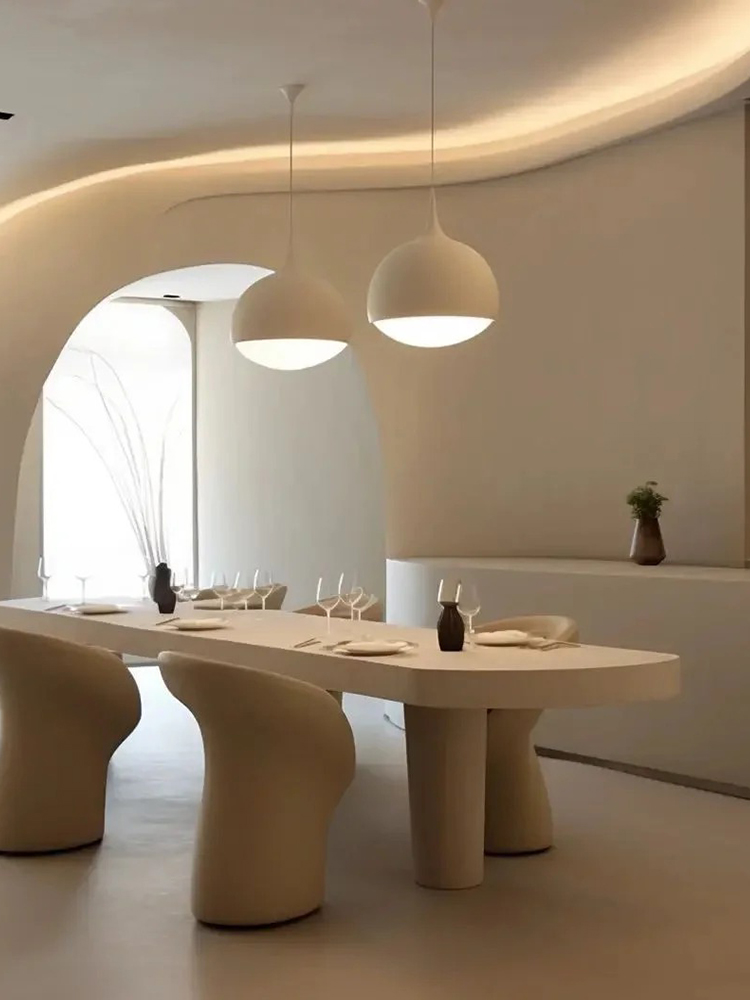
Where Spray Beats Trowel
For bathrooms larger than 8 m² or multi-unit projects, spray application cuts labor hours by roughly 40% compared to hand-troweling every square meter. The trowel finish still delivers the final textured pass for design detail, so a hybrid spray-then-trowel workflow gives you speed at scale and finish quality at the feature zones.
Seamless Microcement vs. Full Re-Tile: The Numbers
The Bottom Line
For renovation-heavy workloads – hospitality retrofits, residential makeovers, commercial wet-area upgrades – microcement for bathroom tiles compresses the critical path by 60–70% while delivering a finish that reads as intentional design rather than a patch job. The biggest saving is not material cost. It is not scheduling a demolition crew, a tiling crew, and a grout crew back-to-back on the same room.
Why Choose Us
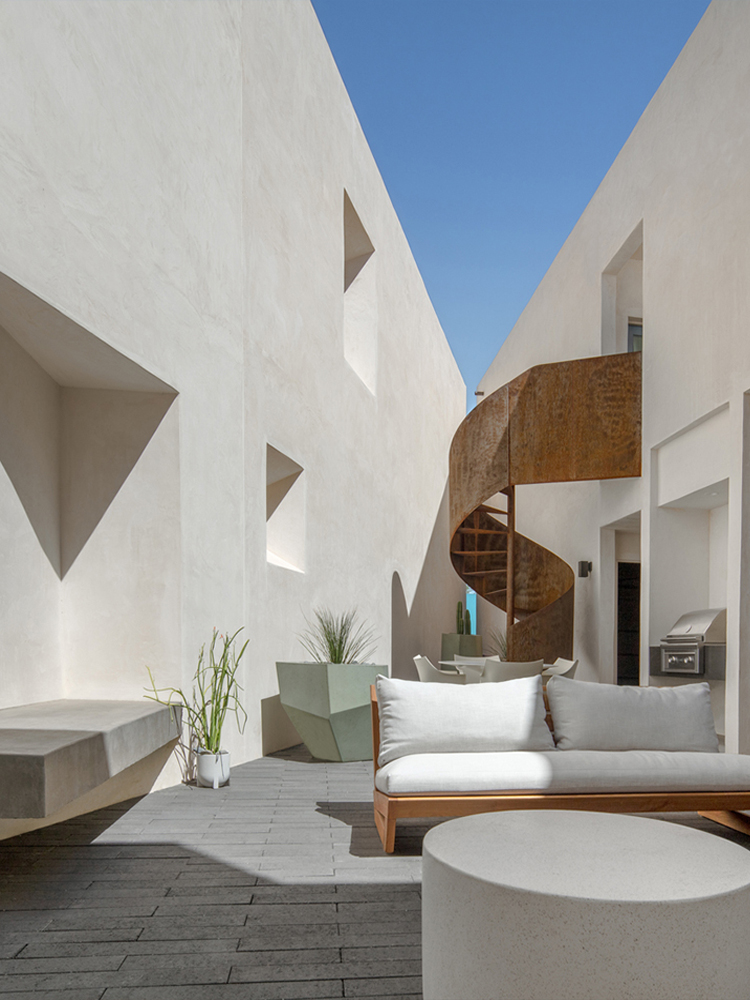
Formulated to bond over tile. THE AIKE's microcement system is engineered for direct application onto glazed ceramic, porcelain, and natural stone – the exact substrate your bathroom project sits on. No removal. No compromise.
True waterproofing, not just water resistance. Our exclusive PU sealing top coat creates a closed, non-porous barrier rated for showers and wet rooms, protecting your client from moisture failure in month six.
One supplier, one bathroom palette. Walls, floors, vanity surrounds, even feature columns from the same coating family – a unified look, a single delivery, one quality standard, one invoice.
Full export and on-site technical support. Complete certifications, trade documentation, and hands-on application guidance from our senior engineering team, so your crew never has to guess.
Contact us today for a free product sample and a customized bathroom coating solution matched to your project specs.
“ Contact AIKE Team ”
__________
在线留言
Name*
E-mail*
Country*
Application Areas*
Tel / WhatsApp
Requirement
Business Supervisor:Mr. Bin Zhu


Social media account


