
Microcement Bathtub: Durable & Waterproof
The No-Tear-Out Bathtub Solution Contractors Are Asking About
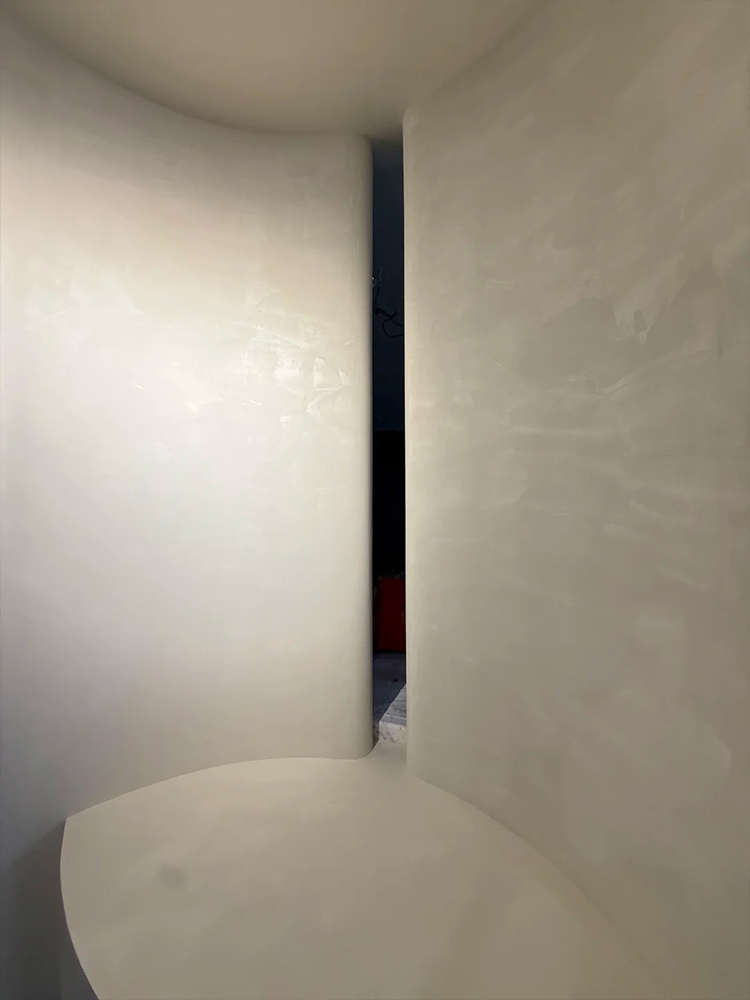
A contractor in Dubai just told me the math that changed his bathroom renovation bids. Tearing out a tiled bathtub, re-plumbing the substrate, and rebuilding the surround costs roughly 40% more than the new finish itself. Multiply that across a 200-unit hotel refurbishment and the numbers get ugly fast. The microcement bathtub sits at the center of this problem: a continuous, joint-free coating that bonds directly over existing tile or cement without full demolition, while still holding up against daily water exposure, steam, and harsh bathroom cleaners.
Why Wet-Area Microcement Is Not a Guess Anymore
Early decorative cement coatings failed in bathrooms for one reason: water migration through the substrate created blistering within 18 months. Two things fixed that. First, the base formulation shifted to a fully water-based, zero-VOC polymer-cement hybrid that stays dimensionally stable above 95% relative humidity. Second, the application protocol now mandates a dedicated waterproofing primer plus a penetrating sealant top coat, forming a closed system rather than relying on the microcement layer alone. The result: a bathtub surround rated for continuous water contact, not just splash zones.
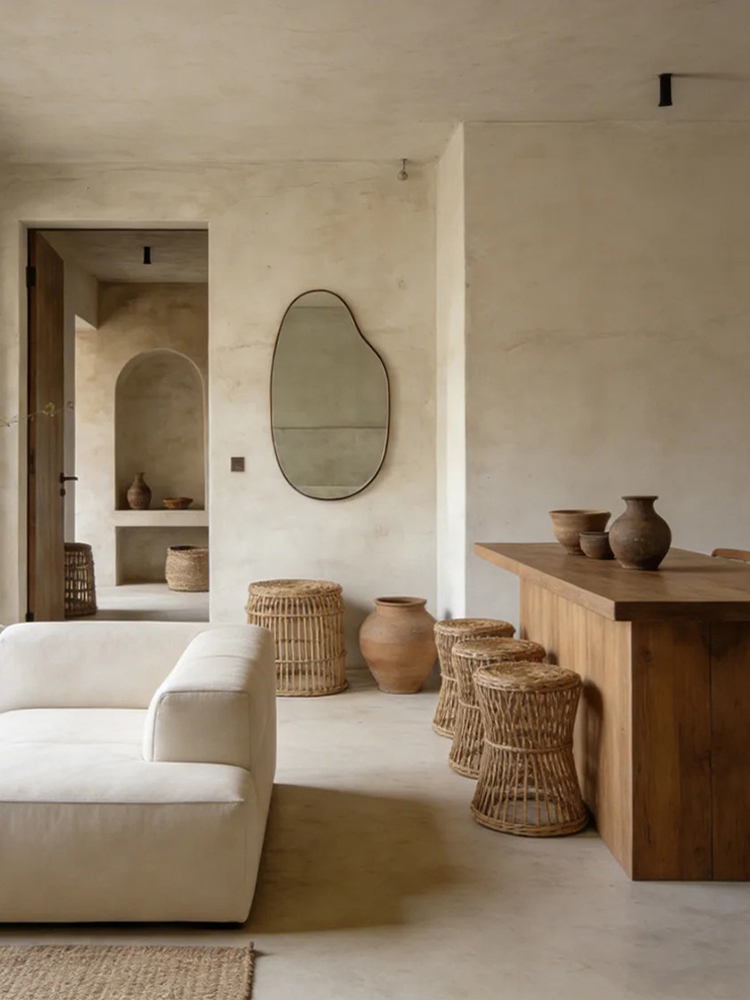
For interior designers specifying microcement over tile bathroom finishes, the design payoff is real. No grout lines means no dark staining around the tub rim. The surface reads as monolithic, which pairs cleanly with the matte concrete aesthetic clients keep requesting in 2025–2026 residential and hospitality projects.
Construction Sequence That Protects Your Margin
The build for a microcement bathtub over an existing tiled surround runs in five passes:
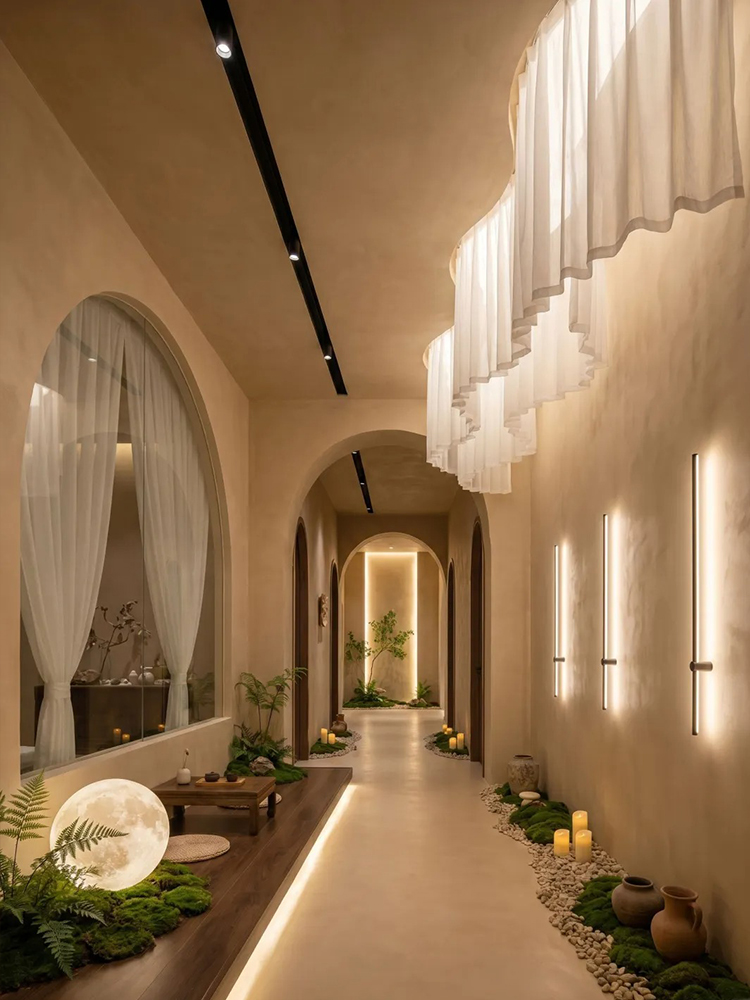
1. Grind tile gloss, spot-prime with adhesion promoter
2. Apply waterproofing membrane (two coats, 24 h cure)
3. Base coat + two microcement layers (2–3 mm total), trowel or spray
4. Cure 48 h, then two coats of penetrating sealant
5. Touch-up edges where the tub meets the wall
A two-person crew finishes a standard 1.7 m tub surround in under three days. No substrate demolition, no re-plumbing, no tile cutting. That timeline compression is the core reason contractors in Southeast Asia and the Middle East are shifting large bathroom packages away from ceramic and toward this system.
One Glance Comparison: Microcement vs. Traditional Bathtub Finishes
What to Check Before You Specify
Three quick filters keep a spec tight:
Confirm the product line is rated for "continuous wet-area" use, not just "splash zone." Ask for the primer-to-sealant system datasheet.
Verify VOC and formaldehyde declarations meet the target market (EU E1, GCC SCAQMO,US EPA 750 c).
Request a 5 m² test panel that has been subjected to 72 h of standing water before approving the full project.
Running those three checks in the procurement stage saves the back-and-forth that usually eats two weeks off a tender schedule.
Why Choose Us
Full-Scene Wet-Area System: THE AIKE's microcement line includes the dedicated waterproofing primer and penetrating sealant top coat as a matched set, so a single project supply covers the entire bathtub build with no third-party compatibility gaps.
Spray + Trowel Dual Application: Our microcement supports both methods. Large hotel bathroom packages benefit from spray speed on flat wall sections, while trowel work handles the 3-D tub rim profiles—keeping your crew flexible without retraining.
Zero-VOC, Water-Based Formula: Every batch is VOC-free and certified for international green-project requirements, which matters when your developer client is targeting LEED, BREEAM, or Estidama compliance.
Export-Ready Documentation & Full Certifications: From 6 continents of delivery experience, we provide complete trade papers, material test reports, and application technical files that clear customs and project QA in one pass.
Contact us today for a free microcement bathtub sample pack and a customized wet-area application plan for your next project. Request a quotation with full technical support now.
“ Contact AIKE Team ”
__________
在线留言
Name*
E-mail*
Country*
Application Areas*
Tel / WhatsApp
Requirement
Business Supervisor:Mr. Bin Zhu


Social media account


