
What Is Microcement? A Complete Guide for Architects, Contractors and Developers
Introduction: Why Microcement Matters in Modern Construction and Design
If you have recently specified materials for a commercial renovation, a high-end residential project, or a hotel refurbishment, you have likely encountered microcement. But what is microcement exactly, and why is it becoming a go-to solution for architects, contractors, and developers worldwide?
Microcement is a water-based, cement-based decorative coating applied in thin layers (typically 2–3 mm) over existing surfaces. Unlike traditional cement or tile finishes, it offers a seamless, joint-free surface with high durability and design flexibility. For overseas coating distributors, engineering contractors, interior designers, real estate developers, and commercial brand owners, understanding microcement is not just about knowing a product—it is about unlocking new project opportunities, reducing costs, and delivering premium finishes that meet modern aesthetic and functional demands.
This guide will answer the core question—what is microcement—by breaking down its composition, application scenarios, advantages over alternatives, and how to select the right supplier for your next project.
What Is Microcement? Composition and Core Characteristics
Microcement is a blend of cement, fine aggregates, water-based resins, and mineral pigments. It is applied as a thin-layer system that cures into a hard, durable, and decorative surface. Key characteristics include:
Ultra-thin application: 2–3 mm thickness, making it ideal for overlays without altering floor levels or door clearances.
Seamless finish: No grout lines, joints, or tiles, creating a continuous visual surface.
High adhesion: Bonds directly to tiles, concrete, gypsum, wood, and metal without demolition.
Waterproof potential: When sealed properly, it can be used in wet areas like bathrooms and kitchens.
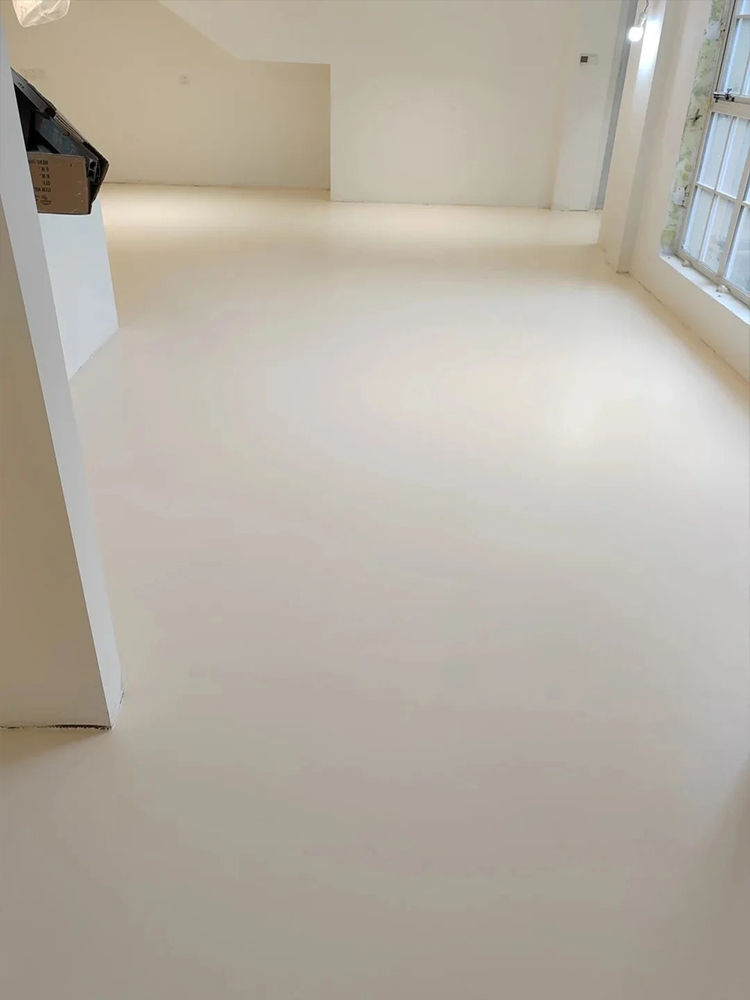
Customizable aesthetics: Available in a wide range of colors and textures, from smooth industrial to rustic stone effects.
For contractors, this means faster renovation cycles and lower labor costs. For designers, it means creative freedom. For developers and distributors, it means a value-adding product that differentiates projects in competitive markets.
Microcement in Real-World Scenarios: Solving Industry Pain Points
1. For Contractors: Renovation Efficiency and Cost Reduction
Renovation projects often involve removing old tiles, cement, or flooring—a messy, time-consuming, and expensive process. Microcement eliminates demolition. It can be applied directly over existing surfaces, reducing project timelines by 30–50% and cutting demolition disposal costs.
Example: A hotel chain renovating 50 bathrooms in Dubai can complete the project 40% faster using microcement overlays compared to traditional tile removal and re-tiling. The 2–3 mm thickness also avoids modifying door frames or plumbing fixtures.
2. For Interior Designers: Seamless Aesthetics and Creative Flexibility
Designers increasingly specify microcement for feature walls, open-plan living spaces, and commercial interiors because of its seamless look. It allows for continuous color and texture across walls, floors, and even countertops, creating a unified design statement.
Scenario: An architect designing a minimalist restaurant in London can use microcement on floors, walls, and bar tops to achieve a monolithic industrial-chic look, impossible with tiles or wallpaper.
3. For Developers and Distributors: High Durability and Long-Term Value
Developers need finishes that withstand high traffic, resist scratches, and require minimal maintenance. Microcement, when properly sealed, offers excellent abrasion resistance and can last 10–15 years in commercial settings. For distributors, stocking microcement systems opens doors to renovation projects, new builds, and commercial contracts that demand premium, low-maintenance finishes.

Microcement vs. Traditional Flooring and Wall Finishes: A Comparison Table
To help you decide when to specify microcement, here is a clear comparison with common alternatives:
How to Choose the Right Microcement System for Your Project
Not all microcement products are the same. When evaluating suppliers, consider these factors:
System completeness: A full microcement system includes primer, base coat, top coat, and sealer. Avoid fragmented solutions that risk compatibility issues.
Waterproofing capability: For bathrooms and kitchens, ensure the microcement has an integrated waterproof membrane or compatible sealer.
Adhesion performance: Test adhesion on common substrates like tiles and gypsum. Poor adhesion leads to delamination.
Durability and scratch resistance: For floors and high-traffic areas, check abrasion resistance ratings (e.g., ASTM D4060).
Ease of application: Spray-applied systems reduce labor dependency and speed up large projects.
Certifications: Look for VOC compliance, fire ratings, and international standards for green building projects.
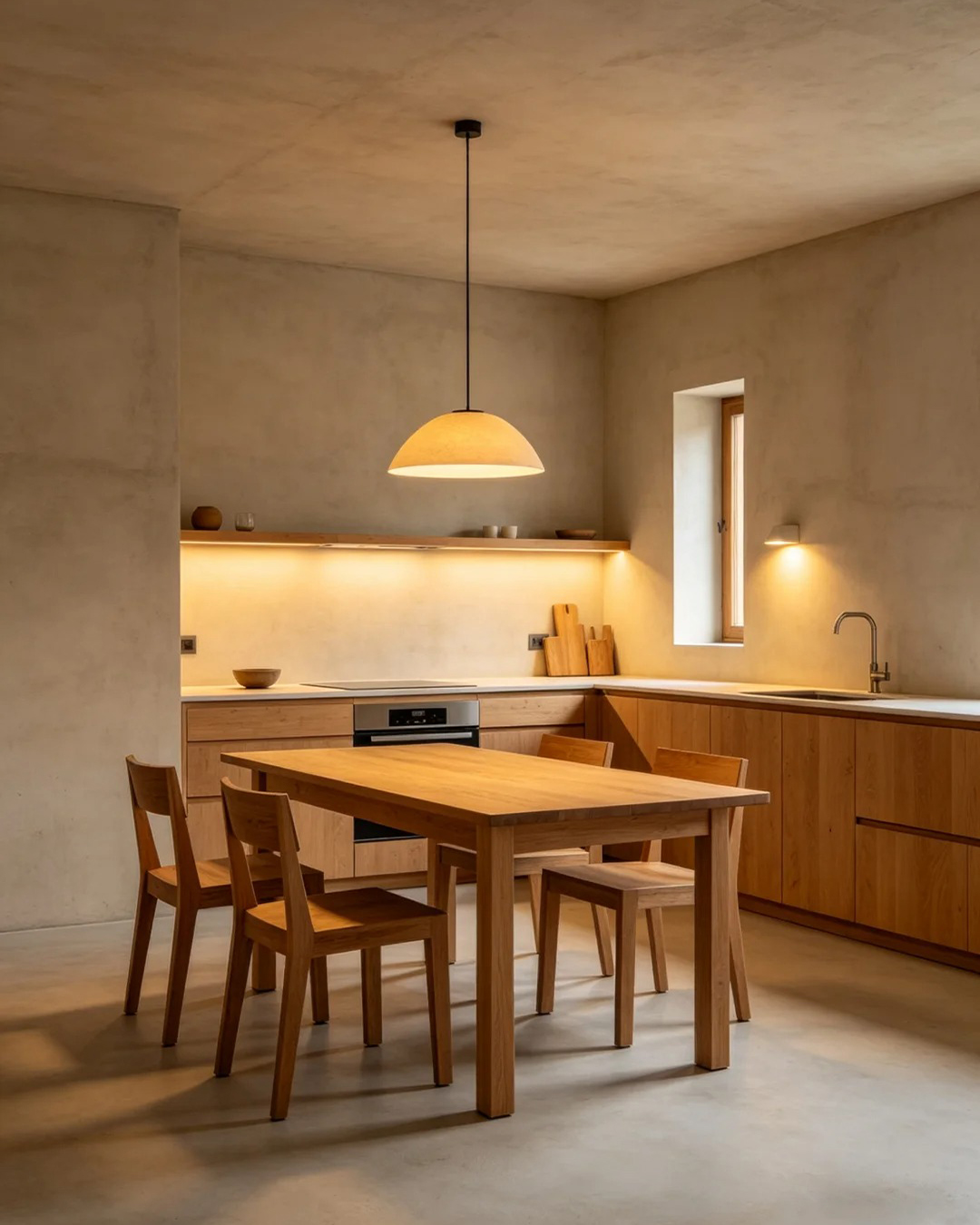
Content Summary: Key Takeaways on Microcement
Microcement is a thin-layer, seamless, durable coating that solves real industry problems: costly demolition, long renovation timelines, limited design options, and high maintenance. It works across walls, floors, bathrooms, kitchens, and commercial spaces. For contractors, it cuts costs and time. For designers, it unlocks creative potential. For developers and distributors, it adds long-term value and market differentiation.
Understanding what is microcement is the first step. Choosing the right supplier is the next.
Why Choose Us
At THE AIKE Paint, we understand that specifying microcement is about more than just material—it is about project efficiency, design integrity, and long-term performance.
Complete Microcement System: We offer a full-scene microcement solution including primers, base coats, sealers, and waterproof top coats, ensuring consistent quality and compatibility across all layers. One supplier, one standard.
Ultra-Thin 2–3 mm Application: Our microcement can be applied directly over existing tiles, cement, and gypsum boards without demolition, cutting renovation time by up to 40% and reducing waste—ideal for hotel chains, commercial brands,and residential upgrades.
Spray + Trowel Dual Application: Our system supports both trowel and spray application, giving contractors flexibility to choose the most efficient method for each project. Spraying reduces skilled labor dependency and speeds up large-area installations.
Global Compliance and Export Support: All our microcement products are water-based, low-VOC, and certified for international markets. We provide full trade documentation and certifications to support seamless global project cooperation.
Ready to specify microcement for your next project? Contact us today for a free product sample and customized coating solution tailored to your site conditions.
“ Contact AIKE Team ”
__________
在线留言
Name*
E-mail*
Country*
Application Areas*
Tel / WhatsApp
Requirement
Business Supervisor:Mr. Bin Zhu


Social media account


