
Green Microcement Suppliers: How to Source Eco-Friendly Coatings for Commercial Projects
The Shift Toward Sustainable Finishes in Modern Construction
The construction and interior design industries are undergoing a significant transformation. Sustainability is no longer just a buzzword; it is a mandatory requirement for commercial projects, high-end residential developments, and green-certified buildings. For developers, contractors, and distributors, the demand for materials that reduce environmental impact without compromising on aesthetics or durability has never been higher. This shift has placed green microcement at the forefront of innovative wall and floor finishing solutions.
Microcement itself has revolutionized interior and exterior design by offering a seamless, monolithic finish that mimics concrete, stone, or plaster while being significantly thinner and lighter. However, traditional cementitious products often carry a heavy carbon footprint due to high energy consumption during production and the presence of volatile organic compounds (VOCs). As global regulations tighten and clients prioritize LEED, BREEAM, or WELL certification, sourcing green microcement becomes a strategic advantage. It allows project stakeholders to achieve high-end, industrial-chic aesthetics while meeting strict environmental standards.
Understanding Green Microcement: Beyond the Label
To truly leverage green microcement, industry professionals must understand what differentiates it from standard products. "Green" in this context refers to a combination of low VOC content, sustainable raw material sourcing, and energy-efficient manufacturing processes. Unlike traditional paints or heavy tile installations, microcement offers a unified surface that eliminates grout lines—a common breeding ground for mold and bacteria—which contributes to healthier indoor environments.
For commercial spaces like hotels, offices, and retail stores, the ability to install green microcement over existing substrates is a game-changer. It reduces demolition waste, a major contributor to landfill overflow, and minimizes construction noise and dust. This makes it ideal for retrofitting projects where business operations must continue uninterrupted. Furthermore, its seamless nature enhances spatial perception, making smaller areas feel larger and more cohesive, a key value proposition for interior designers aiming for minimalist and modern aesthetics.
Key Challenges in Sourcing Eco-Friendly Microcement
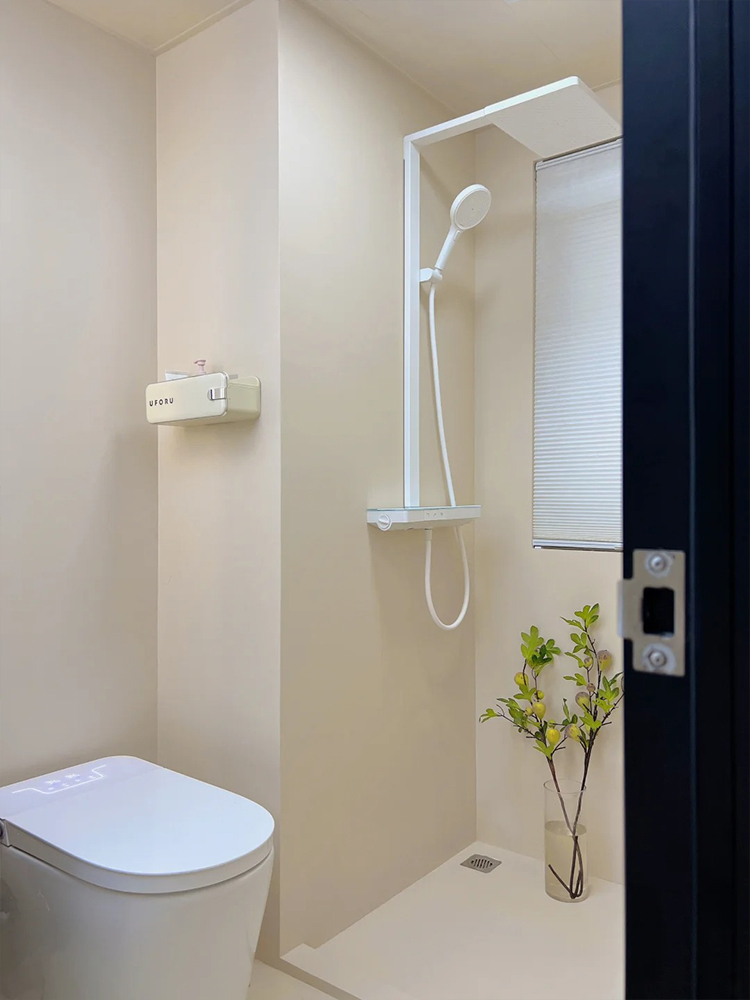
Despite the benefits, sourcing reliable green microcement presents several challenges for buyers. First, verifying the environmental credentials of suppliers can be difficult. Many manufacturers make vague claims about being "eco-friendly" without providing third-party certifications or detailed technical data sheets. Buyers need transparent information regarding VOC emissions, heavy metal content, and the origin of raw materials.
Second, the performance of green formulations must match that of traditional products. There is a misconception that eco-friendly materials may sacrifice durability or water resistance. In reality, advanced water-based technologies have enabled manufacturers to produce green microcement that offers superior adhesion, flexibility, and abrasion resistance. For contractors, this means fewer callbacks and higher client satisfaction. However, selecting the wrong product can lead to cracking or peeling, especially in high-traffic areas or environments with significant temperature fluctuations.
Third, technical support is crucial. Applying microcement requires specialized skills. Unlike painting, which is straightforward, microcement application involves multiple layers: primer, base coat, reinforcement mesh, top coat, and sealer. A lack of proper training or technical guidance can result in subpar finishes. Therefore, working with a supplier that offers comprehensive technical empowerment is essential for successful project delivery.
Comparison: Green Microcement vs. Traditional Alternatives
When evaluating green microcement, it is helpful to compare it with other popular finishing materials commonly used in commercial and residential projects. The following table highlights the key differences in terms of sustainability, installation, and maintenance.
This comparison demonstrates why green microcement is increasingly preferred for projects demanding both aesthetic versatility and environmental responsibility. Its ability to unify spaces while reducing waste and improving indoor air quality makes it a superior choice for modern builders and designers.
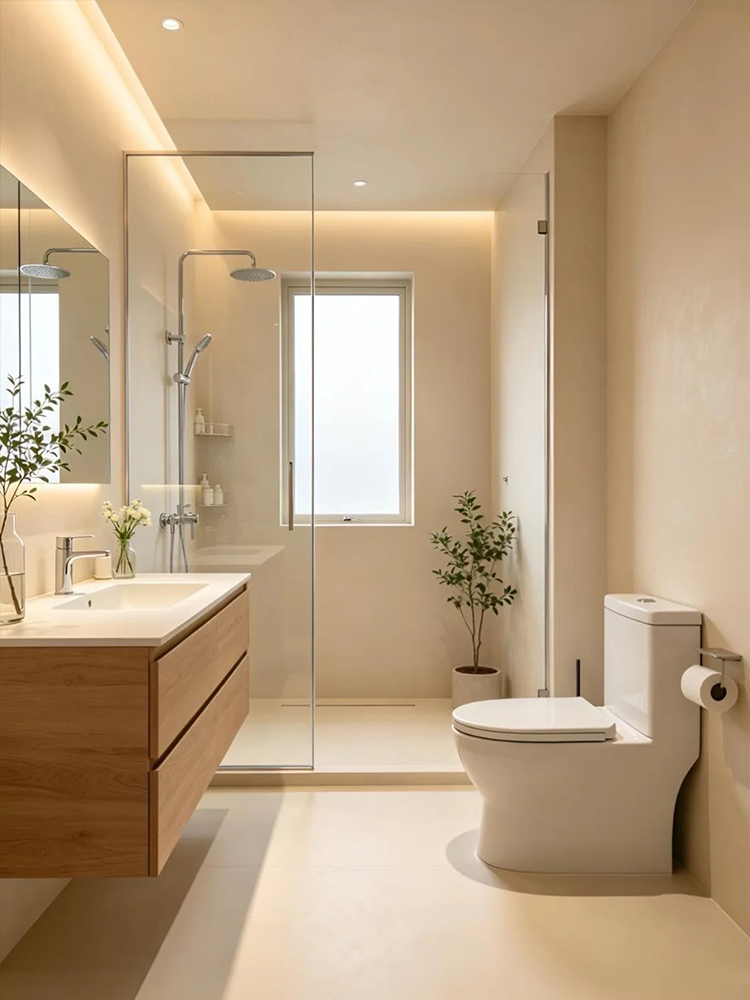
Strategic Selection Criteria for Buyers
For distributors and contractors looking to introduce green microcement into their portfolios, selecting the right partner is critical. Here are three essential criteria to consider:
1. Certification and Transparency: Ensure the supplier provides verified eco-certifications, such as GreenGuard, EU Ecolabel, or local equivalent standards. Request full Technical Data Sheets (TDS) and Environmental Product Declarations (EPD) to verify VOC levels and ingredient safety.
2. Technical Support and Training: A reliable supplier should offer comprehensive training programs for applicators. Look for companies that provide step-by-step guides, video tutorials, and on-site support for complex projects. This reduces the learning curve and ensures consistent quality across different teams.
3. Supply Chain Stability: Given the global nature of construction projects, availability is key. Choose a manufacturer with robust logistics capabilities and sufficient inventory to handle large-scale orders without delays. Consistent quality batches are also vital to avoid color variations between production runs.
Conclusion
The adoption of green microcement represents a forward-thinking approach to construction and design. It addresses the dual demands of sustainability and high-end aesthetics, offering a practical solution for commercial and residential projects alike. By understanding the product's benefits, overcoming sourcing challenges, and partnering with experienced suppliers, industry professionals can deliver exceptional results that meet modern environmental standards. As the market continues to evolve, those who embrace these eco-friendly innovations will gain a competitive edge, attracting clients who value responsibility without compromise.
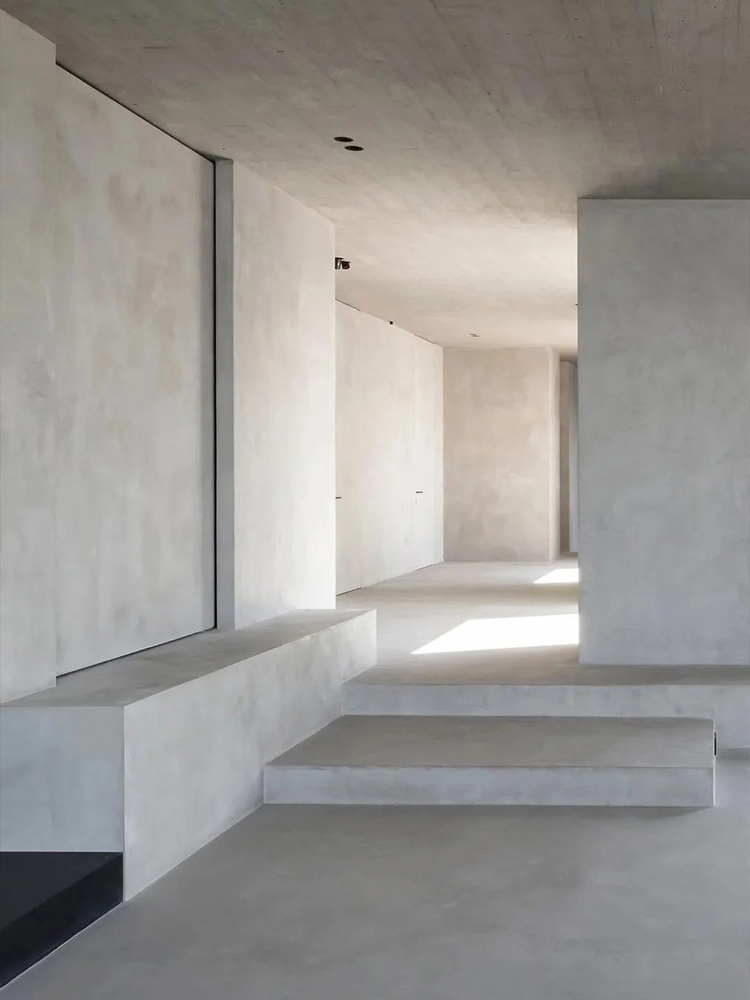
Why Choose Us
At THE AIKE Paint, we specialize in providing high-performance green microcement solutions tailored for global commercial and residential projects. Our commitment to "Reliable Quality, Reasonable Price" ensures that you receive premium eco-friendly products that meet international environmental standards.
Eco-Friendly Formulation: Our microcement products feature water-based, VOC-free formulas that comply with global green building certifications, ensuring safe and healthy indoor environments for end-users.
Seamless Application System: Designed for easy installation over existing substrates, our system reduces demolition waste and construction time, offering significant cost savings for contractors and developers.
Comprehensive Technical Support: With over 20 years of industry expertise, our senior expert team provides full-process technical empowerment, including color matching, construction guidance, and after-sales support, ensuring flawless project execution.
Global Export Capability: We have successfully exported to 6 continents, offering mature export services and complete certification documentation to facilitate smooth international transactions and project approvals.
Contact us today for a free product sample and customized coating solution
“ Contact AIKE Team ”
__________
在线留言
Name*
E-mail*
Country*
Application Areas*
Tel / WhatsApp
Requirement
Business Supervisor:Mr. Bin Zhu


Social media account


