
Microcement Cost Per Square Meter: A Complete Pricing Guide for Contractors and Developers
Understanding the True Cost of Microcement for Commercial and Residential Projects
When sourcing materials for a high-end renovation or a new build, the question "how much is microcement" rarely has a simple answer. Unlike standard latex paints sold by the gallon, microcement is a complex, multi-layered system that requires specialized application. For contractors, interior designers, and real estate developers, understanding the pricing structure is critical for accurate budgeting and maintaining healthy profit margins. The cost fluctuates based on surface area, substrate condition, desired aesthetic effect, and regional labor rates. This guide breaks down the real-world costs associated with microcement, helping you make informed procurement decisions.
Breakdown of Microcement Pricing Factors
To determine "how much is microcement," you must look beyond the raw material price per bucket. The final installed cost is driven by several variable factors:
1. Surface Area and Complexity: Large, open-plan commercial spaces benefit from economies of scale. Conversely, small residential bathrooms with intricate corners, drains, and fixtures require significantly more time and skill, driving up the per-square-meter cost.
2. Substrate Preparation: Microcement requires a perfectly stable base. If existing tiles, concrete, or gypsum boards need repair, leveling, or priming before application, these preparatory steps add to the total cost. Skipping this step leads to cracking,which is far more expensive to fix later.
3. Number of Layers and Finish: A standard microcement application involves a base coat, reinforcement mesh, two texture coats, and a protective sealer. Premium finishes, such as polished terrazzo effects or custom color matching, require additional labor and higher-grade pigments, increasing the price.
4. Labor and Expertise: Because microcement is a wet-applied system, labor constitutes the largest portion of the cost (often 60-70%). Hiring certified technicians who understand the curing process and trowel techniques is non-negotiable for durable results.
Material Costs vs. Installed Costs: A Clear Comparison
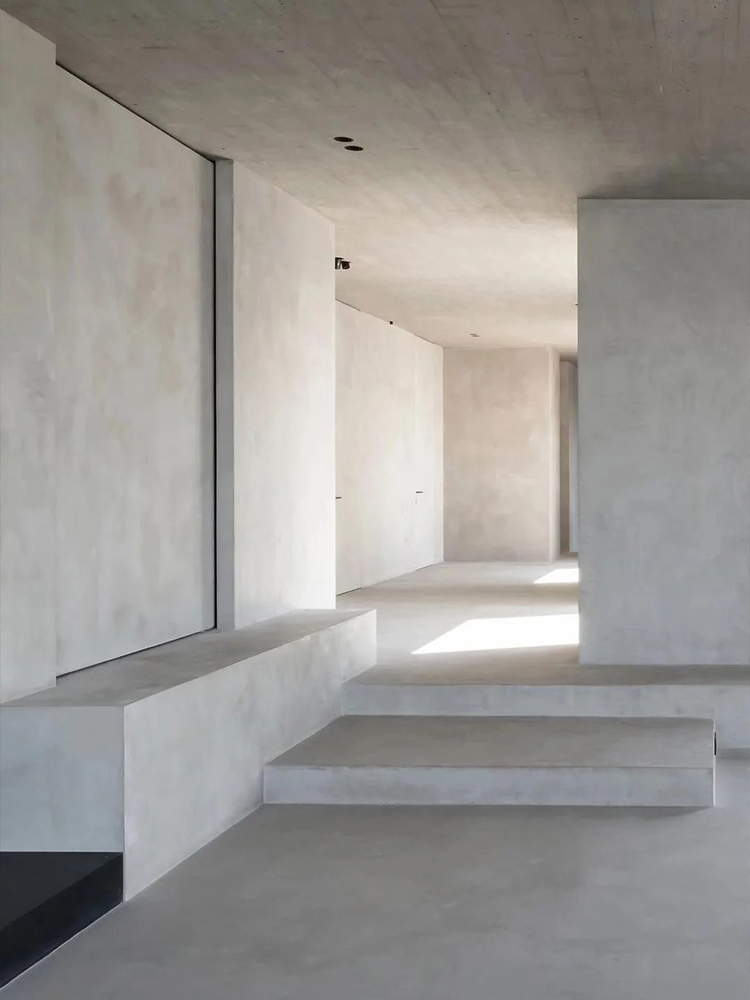
Many buyers confuse the retail price of DIY kits with professional project costs. Professional-grade microcement supplies differ significantly from consumer-grade products in terms of consistency, pigment load, and durability. Below is a comparative analysis to help you evaluate options for your next project.
As shown above, while DIY kits seem cheaper upfront, they lack the scalability and reliability needed for serious projects. Professional supply chains offer better value through efficiency and longevity. For developers and contractors, the focus should be on the installed cost, which includes material, labor, and warranty.
Hidden Costs and Potential Pitfalls in Microcement Procurement
When asking "how much is microcement," clients often overlook indirect costs that can derail a budget:
Site Protection and Cleanup: Microcement application creates dust and requires careful masking of surrounding areas. Proper site preparation adds time but prevents damage to finished floors or furniture.
Curing Time Delays: Unlike paint that dries in hours, microcement requires specific curing times between layers. Rushing this process compromises adhesion. Contractors must factor this into their project timeline to avoid penalty clauses for late delivery.

Maintenance Requirements: While durable, microcement is porous if not sealed correctly. Low-quality sealers may yellow or peel, requiring frequent re-coating. High-performance sealers, like those used in THE AIKE’s system, offer long-term water resistance and ease of cleaning, reducing lifecycle costs.
Optimizing Your Microcement Budget Without Compromising Quality
For interior designers and developers, achieving the seamless, minimalist look of microcement doesn’t mean breaking the bank. Here are strategic ways to manage costs:
1. Unify Interior and Exterior: Using a single product line for both interior walls and exterior facades simplifies logistics and reduces inventory management costs.
2. Apply Over Existing Substrates: One of the biggest advantages of modern microcement is its ability to adhere directly to tiles, concrete, or wood without demolition. This saves thousands in disposal fees and labor, making it ideal for quick commercial turnarounds.
3. Bulk Procurement for Large Projects: For hotel chains or large residential complexes, negotiating bulk rates for full-system supplies (base, texture, sealer) can significantly lower the per-unit cost.
4. Standardize Color Palettes: Custom mixing incurs extra fees. Working with suppliers who offer a wide range of pre-formulated colors allows you to maintain design consistency while keeping production costs predictable.
Conclusion
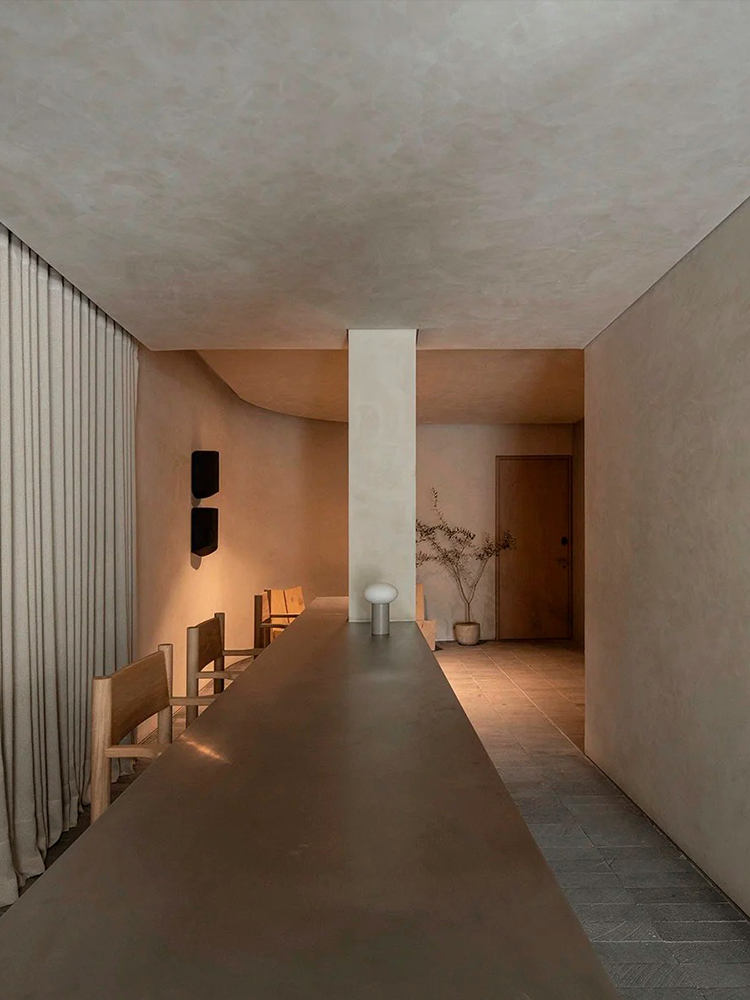
The answer to "how much is microcement" depends entirely on the scope, quality, and execution of the project. While low-cost options exist, they often lead to higher long-term expenses due to repairs and replacements. For professionals seeking reliable, cost-effective solutions, partnering with a manufacturer that offers full technical support and consistent quality is essential. By focusing on installed value rather than just material price, contractors and developers can maximize profitability and client satisfaction.
Why Choose Us
At THE AIKE Paint, we understand that pricing transparency and product reliability are crucial for your bottom line. Our full-scene interior paint system and microcement solutions are designed to meet the rigorous demands of global projects.
Cost-Effective Industrial Pricing: We break the barrier of high quality by offering premium microcement and decorative coatings at reasonable prices, ensuring you secure healthy profit margins for your projects.
Comprehensive Technical Empowerment: Our senior expert team provides full-process technical support, including on-site guidance and training, ensuring efficient application and reducing labor errors.
Global Export & Compliance: With exports to 6 continents, we provide complete certifications and trade documents, simplifying your import process and ensuring compliance with local standards.
Versatile Application Systems: Our microcement offers superior adhesion over existing surfaces, ultra-thin 2-3mm profiles, and waterproof features, perfect for renovations, hotels, and commercial interiors.
Contact us today for a free product sample and customized coating solution.
“ Contact AIKE Team ”
__________
在线留言
Name*
E-mail*
Country*
Application Areas*
Tel / WhatsApp
Requirement
Business Supervisor:Mr. Bin Zhu


Social media account


