
Can Microcement Be Used Outside? Yes—If You Choose the Right System
When a hotel developer in Dubai asks whether microcement can handle an outdoor pool deck, or a contractor in Spain is weighing it for an exterior facade renovation, the answer is rarely a simple yes or no. The reality is more nuanced: microcement can absolutely be used outside, but only when the right product formulation, substrate preparation, and protective topcoat system are in place. Get those three elements wrong, and you will see cracking, fading, and water damage within months. Get them right, and you get a seamless, high-end exterior finish that outperforms many traditional materials.
This guide is written for contractors, architects, and developers who are evaluating microcement for exterior applications—terraces, balconies, facades, pool surrounds, and commercial walkways. We will cover the technical limits, the application conditions that determine success, and a clear comparison between exterior-grade microcement and alternative systems, so you can make a procurement decision with confidence.
01.The Real Question Isn't "Can It Be Used Outside"—It's "Under What Conditions"
Microcement is a cement-based polymer-modified coating applied in thin layers (typically 2–3 mm). Indoors, it has revolutionized wall and floor finishes because it bonds directly to tiles, concrete, and gypsum, eliminating the need for demolition. Outdoors, the same material faces a completely different set of stressors: UV radiation, freeze-thaw cycles, standing water, thermal expansion, and physical abrasion from foot traffic and weather.
The honest technical position is this: standard interior-grade microcement is not suitable for exterior exposure. But exterior-grade microcement—formulated with higher polymer content, UV-stable pigments, and enhanced flexibility—can perform well when installed correctly. The key differentiators are:
Polymer-to-cement ratio: Higher polymer content improves flexibility and adhesion, allowing the film to absorb thermal movement without cracking.
UV-stable pigmentation: Standard pigments fade quickly under direct sun. Exterior-grade products use lightfast pigments that hold color for years.
Water resistance: Exterior formulations include hydrophobic additives that reduce water absorption and resist efflorescence.
Topcoat requirement: An exterior-grade polyurethane or siloxane sealer is non-negotiable. It provides the final barrier against water ingress, UV degradation, and staining.
If you are sourcing microcement for an outdoor project, you must verify these four points with your supplier before committing to a purchase. A supplier that cannot clearly document UV stability and exterior-grade formulation data is not a partner for exterior work.
02.Exterior Microcement: Where It Works and Where It Fails
Understanding the application envelope is critical. Microcement is not a universal exterior solution. Here is a practical breakdown of where exterior-grade microcement excels, and where you should steer clear.
Suitable Exterior Applications
Balconies and terraces: Protected or semi-protected areas with limited direct rainfall and controlled drainage. These are the most common successful exterior microcement installations.
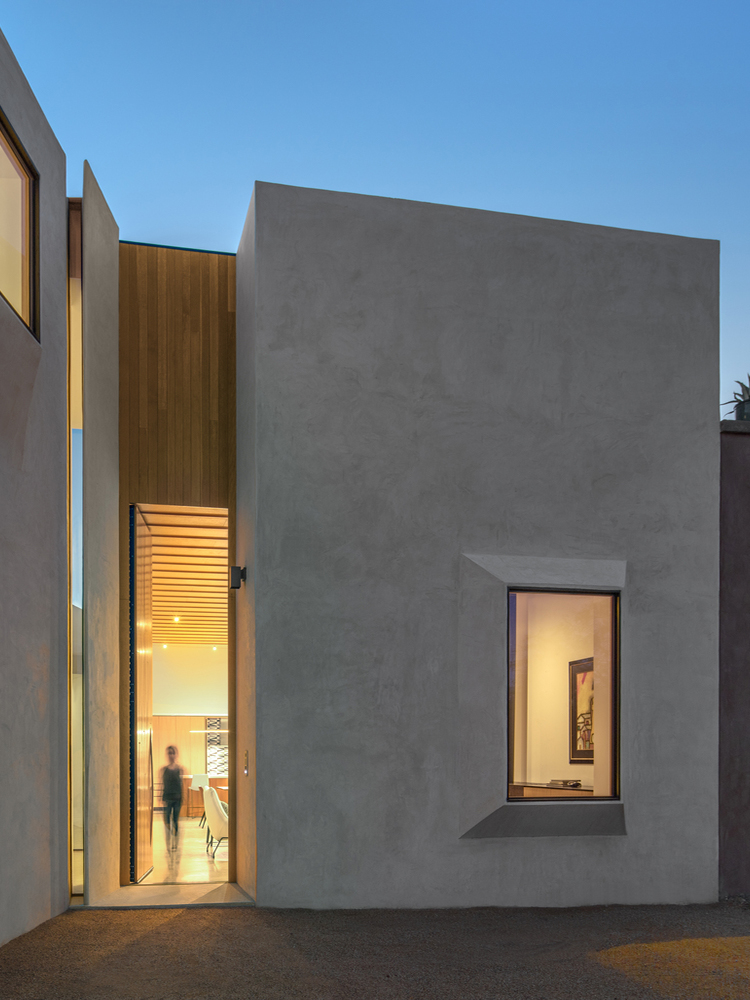
Facade cladding and feature walls: Vertical surfaces that shed water quickly and are not subject to standing water or constant wetting. A hydrophobic topcoat is essential.
Pool surrounds and wet areas: Only with a specialized waterproofing membrane beneath the microcement and a high-performance anti-slip topcoat. This is a system build-up, not a single-product application.
Commercial walkways and entrance areas: Covered or semi-covered zones with moderate foot traffic. Abrasion resistance and slip rating must be verified.
High-Risk Exterior Applications
Unprotected horizontal surfaces in freeze-thaw climates: If water can penetrate and freeze, the microcement will delaminate. This is the most common failure mode.
Areas with constant standing water: Puddles, ponding, or poor drainage will compromise the topcoat and lead to water staining and substrate failure.
Direct ground contact: Microcement applied at grade level without proper waterproofing and drainage is a recipe for capillary moisture rise and long-term failure.
The pattern is clear: microcement works outside when it is protected from prolonged water exposure and thermal shock. It is a finish system, not a waterproofing membrane. Design your project around that principle, and you will get years of service life.
03.Exterior Microcement vs. Alternatives: A Procurement Comparison
To make an informed buying decision, you need to compare microcement against the materials you would otherwise specify for exterior surfaces. The table below outlines the key differences across the dimensions that matter most to contractors and developers.
What this table tells you: Exterior microcement sits in a sweet spot—it delivers a seamless, design-forward finish at a lower installed cost than tile or stone, with faster installation. But it demands a higher level of system engineering than paint or render. If your project values aesthetics and speed, and you can control the waterproofing details, microcement is the stronger choice. If you need maximum durability under heavy traffic or in freeze-thaw zones, porcelain tile may be the safer call.
04.The Exterior Microcement System: A Step-by-Step Technical Breakdown
For contractors who want to execute exterior microcement correctly, here is the system build-up that separates successful installations from failures. This is the process you should specify and the process you should verify your supplier can support.
Step 1: Substrate Assessment and Preparation
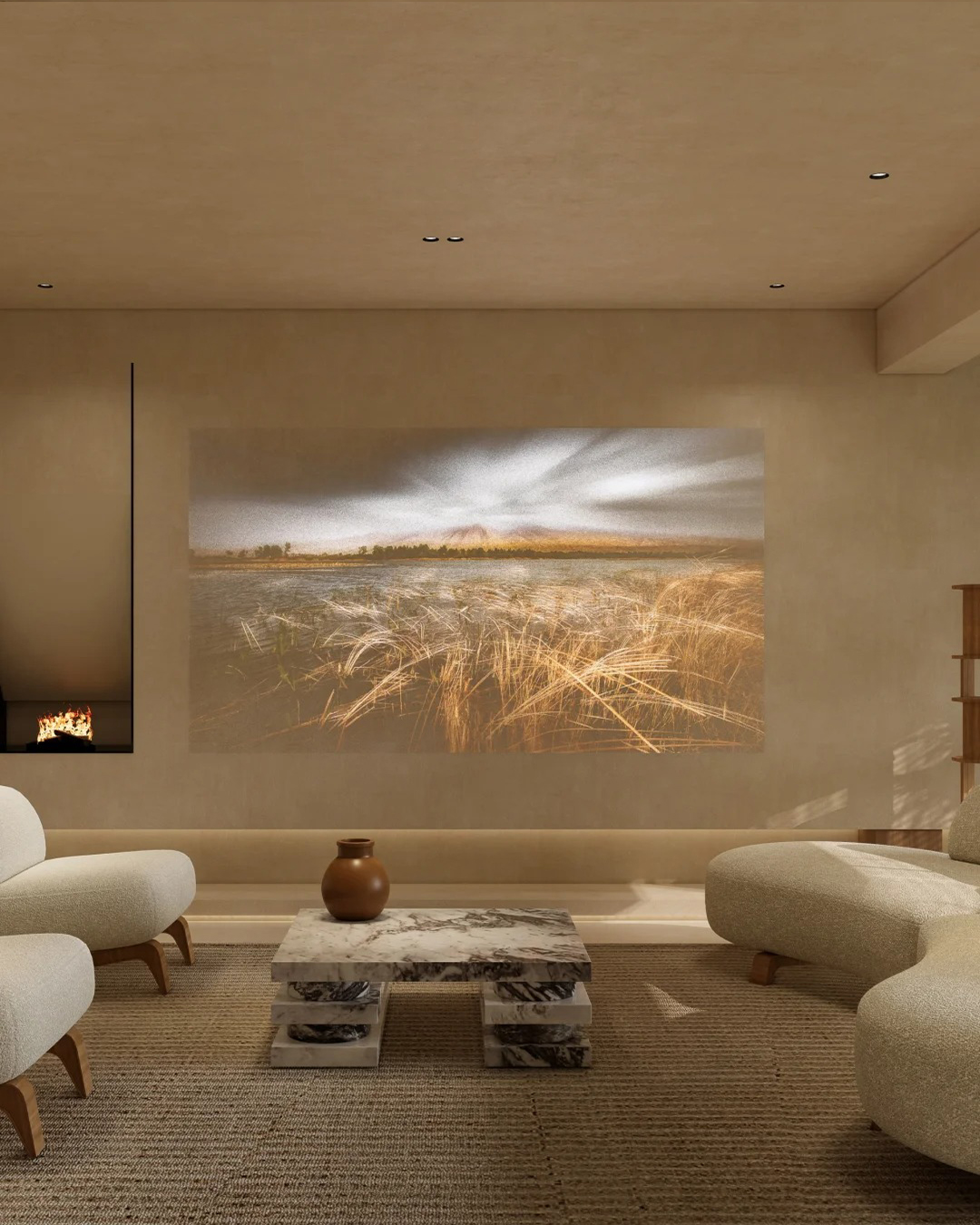
The substrate must be sound, clean, and free of loose material. For exterior work, you also need a positive fall (at least 1.5–2%) for drainage. Concrete, cement board, and existing ceramic tiles are all suitable bases, provided they are structurally stable and free of cracks. Repair any cracks with a flexible filler before proceeding.
Step 2: Waterproofing Membrane
This is the step most often skipped, and it is the step that causes most exterior failures. Apply a cement-based or liquid-applied waterproofing membrane over the entire surface,extending up walls by at least 150 mm. Allow full cure time. This membrane, not the microcement, is your primary water barrier.
Step 3: Primer and Base Coat
Apply a specific exterior-grade primer to improve adhesion between the membrane and the microcement. Then trowel on the base coat (typically a coarser grade of microcement) at 1–2 mm thickness. This layer provides the mechanical bond and levels minor imperfections.
Step 4: Finish Coat
Apply the finish coat at 1–2 mm, using a stainless steel trowel for a smooth or textured finish as specified. Work in consistent passes to avoid trowel marks. For exterior surfaces, a slightly textured finish is recommended to improve slip resistance.
Step 5: Curing and Sealing
Allow the microcement to cure for a minimum of 24–48 hours, depending on humidity and temperature. Then apply two coats of exterior-grade polyurethane or siloxane sealer. The first coat is a penetrating primer-sealer; the second is a surface film that provides UV protection and water repellency. For wet areas like pool surrounds, apply an anti-slip additive to the final coat.
Environmental Conditions
Do not apply microcement when ambient temperature is below 5°C or above 35°C, or when relative humidity exceeds 80%. Direct sunlight on the substrate can cause rapid drying and cracking—schedule work for early morning or shaded conditions.
05.How to Vet a Microcement Supplier for Exterior Projects
Not all microcement suppliers are equipped to support exterior installations. When you are sourcing material for an outdoor project, ask these five questions before you commit:
1. Do you have a documented exterior-grade formulation? The supplier should be able to provide technical data showing polymer content, UV stability testing, and water absorption rates.
2. Can you supply a full system—primer, base coat, finish coat, and exterior topcoat—from one source? Mixing brands across the system build-up is a common cause of adhesion failure.
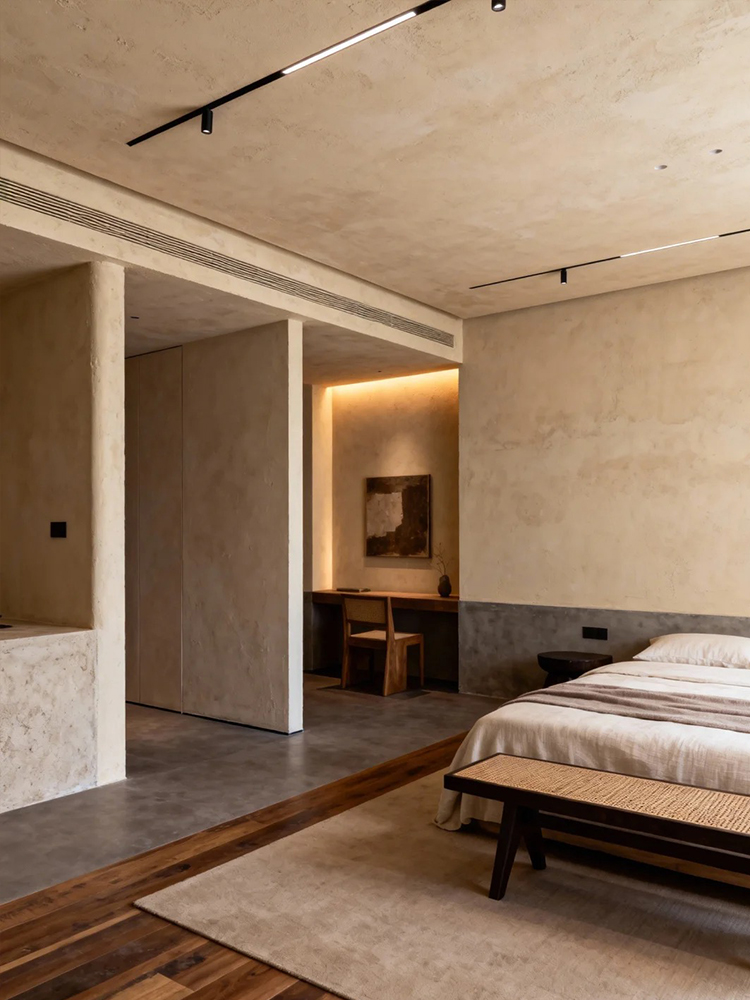
3. Do you provide application training or on-site technical support? Exterior microcement is less forgiving than interior work. A supplier that offers technical guidance reduces your risk significantly.
4. What is your track record with exterior projects in similar climates? Ask for case studies or references from projects in your region or with similar weather conditions.
5. What certifications do your products carry? Look for UV resistance testing (ASTM G154 or equivalent), water resistance (EN 1062 or similar), and slip resistance data for wet areas.
A supplier that cannot answer these questions clearly is not a partner for exterior work. The material cost savings are not worth the liability of a failed installation.
06.Summary: The Verdict on Exterior Microcement
Can microcement be used outside? Yes, when you use an exterior-grade formulation, follow a full system build-up with a waterproofing membrane, and apply a UV-stable protective topcoat. It is not a product you can simply take from an interior project and apply to a facade. But when specified correctly, it delivers a seamless, modern finish that is faster to install and more cost-effective than tile or stone, with a distinctive aesthetic that is hard to achieve with any other material.
For contractors and developers, the practical takeaway is this: treat exterior microcement as a system, not a single product. Budget for the waterproofing membrane and the exterior topcoat. Verify your supplier's technical data. And if you are unsure about the climate or substrate conditions, ask for a site assessment before you commit.
07.Why Choose Us
THE AIKE Paint is a manufacturer with 20+ years of coatings industry expertise and a full-category product system that includes exterior-capable microcement solutions. For projects where "can microcement be used outside" is the question, we provide the answers that matter:
Full-System Supply for Exterior Build-Ups: We supply the complete exterior microcement system—primer, base coat, finish coat, and UV-stable exterior topcoat—from a single source, ensuring material compatibility and consistent quality across every layer of your project.
Eco-Friendly, Globally Compliant Formulations: Our water-based, low-VOC products meet international green building standards, making them suitable for high-end exterior projects in Europe, the Middle East, and North America where environmental compliance is a tender requirement.
Senior Technical Support for Exterior Applications: Our expert team provides full-process guidance—from substrate assessment and waterproofing specifications to application training and on-site troubleshooting—so your exterior microcement installation performs as designed, even in demanding climates.
Cost-Effective Positioning Without Compromising Quality: We deliver high-performance exterior-grade microcement at reasonable prices, protecting your project margins while ensuring the long-term durability that exterior installations demand.
Request a free project quotation and full technical support now—tell us about your exterior application, and we will provide a system recommendation, technical data, and a sample kit for your team to test.
“ Contact AIKE Team ”
__________
在线留言
Name*
E-mail*
Country*
Application Areas*
Tel / WhatsApp
Requirement
Business Supervisor:Mr. Bin Zhu


Social media account


