
Microcement vs Tiles: What Contractors Need to Know for 2026
Is Microcement Worth Your Time This Season?
If you have been on job sites this year, you have probably heard the question: should we specify microcement or stick with tiles? It is not a trivial call. A wrong choice means rework, client complaints, and thin margins. The good news is that microcement has matured enough to compete head-on with traditional finishes, especially in bathroom renovations, kitchen upgrades, and commercial fit-outs across Europe, the Middle East, and Southeast Asia.
What follows is a practical comparison you can take into a bid meeting or a site walk-through. It covers cost, installation time, durability, waterproofing, and design flexibility. The goal is simple: help you decide where microcement wins and where tiles still make more sense.
Where Microcement Truly Shines
Microcement is a cement-based coating applied at 2 to 3 millimeters. That thin profile changes the economics of a project. You do not need to demolish existing tiles, which cuts waste disposal fees and keeps the schedule tight. On a medium bathroom remodel in the UK or Germany, removing ceramic tiles and preparing a new substrate can eat half the budget and several days of labor. With microcement, the substrate is prepared, primed, reinforced, and troweled directly over sound tile.
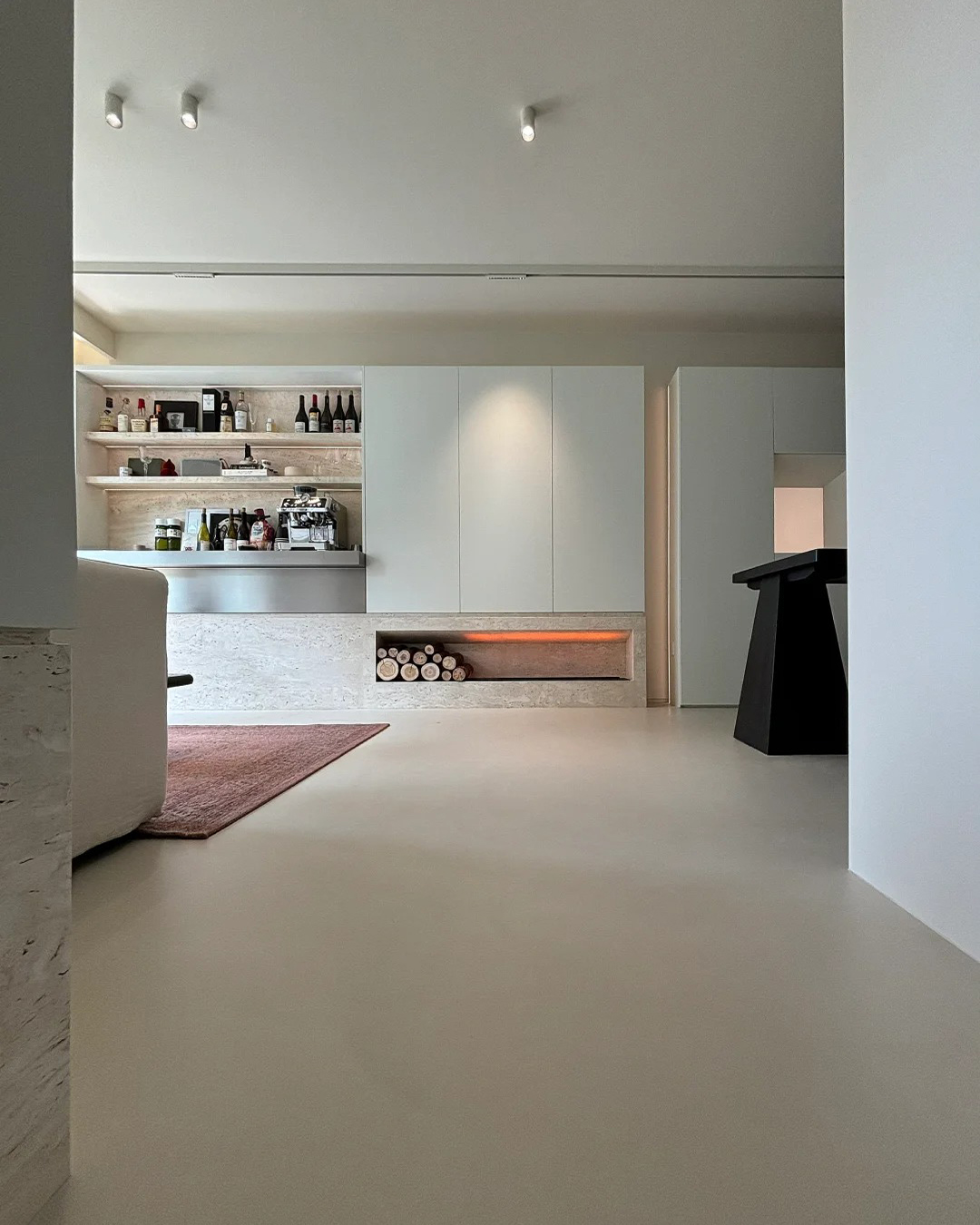
In continuous applications, microcement delivers a joint-free finish. For commercial interiors such as boutique hotels, restaurants, or retail spaces, that seamless look reduces grout maintenance and gives a premium appearance clients are willing to pay for. It also performs well on floors when the right system is selected, handling foot traffic in lobbies and showroom floors without the cracking patterns common in large-format tile installations.
Another advantage is shape adaptation. Curved walls, columns, and wetroom zones are straightforward with microcement because it conforms to complex geometries. Tile layouts around those same elements generate numerous cuts, waterproofing penetrations, and coordination headaches. If your project includes a spa bath area, a curved shower niche, or a feature wall with integrations, microcement often simplifies the build.
Where Traditional Tiles Still Hold an Edge
Tiles are not obsolete. They remain the safer default in heavy-abuse environments where impact resistance and deep scratch resistance matter more than aesthetics. A warehouse canteen floor, a busy supermarket aisle, or an industrial workshop benefits from porcelain's hardness. Microcement, while tough for a decorative coating, will scuff under dragged metal carts or abrasive cleaning grit over time.
Size consistency is another factor. Large-format porcelain slabs deliver a uniform surface out of the box. Microcement is a hand-finished material. Subtle texture variation is part of its character, but projects demanding photographic precision in color match may find tiles more predictable. If a specification requires exact batch-to-batch color consistency across hundreds of square meters, tile lots and careful sourcing can hit that target more easily than field-applied coatings.
Installation speed also varies by crew skill. A skilled microcement applicator can produce excellent results quickly, but the trade is dependency on experienced hands. Tile installation has a wider labor pool and more standardized training pathways. In markets where qualified microcement technicians are scarce, the risk of uneven finish increases.
Cost and Schedule at a Glance
Labor is the dominant variable. Removing existing tiles and rebuilding substrates adds material, disposal, and time. Applying microcement over a prepared substrate eliminates demolition and speeds the finish phase. For renovation projects in tight urban sites with limited waste access, that schedule compression can be decisive.
Material pricing has shifted across regions. Premium microcement systems carry a higher per-square-meter cost than budget ceramic tile, but the installed cost advantage often appears once you factor in labor savings and the elimination of demolition. For ground-up commercial builds using polished concrete as the reference, microcement can undercut the cost of a full polished slab while offering more color and texture options.
Lead time matters for contractors managing multiple projects. Microcement kits ship compactly compared with heavy tile pallets, reducing freight damage risk and simplifying site storage. This is especially relevant for overseas procurement, where container utilization and customs documentation need to align with project timelines.
Waterproofing and Long-Term Performance
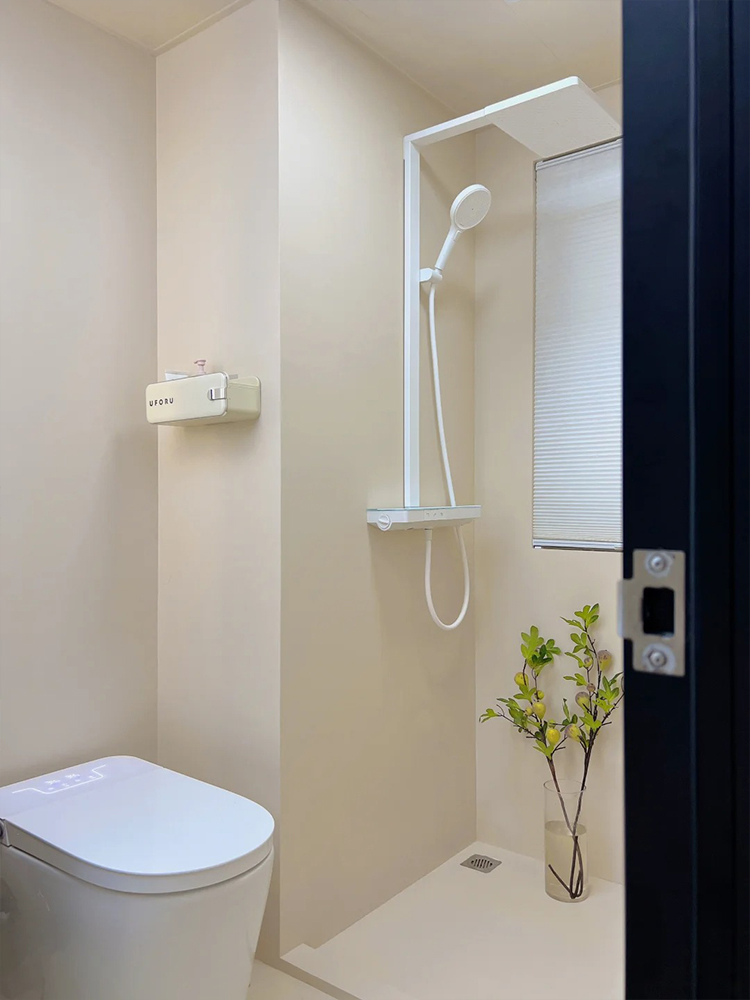
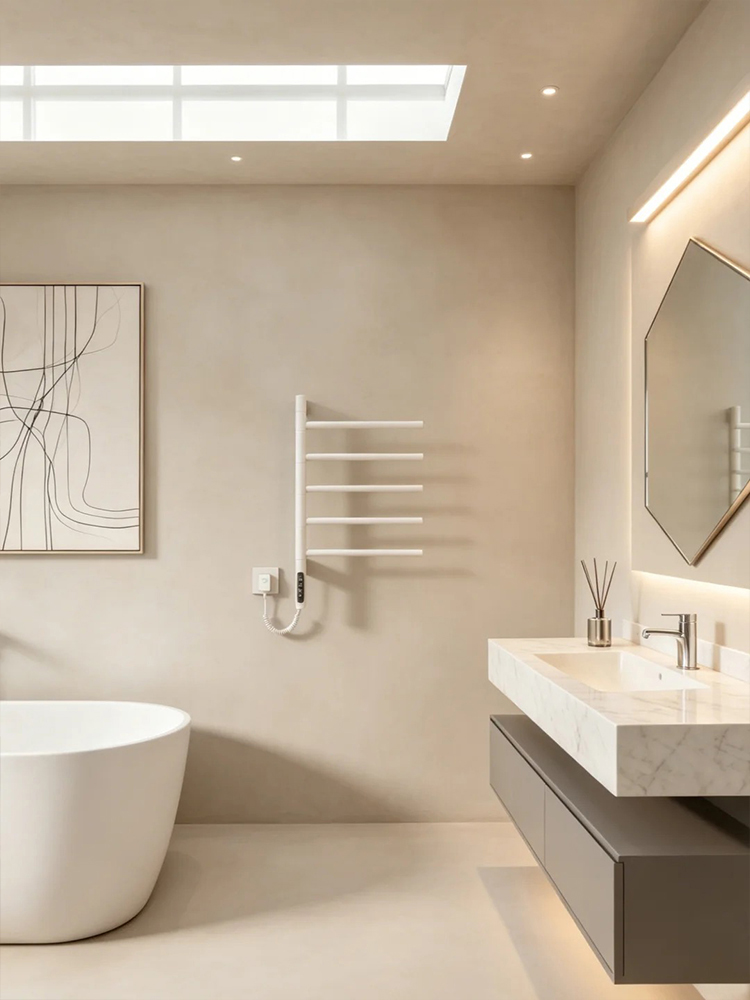
Wet rooms and high-humidity zones are where microcement proves its value. A continuous membrane-free finish avoids the failure points caused by tile joints and sealant degradation. When paired with a quality sealing top coat, the system forms a water-resistant barrier suitable for showers, bathrooms, and kitchen splashbacks.
Durability depends on traffic and maintenance. Foot traffic in residential bathrooms rarely exceeds what a microcement floor system is rated for. Commercial corridors with rolling loads benefit from harder-wearing formulations and regular recoating schedules. The right product selection makes the difference between a five-year refresh and a decade-long service life.
Stain resistance is achievable with proper sealing. Kitchen countertops, island tops, and sink surrounds see spills that demand quick cleanup. A well-sealed microcement surface resists common household stains when maintained according to the manufacturer's guidance. Grout lines on tile, by contrast, absorb moisture and discoloration over time, creating a maintenance burden that never fully goes away.
Decision Matrix for Real Projects
Practical Tips for Contractors and Developers
Substrate preparation is non-negotiable. Cracks, movement joints, and uneven flats transmit through a 2-to-3-millimeter coating. Use appropriate primers and reinforcing meshes where required. Skipping prep to save time is the fastest route to callbacks.
Specify the correct system for the application. Floor-grade microcement carries higher flexural strength and abrasion resistance than wall-grade products. Using a wall system on a floor saves money upfront and costs more in repairs later.
Build coordination into the schedule. Microcement applications run in layers: primer, base coat, reinforcement, finish coats, and sealer. Each layer needs cure time. Overlapping trades too aggressively introduces moisture entrapment and adhesion issues.
Order conservatively. Field conditions sometimes reveal substrate irregularities that increase material consumption. A 5 to 10 percent contingency on coverage is standard practice and prevents mid-job delays.
Conclusion: Choose the Right Tool for the Job
Microcement is not a universal replacement for tile, nor is it a luxury gimmick. It is a high-performance finishing system that excels in renovation contexts, wet-room applications, and design-forward interiors where continuity and formability matter. Tiles retain their position in heavy-duty flooring and projects requiring maximum impact resistance with minimal maintenance.
The deciding factors are substrate condition, traffic expectations, design intent, and local labor availability. When those align, microcement delivers faster installation, fewer failure points, and a premium finish that clients recognize. When they do not, a well-chosen tile system remains the reliable choice.
Why Choose Us
Microcement projects succeed when the product, the system, and the technical support all work together. Here is what we bring to your next specification or tender:
Full-scale microcement product lines for walls, floors, and wet areas, including formulas that meet global VOC standards and green-building requirements.
A spray-and-trowel application system that accelerates large-area coverage, reduces reliance on highly specialized labor, and supports consistent results across contractor teams.
Eco-friendly water-based coatings with low odor, enabling occupied-building renovations and faster project turnover without compromising indoor air quality.
Complete export documentation and certification support, streamlined logistics, and competitive pricing that protects distributor margins and developer budgets.
Our team provides color consultation, sample kits, and on-site technical guidance to help you nail the finish the first time. Whether you are fitting a boutique hotel in Dubai,renovating apartments in Lisbon, or specifying commercial interiors in Singapore, we supply the materials and expertise to keep your schedule and quality standards on track.
Request a free project quotation and full technical support now.
“ Contact AIKE Team ”
__________
在线留言
Name*
E-mail*
Country*
Application Areas*
Tel / WhatsApp
Requirement
Business Supervisor:Mr. Bin Zhu


Social media account


