
Microcement Wall Paint: The Contractor's Guide to Seamless Finish Selection
Choosing the right microcement wall paint is not just about aesthetics—it directly impacts project timelines, labor costs, and client satisfaction. For contractors, designers, and distributors working across residential and commercial projects, understanding how microcement paint performs in real-world applications is critical. This guide breaks down what matters most when selecting microcement wall paint, with a focus on practical decision-making rather than marketing claims.
What Makes Microcement Wall Paint Different From Traditional Coatings
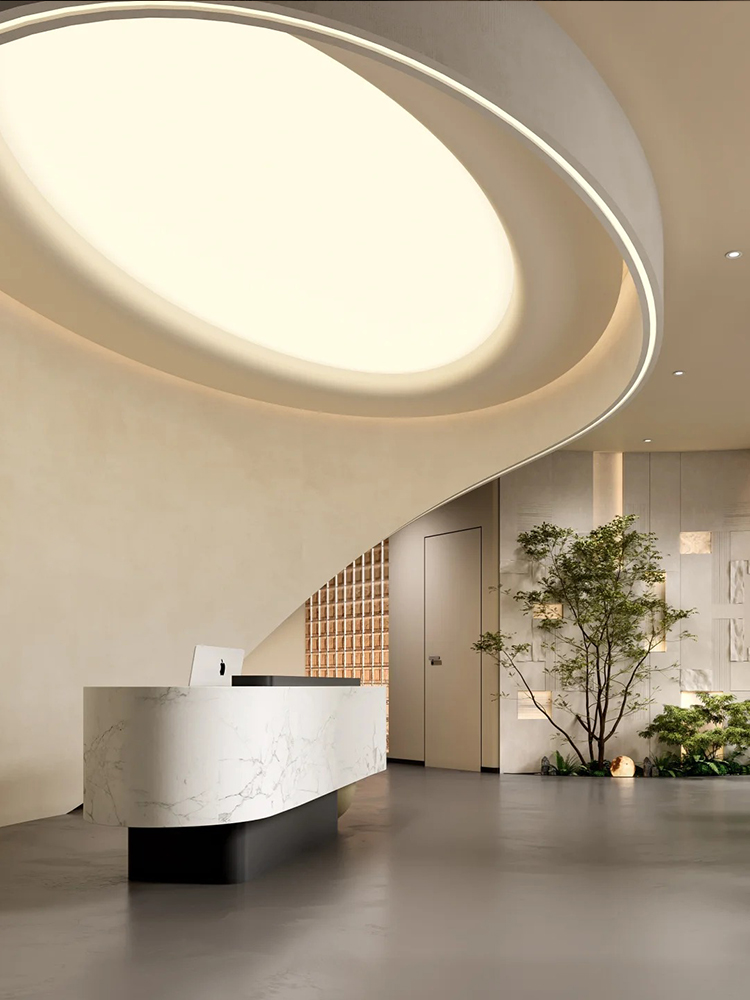
Microcement wall paint is not a standard decorative paint. It is a cementitious coating system that creates a seamless, monolithic finish mimicking the look of polished concrete or natural stone without the thickness or weight of traditional microcement. Unlike conventional paints that sit on the surface, microcement paint bonds chemically to substrates, creating a durable finish that can withstand heavy foot traffic, moisture, and daily wear.
The key difference lies in application thickness. Traditional wall paints range from 0.1 to 0.2 millimeters per coat. Microcement wall paint systems typically require 2 to 3 millimeters total thickness, built through multiple layers of primer, base coat, and protective sealer. This thickness is what delivers scratch resistance and waterproofing—critical factors for bathrooms, kitchens, and high-traffic commercial spaces.
How Contractors Evaluate Microcement Wall Paint for Project Success
When contractors assess microcement wall paint for an upcoming project, three factors dominate the decision: adhesion performance, application flexibility, and cost-per-square-meter efficiency.
Adhesion performance determines whether the coating will survive on existing substrates without extensive surface preparation. Good microcement wall paint should bond directly to tiles, cement boards, gypsum, and even existing painted surfaces. This eliminates demolition costs and shortens project duration—a major advantage for renovation projects where clients want transformation without structural work.
Application flexibility refers to whether the product supports both trowel and spray methods. Spray application dramatically increases productivity on large commercial projects such as hotel corridors, retail stores, and exhibition halls. For contractors managing tight timelines, the ability to switch between spray and trowel depending on the zone is a significant operational advantage.
Cost-per-square-meter efficiency goes beyond material price. It includes labor time, surface preparation requirements, drying intervals, and the number of coats needed. A microcement wall paint that requires three coats and 48 hours of drying between layers will cost more in labor than a product achieving full coverage in two coats with 24-hour drying time—even if the material price is slightly higher.
Comparing Microcement Wall Paint With Alternative Finishes

Contractors frequently face decisions between microcement wall paint and other finish options. The following comparison addresses real project scenarios rather than theoretical performance.
This comparison reveals why microcement wall paint has gained traction in renovation projects and commercial fit-outs. The seamless finish eliminates grout maintenance—a persistent pain point for hotel operators and facility managers. The ability to apply over existing tiles removes demolition waste and associated disposal costs, which can account for 30 to 40 percent of traditional renovation budgets.
Key Selection Criteria for Distributors and Dealers
Distributors stocking microcement wall paint must evaluate products based on market demand, certification compliance, and technical support requirements. The following criteria help determine whether a product line is viable for long-term channel partnership.
Market demand varies significantly by region. European markets prioritize eco-friendly, low-VOC formulations compliant with EU Ecolabel and REACH standards. Middle Eastern projects emphasize heat resistance and durability in high-humidity environments such as pools and spas. Southeast Asian markets focus on cost-effective solutions for fast-paced commercial developments. A distributor should select products that align with the dominant project types in their territory.
Certification compliance is non-negotiable for B2B sales.工程项目需要完整的检测报告、VOC排放数据、防火等级认证和环保标准符合性证明。缺少这些文档 often results in rejection during contractor procurement processes, regardless of product performance.
Technical support capability distinguishes successful distributors from commodity resellers. Microcement wall paint requires proper surface preparation, correct mixing ratios, and precise application techniques. Distributors who provide technical training, site supervision, and after-sales problem resolution build stronger contractor relationships and higher repeat order rates.
Application Process and Common Mistakes to Avoid
Understanding the application process helps contractors set realistic expectations and avoid costly rework. The standard application sequence involves surface preparation, primer application, base coat application, texture creation, and protective sealing.
Surface preparation is the most commonly rushed step. Dust, oil, and loose particles prevent proper adhesion,leading to delamination within months. Contractors should verify substrate stability, repair cracks with appropriate fillers, and ensure surfaces are clean and dry before proceeding.
Mixing ratios must follow manufacturer specifications precisely. Adding water to thin the product without adjusting other components compromises film formation and reduces durability. Inconsistent mixing leads to color variation and uneven texture across the application area.
Application thickness directly affects performance outcomes. Applying too thin results in poor scratch resistance and premature wear. Applying too thick causes cracking during curing and extends drying time unnecessarily. Following the recommended coat thickness ensures optimal performance and cost efficiency.
Protective sealing is often skipped by contractors aiming to complete projects faster. Skipping or delaying the sealer application leaves the microcement finish vulnerable to staining, moisture penetration, and abrasion damage. For wet areas such as bathrooms and kitchens, sealer application is not optional—it is essential for long-term performance.
Why Microcement Wall Paint Fits Specific Project Scenarios
Microcement wall paint delivers distinct advantages in certain project types, making it a strategic product choice for targeted market positioning.
Renovation and retrofit projects benefit most from the ability to apply directly over existing substrates. Hotels upgrading guest bathrooms, restaurants renovating dining areas, and residential owners modernizing kitchens all seek solutions that minimize disruption and construction waste. Microcement wall paint meets these requirements without tile removal or extensive surface demolition.
Commercial interior projects value the seamless finish for aesthetic consistency and maintenance reduction. Retail stores, showrooms, and office interiors benefit from the modern, industrial appearance that microcement provides. The absence of grout lines eliminates dirt accumulation points, reducing cleaning frequency and labor costs for facility management teams.
High-humidity environments require waterproof performance that microcement wall paint delivers when properly sealed. Bathroom walls, kitchen splashbacks, and pool surrounds present challenges for traditional paints that fail under constant moisture exposure. Microcement systems create a continuous waterproof barrier that protects substrates and maintains appearance over time.
Brand Integration: Why THE AIKE Paint Delivers on Microcement Wall Paint Requirements
THE AIKE Paint operates as a microcement wall paint manufacturer focused on the specific needs of contractors, distributors, and design professionals. The company’s approach centers on product consistency, technical reliability, and supply chain stability—factors that matter most in project execution rather than one-time purchases.

The product portfolio covers multiple microcement wall paint variants, each engineered for different application scenarios. Exterior-rated formulations address UV exposure and weather durability requirements. Interior-focused systems prioritize color consistency and finish smoothness for design-critical projects. Floor-compatible versions support vertical and horizontal applications within the same product family, simplifying specification for projects requiring coordinated wall and floor finishes.
Technical documentation is provided in formats compatible with international procurement processes. Safety data sheets, product test reports, and application guidelines are available in English and other key languages used by contractors operating across multiple markets. This documentation supports compliance requirements and facilitates smoother project approvals.
Shipping and logistics are managed through established export channels covering major trade routes. Containers are packed to prevent damage during transit, with protective packaging designed for both sea freight and land transportation. Lead times are communicated transparently to support project scheduling and inventory planning by distributors.
Why Choose Us
Selecting the right microcement wall paint supplier requires evaluating product performance, certification readiness, technical support availability, and supply chain reliability. THE AIKE Paint addresses each of these requirements through structured operations designed for B2B project delivery rather than retail transactions.
Full-Category Product System Covering Interior and Exterior Applications: THE AIKE offers a complete microcement wall paint lineup including primer, base coat, texture agent, and protective sealer—everything needed for professional installation without sourcing components from multiple suppliers. All products are formulated for consistent performance across batches, ensuring contractors receive the same results on their second order as on their first.
Certification-Ready Documentation for Global Compliance: Every product comes with complete test reports covering VOC content, adhesion strength, abrasion resistance, and water permeability. EU REACH compliance documentation and fire rating certificates are available for projects requiring regulatory verification during contractor procurement or developer quality audits.
Spray and Trowel Application Support for Maximum Construction Efficiency: THE AIKE microcement wall paint systems are engineered to perform reliably with both spray equipment and manual trowel application. This flexibility allows contractors to select the most efficient method for each project zone, reducing labor costs on large-scale commercial work while maintaining finish quality on detailed residential applications.
Technical Training and On-Site Guidance for First-Time Installers: Many contractors encounter microcement wall paint for the first time on a specific project. THE AIKE provides application training materials covering surface preparation, mixing procedures, coat sequencing, and troubleshooting common issues. For larger projects, on-site technical support is available to ensure correct execution and resolve unexpected challenges during installation.
Contact us today for a free product sample and customized coating solution. Request a free project quotation and full technical support now.
“ Contact AIKE Team ”
__________
在线留言
Name*
E-mail*
Country*
Application Areas*
Tel / WhatsApp
Requirement
Business Supervisor:Mr. Bin Zhu


Social media account


