
Grey Microcement Bathroom: The Waterproof, Seamless Finish Contractors Swear By
Why Grey Microcement Is Taking Over Bathroom Renovation Projects
If you're sourcing coatings for a hotel refurbishment in Dubai, a spa fit-out in Bali, or a luxury residential project in Sydney, you've likely been asked by designers or clients about grey microcement for bathrooms. It's no longer a niche architectural finish — it's become a practical, high-margin solution for contractors who need durable, waterproof, visually striking surfaces that perform in wet environments.
The challenge? Traditional bathroom tiling means grout lines, moisture traps, and time-consuming installation. Alternatives like epoxy resin can yellow, while painted walls peel under humidity. Grey microcement bridges that gap: a seamless, monolithic finish that's genuinely waterproof when applied correctly, available in every shade of grey from warm dove to cool charcoal, and fast to install over existing substrates.
This guide breaks down everything procurement teams, engineers, and specifiers need to know about selecting and applying grey microcement in bathroom projects — from substrate compatibility and waterproofing systems to cost comparisons with tile and real-world contractor feedback.
Understanding Grey Microcement for Wet Room Applications
Grey microcement is a two-component, cementitious coating system — typically a polymer-modified cement base mixed with a liquid additive — that creates a continuous, joint-free film 2–3mm thick. Unlike thin-set ceramic tiles, it bonds directly to existing surfaces: tiles, concrete, cement boards, gypsum, even properly prepared metal. That single characteristic changes the economics of a bathroom renovation project.
The colour versatility is what drives demand from interior designers. Grey microcement can be custom-mixed to match any Pantone, RAL, or client-provided sample. The finish can range from matte silk to semi-gloss depending on the sealing topcoat chosen. For wet areas, a two-pack polyurethane or epoxy sealing varnish is standard, delivering water repellency, stain resistance, and a smooth wipe-clean surface that handles daily shower splash without degradation.
From a construction standpoint, the application follows a consistent sequence: substrate preparation, primer, microcement base coat(s), fine finish coat(s), and sealant. Each layer cures before the next is applied. Spraying equipment accelerates large-area coverage — a typical double-bathroom can be finished in two days versus five to seven days for full tile removal, substrate repair,and re-tiling. That timeline compression is why Middle East and Southeast Asian engineering contractors are increasingly specifying grey microcement for hospitality and residential projects.
Pain Points in Bathroom Coating Selection — And How Grey Microcement Addresses Them
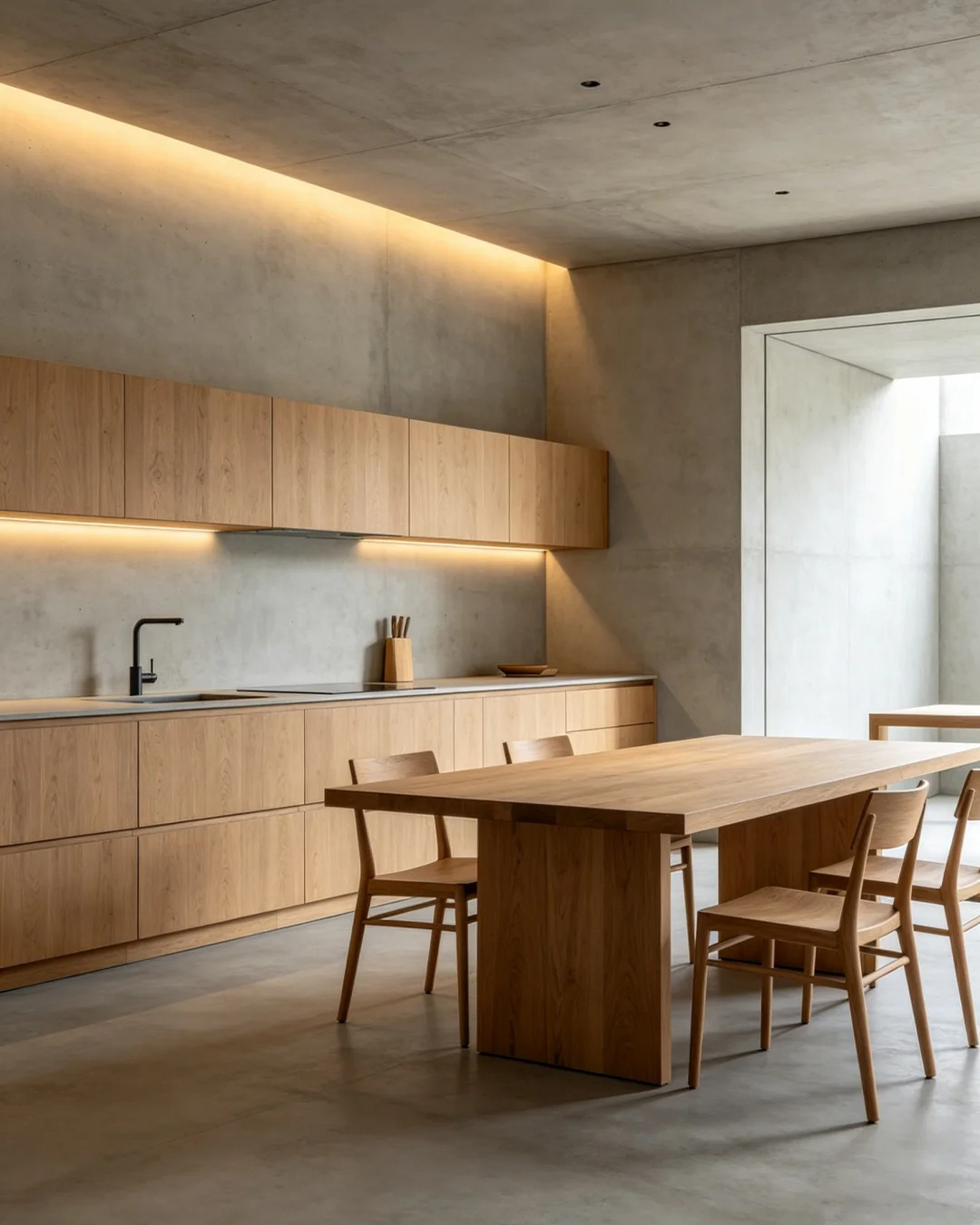
Bathroom renovation projects share a set of recurring headaches. Understanding which problems grey microcement solves helps you evaluate whether it fits your next specification.
Demolition cost and waste: Removing existing tiles generates significant disposal fees and site disruption. Grey microcement applies directly over sound tile surfaces, eliminating demo. Contractors report 40–60% savings on preliminary works when switching from tile replacement to microcement overlay.
Grout maintenance and mould: Standard tile installations require grouting, and grout lines collect moisture, soap scum, and organic growth. In humid climates — think Kuala Lumpur, Lagos, or Miami — this translates to accelerated cleaning cycles and client complaints within months. A seamless grey microcement surface has zero grout lines, reducing maintenance burden and improving hygiene perception.
Colour consistency across large areas: Ordering tiles from different batches introduces shade variation. A bathroom with floor-to-ceiling tiling becomes a patchwork of slightly different greys. Microcement is mixed in one batch and applied continuously, guaranteeing uniform colour and texture from wall to floor, around niches and thresholds.
Substrate movement and cracking: Ceramic tiles rigidly bonded to substrates crack when buildings settle or thermal cycles occur. Microcement's flexible polymer matrix accommodates minor substrate movement, reducing crack propagation. For older properties undergoing renovation — a common scenario in European retrofit projects — this flexibility is a genuine advantage.
Waterproofing reliability: The single biggest risk with any bathroom coating system is water ingress at joints, corners, and penetrations. Properly installed grey microcement with a compatible waterproofing membrane underneath forms a continuous barrier. The key is specifying the right priming and reinforcing mesh system for wet zones, particularly around showers, bathtubs, and floor drains.
Comparing Grey Microcement Against Traditional Bathroom Finishes
The decision between grey microcement and conventional bathroom solutions isn't abstract — it impacts material costs, programme length, after-sales claims, and ultimately project margin. Below is a direct comparison across the dimensions that matter to procurement and project managers.
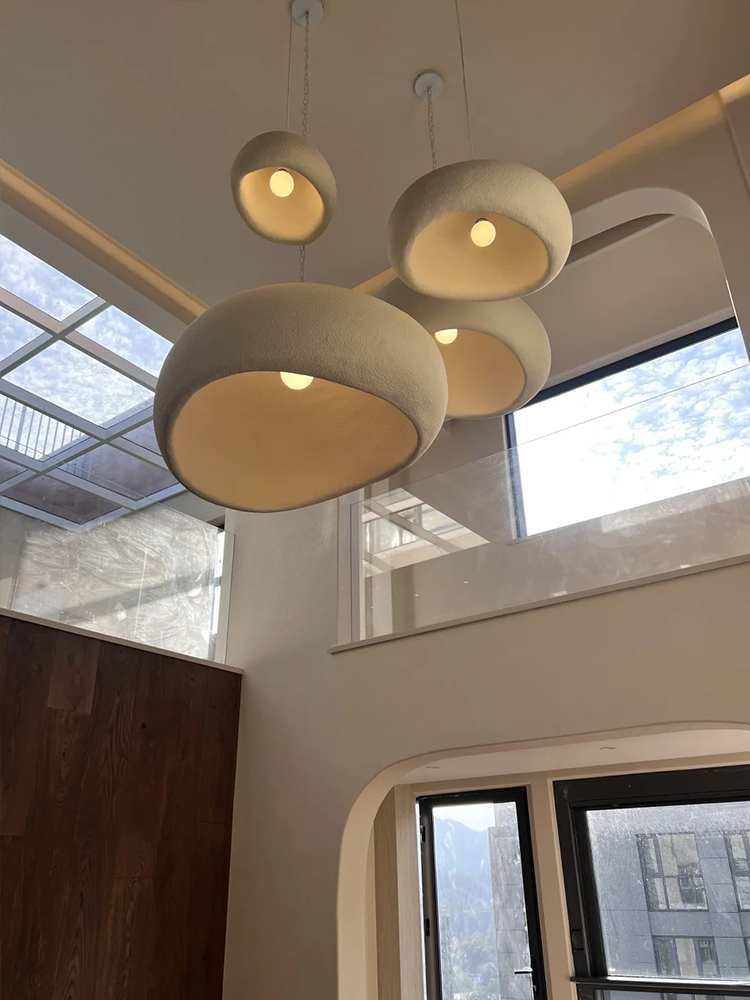
The table makes one thing clear: grey microcement occupies a unique position for renovation-focused contractors and designers. It's not the cheapest option on paper, but when you account for demolition avoidance, faster programme completion, and reduced maintenance calls, the total project cost often comes out favourable.
Key Specifications for Specifying Grey Microcement in Bathroom Projects
Getting the specification right protects your project from performance failures. Here are the non-negotiable items that differentiate a professional grey microcement bathroom install from a DIY-grade application that cracks or delaminates within a year.
Substrate condition assessment: The existing surface must be structurally sound, clean, and free of loose material. Tile substrates should have all grout lines intact — if tiles are already loose or cracking, they need removal before microcement application. Concrete slabs should be fully cured (minimum 28 days) and have moisture content below 4%.
Waterproofing membrane selection: For wet zone applications — inside shower enclosures, around bathtubs, and on bathroom floors — a liquid-applied waterproofing membrane should be installed beneath the microcement system. This creates a secondary waterproofing layer that catches any moisture penetration through the finish coat. Look for membranes compliant with EN 1504-2 or local equivalent standards.
Reinforcing mesh at stress points: Glass fibre or alkali-resistant mesh should be embedded at junctions between walls and floors, around door openings, and at any substrate movement joints. This prevents crack reflection through the microcement finish and is especially critical in older buildings where structural movement is more likely.
Primer compatibility: The primer must match both the substrate material and the microcement product line. Cement-based substrates typically use a penetrating primer; tile surfaces require a bonding primer designed for low-absorption substrates; gypsum boards need a stabilising primer to control suction. Using the wrong primer is one of the most common causes of adhesion failure.
Sealing topcoat for wet areas: A two-pack polyurethane or epoxy sealant provides the final waterproof barrier and determines the sheen level. For shower walls, a semi-matte finish balances aesthetics and cleanability. For bathroom floors, specify an anti-slip additive rated to a minimum of R10 or equivalent to meet commercial building code requirements.
Grey Microcement Bathroom Trends Shaping 2025–2026 Specifications
The market is shifting in ways that make grey microcement more relevant than ever. Three trends are particularly influential for project specifiers.
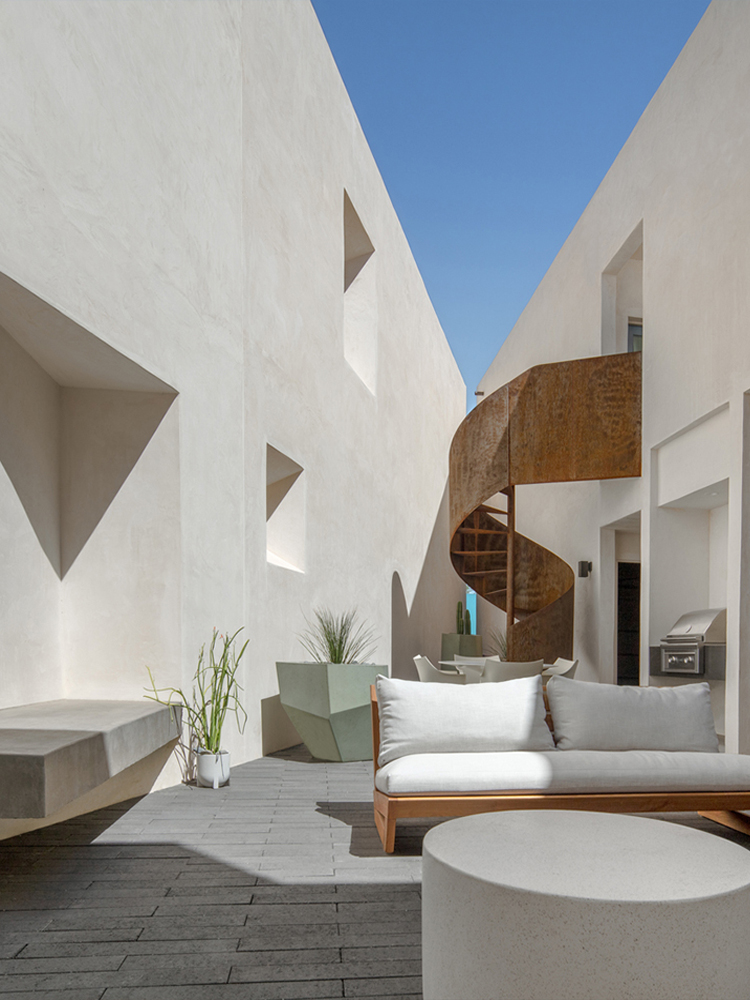
Matte and satin finishes replacing gloss: Designers are moving away from high-gloss surfaces in residential bathrooms in favour of matte and satin microcement finishes. These create a softer, more tactile aesthetic that photographs well and feels premium underhand. The shift is most visible in European and North American luxury residential projects, where biophilic and minimalist design languages dominate.
Warm grey over cool grey: While cool greys dominated the early microcement wave, specifiers are now leaning toward warm greys — Think warm dove, greige, and mushroom tones — for bathroom applications. These shades pair better with natural materials like timber vanities, stone accents, and brushed brass fixtures, creating spaces that feel grounded rather than clinical.
Integrated shower trays and floor drains: The seamless look that makes grey microcement attractive is maximised when the bathroom floor is designed as a single plane with a linear drain, eliminating the need for a traditional raised shower tray. This approach is becoming standard in contemporary hotel and residential bathroom specifications across the Middle East and Southeast Asia, where space efficiency and visual continuity are prioritised.
Summing Up: What Grey Microcement Delivers for Bathroom Projects
Grey microcement isn't a trend that will fade — it's a genuine advancement in bathroom finishing technology. For contractors working on renovation projects, it cuts demolition time and waste. For designers, it offers complete colour and texture freedom without grout line constraints. For developers, it delivers a premium aesthetic at competitive cost over the project lifecycle. The critical success factor is specifying the right system for the right substrate and applying it through trained crews who understand waterproofing integration. When those conditions are met, grey microcement bathrooms perform reliably for decades with minimal maintenance.
Why Choose Us
THE AIKE offers a complete grey microcement bathroom solution designed for the demands of international contractors, designers, and developers. Our microcement systems are formulated for wet-area performance, with compatible waterproofing membranes, primers, and sealing topcoats available as a unified supply package — so you're not coordinating multiple manufacturers or risking compatibility gaps.
We provide custom colour matching for any grey specification, from pale dove to deep charcoal, with sample kits shipped worldwide ahead of project tender. Our technical team supports substrate assessment guidance, application method selection, and on-site troubleshooting for both spray and trowel application, ensuring your crew achieves consistent results on the first try. Every order includes full export documentation, product data sheets, and application manuals in English, and our coatings comply with major international VOC and formaldehyde emission standards, making them suitable for projects in Europe, North America, the Middle East, and Southeast Asia.
If you're evaluating grey microcement for an upcoming bathroom project — whether it's a hotel refurbishment, a spa fit-out, or a residential development — Contact us today for a free product sample and customized coating solution. Our team will help you select the right system for your substrate, climate, and programme requirements, and provide a detailed quotation tailored to your project scope.
“ Contact AIKE Team ”
__________
在线留言
Name*
E-mail*
Country*
Application Areas*
Tel / WhatsApp
Requirement
Business Supervisor:Mr. Bin Zhu


Social media account


