
Microcement Application: Apply Over Tiles Without Demolition
The Demolition Tax Every Renovation Project Pays
When a contractor quotes a bathroom or kitchen renovation, the demolition line item alone can eat 30% of the total budget. Old tiles come off with the bonding mortar, drywall tears open, dust floods the corridor, and the schedule slips two to three weeks. For a property manager juggling 40 units in a single building, or a commercial tenant who needs the space operational by a fixed date, that delay is a financial bleed. Microcement application over existing tiles skips that entire phase. The 2–3mm finish bonds directly to ceramic, porcelain, gypsum board, and bare concrete—no substrate removal, no re-plastering.
What the No-Demolition Approach Actually Changes on Site
The issue isn't just the demo cost. It's the chain reaction: permit re-approvals, tenant relocation, waste-disposal fees, and a window where exposed plumbing and wiring need immediate protection. In a hotel refurbishment,every day the corridor is in demolition mode is a day that wing generates zero revenue.
Microcement application solves this in three controlled steps:
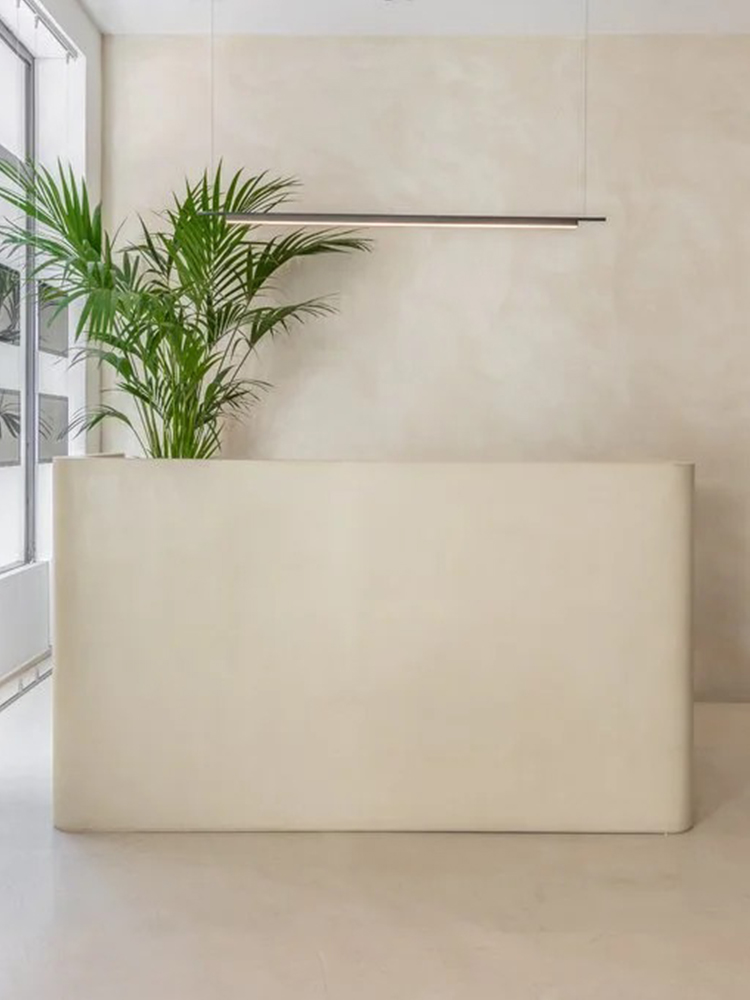
Surface prep. Light-grind the old tile (80–120 grit), knock out loose grout, wipe down, apply a compatible primer. Total prep: 2–4 hours per standard bathroom. No jackhammers, no chisels.
Base coat. Two coats of microcement, 1mm each, trowel or spray applied. On large hotel corridors or retail back-of-house walls, spray application cuts labor by roughly 40% versus pure manual troweling and lets a smaller crew cover more ground before the next shift.
Top coat + seal. One finish coat for texture and color (cement-look, stone-look, or a custom mix), followed by a waterproof sealing top coat. This last layer is what makes the system viable for bathrooms, kitchens, and any wet zone.
The end result is a seamless, joint-free surface where grout lines used to sit. No more blackening, no more tile cracking at expansion joints. For an interior designer working in a minimalist or industrial concept, that continuous wrap from wall to floor is the whole point.
Microcement vs. Full Tile Replacement: Side-by-Side
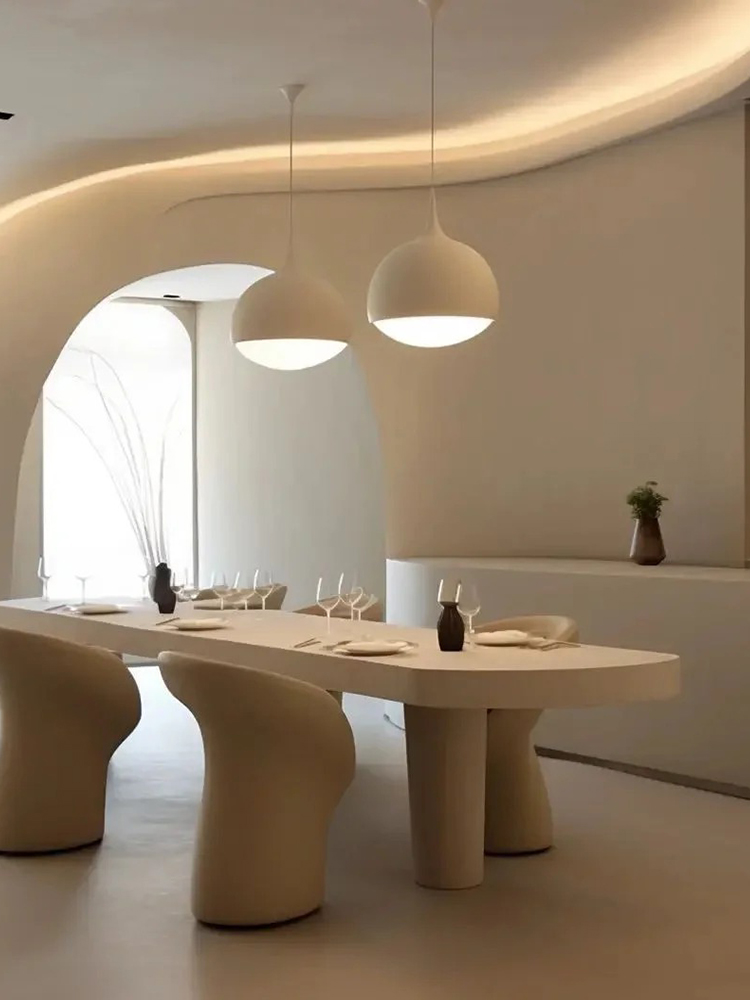
The thickness difference matters more than it looks. In a renovation where door frames and cabinet hardware are already set, 2–3mm of microcement still clears standard door swing. Full re-tiling at the same thickness is fine, but the combined demo-and-rebuild cycle often pushes total added material past that window.
One System, Two Ways to Build
For a contractor bidding on a 200-room hotel refresh, spray application lets a four-person crew finish a corridor overnight. For a designer who wants a textured feature wall in a boutique lobby, the trowel method gives full control over depth and pattern. One product, two construction paths—no need to source a second brand for the "hard" areas.
Why Choose THE AIKE for Microcement Application Projects
Spray + Trowel in One Product. THE AIKE's microcement supports both methods, so a single contractor can handle large-area commercial zones and detailed residential features without switching material suppliers mid-project.

Waterproof Sealing Top Coat. Our exclusive top coat closes the system for bathrooms, kitchens, and high-humidity commercial spaces, removing the need for a separate membrane layer and keeping the finish intact under daily water exposure.
Full-Category Interior Supply. Microcement, eggshell, velvet, lime wash, stucco texture, and floor coatings all come from one order. One supplier, one quality standard, one delivery schedule across the entire project.
Export-Ready Compliance. Complete trade documents and international certifications ship with every container, whether you're a distributor stocking a Middle East market or a developer tendering a Southeast Asia mixed-use project.
Contact us today for a free product sample and a customized microcement application plan matched to your substrate, scope, and timeline.
“ Contact AIKE Team ”
__________
在线留言
Name*
E-mail*
Country*
Application Areas*
Tel / WhatsApp
Requirement
Business Supervisor:Mr. Bin Zhu


Social media account


