
Microcement Shower Walls: A Durable, Seamless Alternative to Tile
Introduction: Why Microcement Shower Walls Are Gaining Traction in Modern Wet Areas
For contractors, interior designers, and property developers working on bathroom renovations or new builds, the shower wall is one of the most challenging surfaces to get right. Traditional tile may be standard, but it comes with grout lines that trap moisture, mold, and dirt—creating ongoing maintenance headaches for end users and installation complexity for crews. Enter microcement shower walls. This seamless, water-resistant coating system is rapidly becoming a preferred choice for high-end residential projects, boutique hotels, and commercial washrooms. Unlike tile, microcement delivers a continuous, joint-free surface that not only looks sleek but also simplifies cleaning and reduces long-term repair costs. For distributors and contractors looking to offer a differentiated product to clients seeking modern aesthetics and low-maintenance performance, microcement shower walls represent a strong business opportunity.
Core Content: What Makes Microcement Shower Walls a Smart Choice for Wet Environments
Microcement is a polymer-modified cement-based coating applied in thin layers (typically 2–3 mm) over existing substrates. When properly sealed with a waterproof top coat, it becomes a fully functional surface for shower enclosures. Here’s why it’s gaining traction across the construction and design industries:
1. Seamless Design Eliminates Grout Weak Points
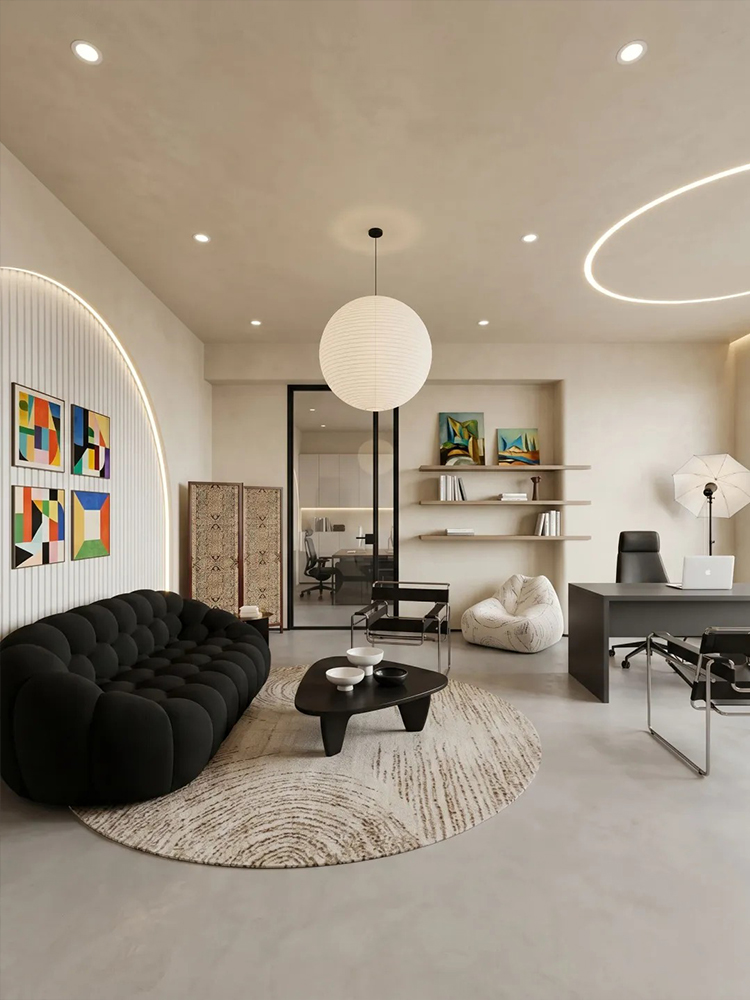
The most significant advantage of microcement over tile is the elimination of grout lines. In traditional tiled showers, grout is the weakest link—it cracks, stains, and harbors mold. Microcement shower walls form a continuous membrane, which not only looks cleaner but also prevents water ingress behind the wall surface. For hotel chains and commercial real estate developers, this translates to lower maintenance costs and fewer guest complaints.
2. Direct Application Over Existing Tile
Renovation contractors know the pain of demolition: removing old tiles creates dust, noise, and disposal costs. Microcement can be applied directly over existing ceramic or porcelain tiles, provided the surface is properly prepared and primed. This dramatically shortens renovation timelines—often from weeks to days—and reduces labor and material waste. For interior designers working on fast-track hospitality renovations, this is a game-changer.
3. Ultra-Thin Profile Preserves Space and Fittings
At only 2–3 mm thickness, microcement does not affect door clearances,shower fixture positions, or cabinet installations. This is especially valuable in retrofit projects where changing tile thickness would require costly adjustments to plumbing or joinery. For residential developers delivering hardbound apartments, this thin overlay avoids rework and keeps project schedules on track.
4. Waterproof System When Properly Sealed
A common concern with microcement in wet areas is water resistance. The truth is that microcement itself is porous, but when paired with a high-performance waterproof sealer and top coat, the system becomes fully impermeable. THE AIKE’s microcement system includes a dedicated waterproof formulation and a sealing top coat specifically designed for high-humidity environments like showers and bathrooms. This ensures long-term durability without peeling or delamination.
5. High Aesthetic Versatility
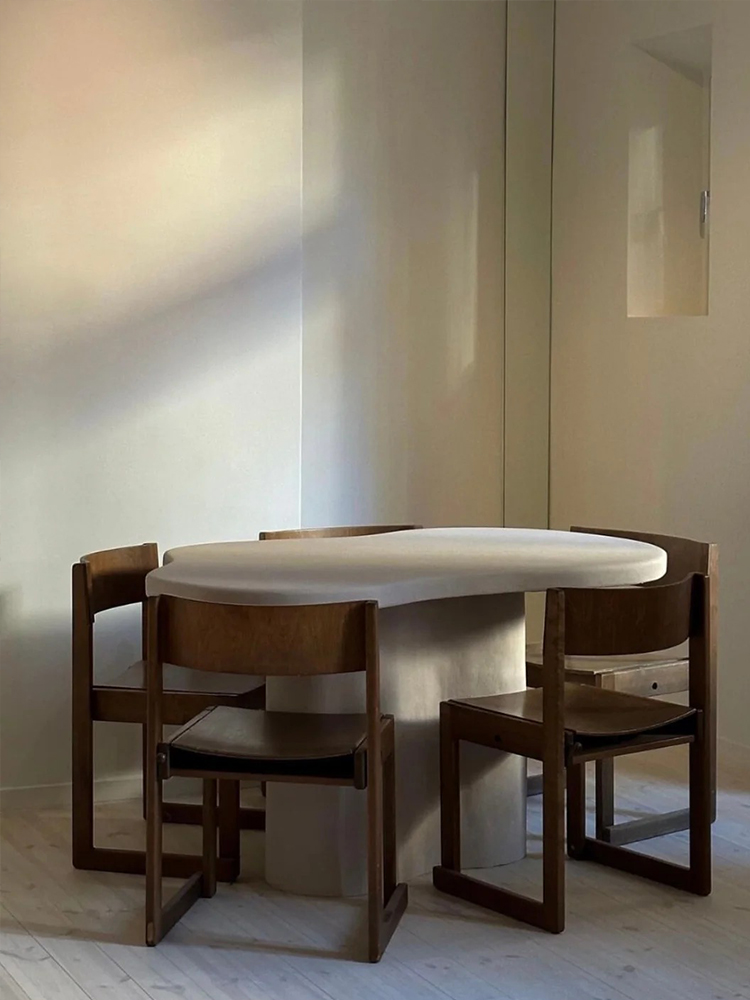
Microcement supports a wide range of finishes—from smooth concrete looks to textured stone effects—and can be tinted to any color. This flexibility allows designers to create minimalist, industrial, or organic modern bathrooms without being limited by tile sizes and patterns. For commercial brands seeking a signature aesthetic across multiple locations, microcement ensures visual consistency.
Comparison Module: Microcement Shower Walls vs. Traditional Tile
This comparison shows that microcement is particularly strong in renovation projects, high-traffic commercial showers, and design-led residential bathrooms where aesthetics, speed, and low maintenance are prioritized.
Content Summary: Is Microcement the Right Choice for Your Next Shower Project?
Microcement shower walls are not a one-size-fits-all solution, but they offer clear advantages for specific project types: fast-track renovations, seamless modern designs, commercial bathrooms requiring easy upkeep, and high-end residential spaces where visual continuity matters. The key to success lies in correct system selection—using a dedicated waterproof microcement formulation and high-quality sealer—and proper application by trained crews. For distributors, this product expands your portfolio with a value-added alternative to tile. For contractors, it opens new service lines in bathroom remodeling without heavy demolition. For designers and developers, it delivers the clean, contemporary look clients increasingly demand.
Why Choose THE AIKE for Your Microcement Shower Walls Project
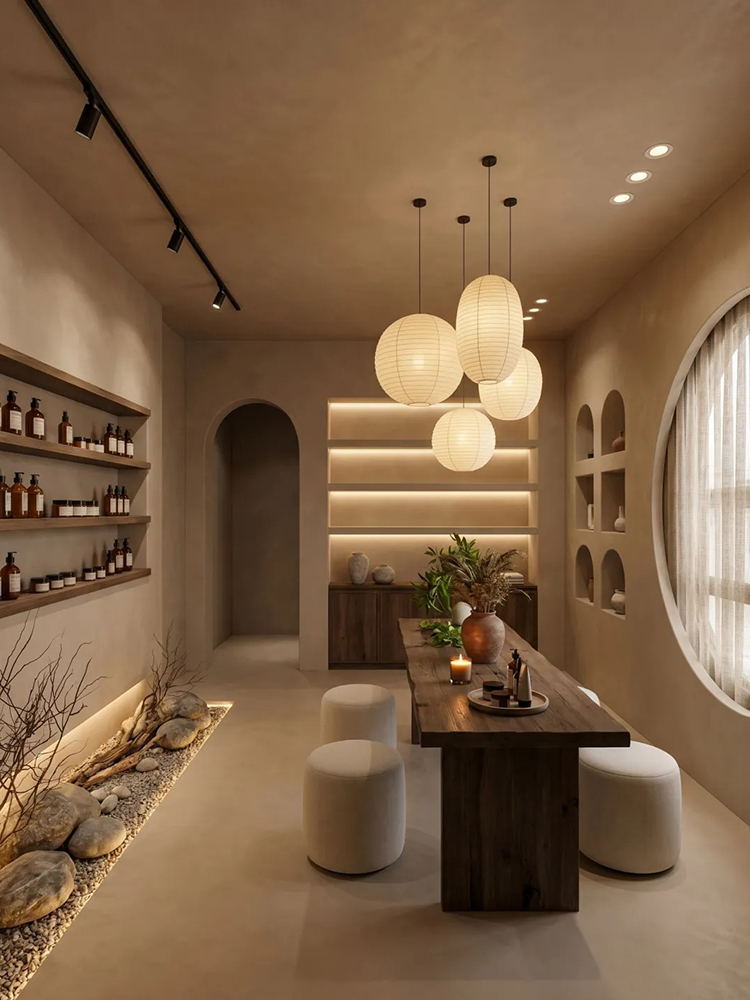
At THE AIKE, we understand the unique demands of wet-area coatings. Our microcement system is engineered specifically for high-humidity environments like shower walls, combining seamless aesthetics with reliable waterproof performance.
Specialized Waterproof System: Our microcement includes an exclusive waterproof formula and sealing top coat, forming a complete barrier against moisture—tested for bathrooms and commercial wet zones.
Direct Application Over Existing Surfaces: Apply directly over tile, cement board, or gypsum—no demolition needed. This reduces renovation time and material waste, helping contractors deliver faster projects.
Full-Process Technical Support: Our senior expert team provides construction guidance, color matching, and system selection advice, ensuring your team applies the product correctly the first time.
Cost-Effective, Reliable Quality: We supply high-performance microcement at competitive prices, helping partners maintain profit margins while delivering premium results.
Contact us today for a free product sample and customized coating solution for your next microcement shower wall project.
“ Contact AIKE Team ”
__________
在线留言
Name*
E-mail*
Country*
Application Areas*
Tel / WhatsApp
Requirement
Business Supervisor:Mr. Bin Zhu


Social media account


