
Microcement Flooring Cost: A Complete Pricing Guide for Contractors and Developers
Introduction: Why Understanding the True Cost of Microcement Flooring Matters
For contractors, interior designers, and real estate developers evaluating microcement flooring, cost is often the first—and most critical—question. But “microcement flooring cost” isn’t a single number. It varies dramatically based on substrate preparation, application system, labor skill level, and product quality. A low upfront price can lead to expensive repairs, while a higher investment in a reliable system can save thousands over the lifecycle of a project. This guide breaks down the real cost drivers, compares different approaches, and helps you make an informed decision for your next commercial or residential project.
Core Content: Key Factors That Drive Microcement Flooring Cost
1. Substrate Preparation and Surface Condition
The single biggest variable in microcement flooring cost is the condition of the existing substrate. If you’re installing over old tiles, uneven concrete, or damaged screed, preparation costs can skyrocket.
Over existing tiles: Requires no demolition if the tiles are sound, but may need a bonding primer and leveling coat.
Over concrete: Cracks and unevenness must be repaired. Deep cracks or large gaps require specialist fillers.
Over wood or gypsum: These substrates are generally unsuitable without a reinforcement mesh and additional primer layers.
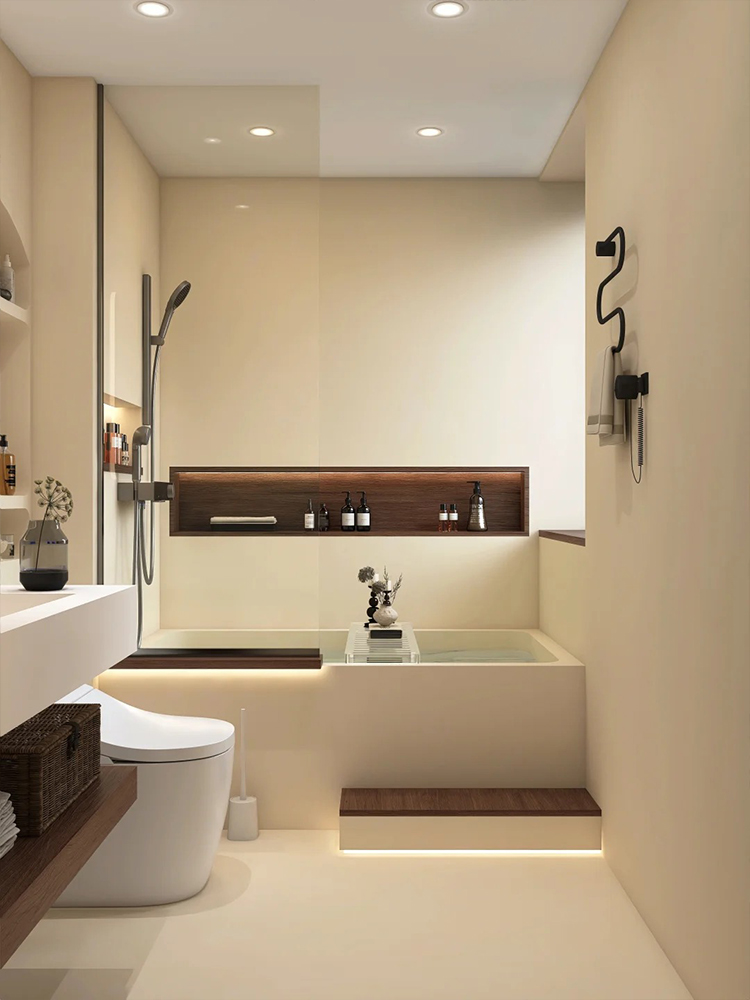
Typical preparation costs range from $2 to $8 per square foot, depending on the level of work needed.
2. Application System and Number of Layers
A standard microcement floor system includes:
Primer coat
Base coat (often 2 layers)
Top coat with sealer
Each layer adds material and labor cost. Thinner systems (2–3mm) reduce material usage but require precise application. Thicker systems (5–7mm) provide greater durability but increase cost and drying time.
3. Labor Skill and Regional Rates
Microcement application is a specialist skill. In regions like the Middle East, Southeast Asia, and Europe, experienced applicators charge $4–$12 per square foot. Less experienced teams may charge less, but risk poor finish quality, cracking, or delamination, which leads to costly rework.
4. Product Quality and Brand
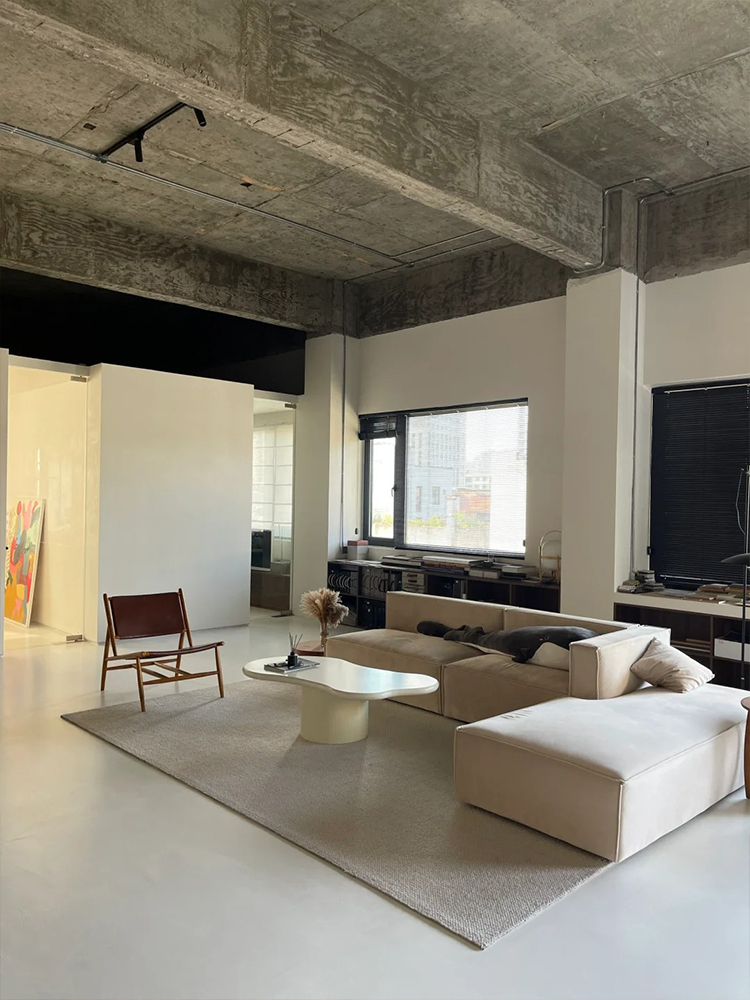
Premium microcement products (like THE AIKE’s microcement range) offer higher adhesion, better crack resistance, and consistent color. Budget products may save 20–30% upfront but often require additional coats, more maintenance, or early replacement.
5. Project Scale and Accessibility
Large-scale commercial projects (hotels, malls, airports) benefit from bulk pricing and faster application rates.
Small residential projects often incur higher per-square-foot costs due to minimum charges and travel time.
Complex layouts with many corners, columns, or curves increase labor time and material waste.
Comparison Module: Microcement Flooring Cost Breakdown by Project Type
Content Conclusion: Making the Right Cost Decision for Your Project
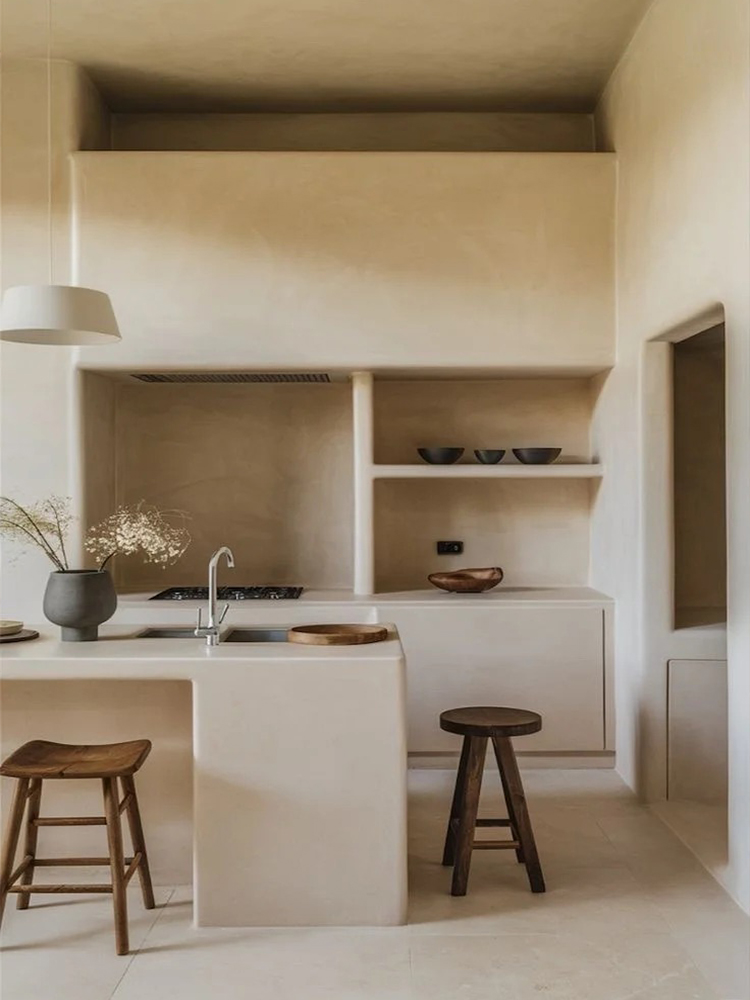
Microcement flooring cost is not just about the price per square foot. It’s about total project value. A slightly higher upfront investment in a quality product and skilled labor pays off through longer lifespan, lower maintenance, and fewer callbacks. For contractors, this means higher profit margins and fewer warranty claims. For developers, it means a finish that holds value and attracts premium tenants. Always request a detailed site survey and a system-specific quotation before comparing costs.
Why Choose THE AIKE for Your Microcement Flooring Project?
At THE AIKE, we understand that controlling microcement flooring cost without sacrificing quality is critical for your project’s success. Here’s why leading contractors, designers, and developers choose us:
Ultra-thin 2–3mm system: Reduces material usage and labor time, lowering your overall project cost while maintaining a premium seamless finish.
Spray + trowel dual construction system: Offers fast large-area application (spray) and precise textured finishes (trowel), giving you flexibility to manage labor costs and project timelines.
Superior adhesion over existing tiles and substrates: Eliminates costly demolition and substrate removal, cutting preparation costs by up to 50%—ideal for renovation and retrofit projects.
Full-category supply, unified quality: All products (microcement, primers, sealers, top coats) are designed as a complete system, ensuring consistent performance and reducing supply chain complexity.
Get your exclusive project quotation and free product sample today. Contact our team for a tailored costing proposal that fits your project scope, timeline, and budget. Request your free consultation now.
“ Contact AIKE Team ”
__________
在线留言
Name*
E-mail*
Country*
Application Areas*
Tel / WhatsApp
Requirement
Business Supervisor:Mr. Bin Zhu


Social media account


