
Microcement Flooring vs. Tiles: Which Is Better for Your Renovation?
Introduction: When the Floor Becomes the Make-or-Break Decision
For contractors bidding on a hotel lobby renovation in Dubai, or a developer upgrading 200 apartments in Bangkok, the floor finish is not just aesthetics—it is cost,timeline, durability, and long-term maintenance rolled into one decision. Traditional tiles and stone have dominated commercial and residential floors for decades. But microcement flooring is rapidly emerging as the go-to alternative, especially for seamless, fast, and high-end renovation projects. If you are an engineering contractor or property developer evaluating flooring options for your next large-scale project, this article breaks down the real differences, hidden costs, and practical trade-offs between microcement and conventional tiling.
Core Content: Why Microcement Flooring Is Reshaping Commercial & Residential Renovation
Contractors and developers face three constant pressures: shorter construction windows, tighter budgets, and higher finish expectations. Microcement flooring directly addresses these challenges in ways traditional tile or stone cannot.
1. Speed Matters: Microcement Cuts Weeks Off Your Schedule
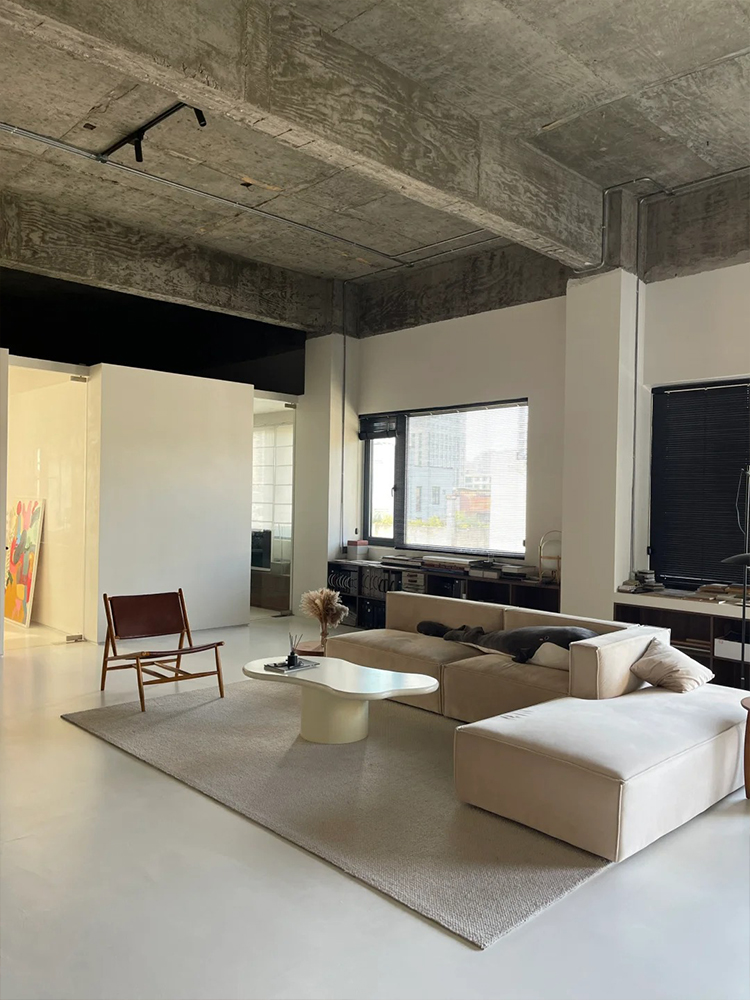
A typical tiling project for a 1,000㎡ commercial space requires concrete subfloor curing, waterproofing, tile laying, grouting, and at least 7–14 days of grout curing before foot traffic. Microcement, applied over existing substrates (ceramic tiles, cement, gypsum board), eliminates demolition entirely. A three-coat system (primer, base microcement, topcoat) can be completed in 3–5 days and is walkable within 24 hours. For chain hotel operators or restaurant brands rolling out multiple locations, that time saving translates directly into faster revenue generation.
2. No Demolition, No Dust, No Disruption
Tearing out old tiles generates massive debris, dust, noise, and disposal costs—often 15–25% of the total renovation budget in older buildings. Microcement flooring applies directly over existing tiles at a thickness of just 2–3mm. This means no jackhammering, no skip hire, and no shutdown of adjacent occupied spaces. For building owners with tenants in place, this is a non-negotiable advantage.
3. Seamless Aesthetics & Waterproof Potential
Unlike tiled floors with inevitable grout lines that trap dirt and moisture, microcement delivers a continuous, joint-free surface. When paired with a proper waterproofing primer and a high-performance sealing topcoat, microcement can be used in bathrooms, kitchens, and even wet rooms. This eliminates the need for separate waterproofing membranes and tile adhesives, further simplifying the supply chain and reducing material costs.
4. Durability in High-Traffic Zones
Commercial floors in lobbies, corridors, and retail spaces face heavy foot traffic, trolley wheels, and frequent cleaning. Microcement flooring, when installed with a quality polyurethane or acrylic sealer, offers scratch resistance and compressive strength comparable to polished concrete. While tiles may chip at edges or crack under point loads, microcement’s monolithic structure distributes stress more evenly.
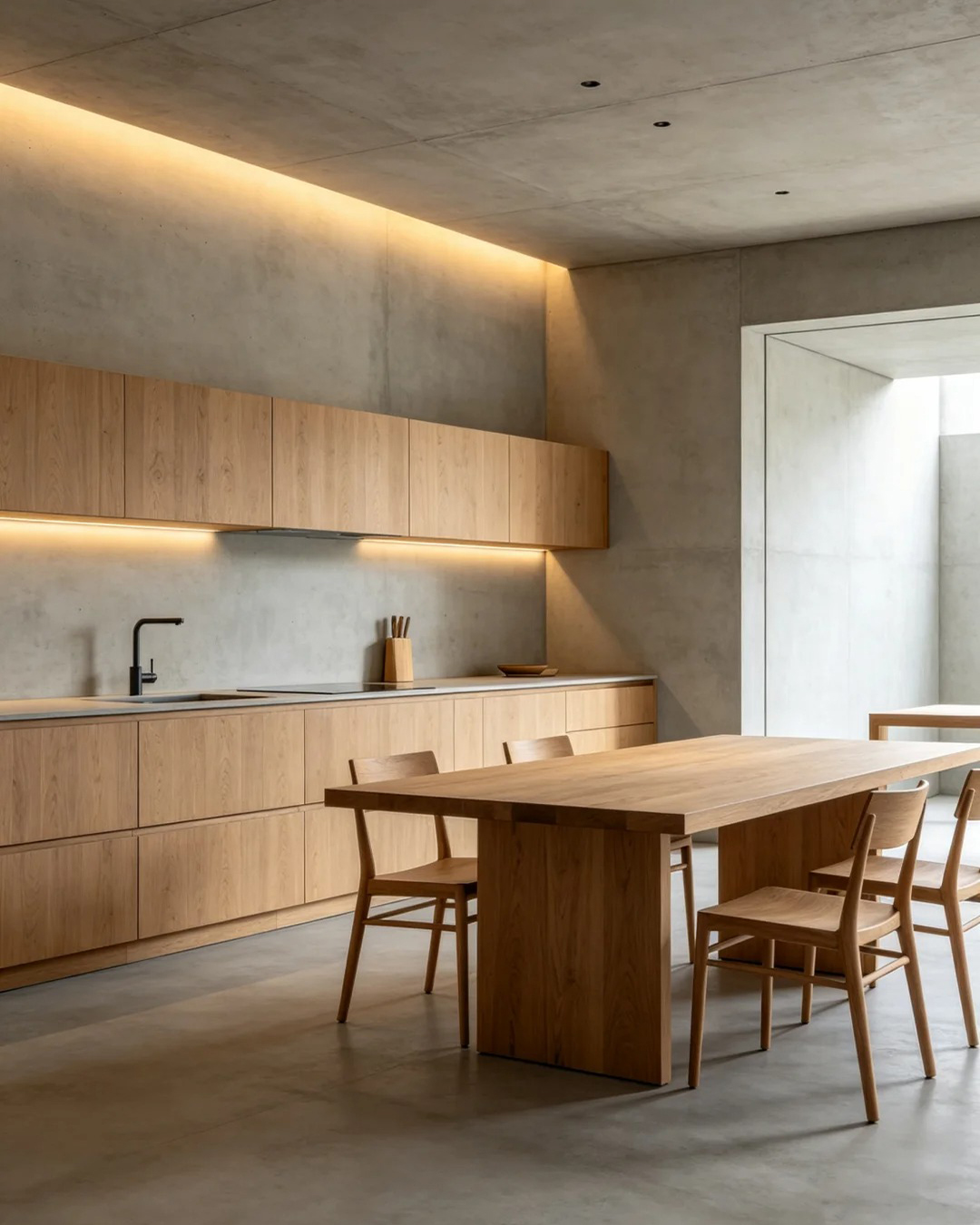
Comparison Module: Microcement Flooring vs. Traditional Tiles – Key Decision Factors
Content Summary: The Right Floor for the Right Project
Microcement flooring is not a universal replacement for tiles. For new-build luxury villas where stone-effect porcelain tiles are specified by the architect, tiles remain a valid choice. However, for the vast majority of renovation projects—hotel refurbishments, apartment upgrades, commercial space fit-outs, and chain retail rollouts—microcement delivers faster installation, lower total cost, fewer logistical headaches, and a premium seamless finish that modern design demands. Contractors who understand this trade-off can win more bids, shorten project timelines, and improve profit margins.
Why Choose Us
At THE AIKE Paint, we understand that a flooring decision is a business decision. Our microcement flooring system is specifically engineered for contractors and developers who need reliable quality, fast application, and long-term durability.
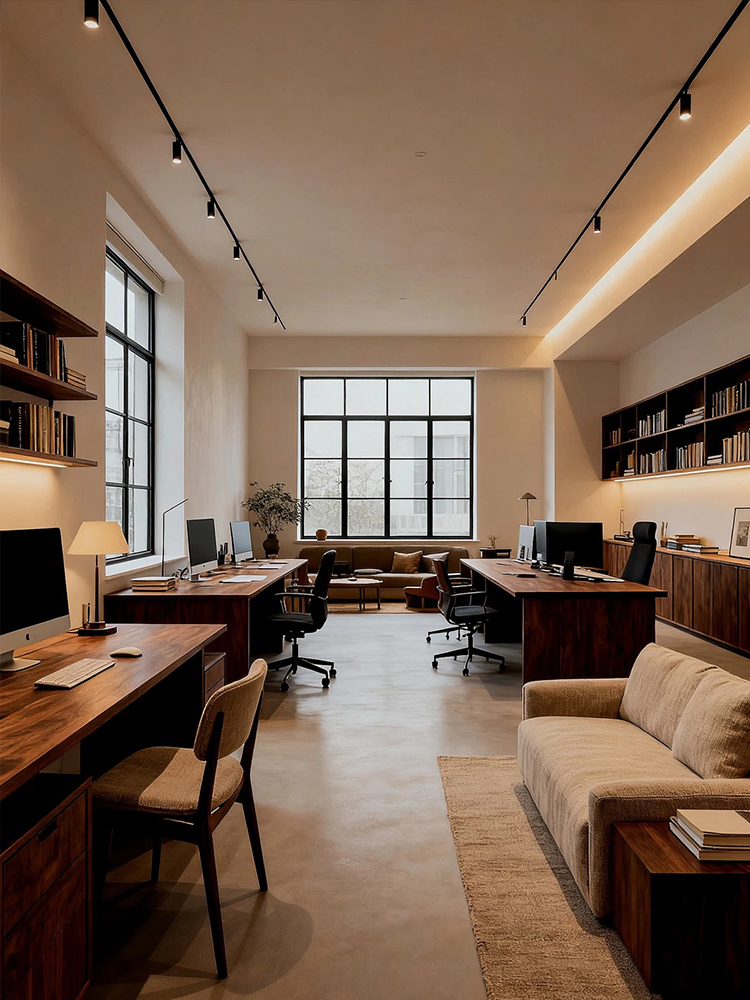
Direct Application Over Existing Tiles – No demolition, no disposal costs. Our microcement bonds directly to ceramic, porcelain, cement, and gypsum board, cutting renovation time by up to 60%.
Integrated Waterproof System – Our exclusive waterproof primer and sealing topcoat form a complete moisture barrier, making microcement flooring suitable for bathrooms, kitchens, and wet rooms without additional membranes.
Spray + Trowel Dual System – Choose trowel for high-end texture or spray for large-area efficiency. Both systems reduce skilled labor dependency and allow rapid team training for standardised, repeatable results.
Full-Project Technical Support – From substrate assessment to application guidance, our senior expert team provides end-to-end support to ensure correct installation and lasting performance.
Ready to simplify your next renovation project and deliver a seamless, durable floor finish your clients will love? Request a free project quotation and full technical support now.
“ Contact AIKE Team ”
__________
在线留言
Name*
E-mail*
Country*
Application Areas*
Tel / WhatsApp
Requirement
Business Supervisor:Mr. Bin Zhu


Social media account


