
Microcement Exterior Finishes: The Ultimate Guide for Contractors & Developers
Choosing the Right Microcement Exterior System for Durable, High-Performance Projects
When specifying finishes for exterior facades, balconies, or garden walls, developers and contractors face a relentless challenge: balancing aesthetic appeal with extreme durability. Traditional render systems often crack under thermal stress, while natural stone or brickwork brings prohibitive costs and complex logistics. This is where microcement exterior applications have emerged as a transformative solution. Unlike standard cementitious renders, exterior-grade microcement offers a seamless, monolithic finish that resists weathering, UV exposure, and mechanical impact. For overseas buyers, selecting the right supplier is not just about price—it is about technical reliability, certification compliance, and long-term project viability.
This guide breaks down the critical factors in sourcing and applying microcement for exterior environments. It addresses the specific pain points of cross-border procurement, compares key product variables, and outlines how to integrate this material into residential and commercial projects effectively. By understanding the technical nuances of exterior microcement, stakeholders can mitigate risk, reduce waste, and deliver high-value results that stand out in competitive markets like Europe, the Middle East, and Southeast Asia.
The Core Challenges of Exterior Microcement Applications
Applying coating systems indoors is straightforward; applying them outdoors introduces variables that can compromise the entire project. The primary challenge lies in the substrate movement. Exterior walls expand and contract due to temperature fluctuations and humidity changes. Standard interior microcement lacks the flexibility and weather resistance required for these conditions, leading to premature cracking and delamination. Therefore, the selection of an microcement exterior product must prioritize elasticity, water repellency, and UV stability.
For contractors, the second major hurdle is the application threshold. Exterior projects often involve large surface areas and tight deadlines. Manual troweling, while offering a unique artisanal look, is labor-intensive and inconsistent. If the product requires highly skilled labor for every square meter, labor costs skyrocket, eroding profit margins. Furthermore,exterior applications are subject to weather delays. A system that cures too slowly risks rain damage before completion, while one that cures too quickly may lead to poor bonding. The ideal exterior microcement solution must offer a balance of workability, rapid curing potential, and forgiveness during application.
From a developer’s perspective, the concern is lifecycle maintenance. Exterior facades are exposed to pollution, acid rain, and biological growth. A poor-quality coating will stain, fade, or grow mold within a few years, damaging the brand reputation of the property. Thus, the microcement exterior system must include a robust protective topcoat that is breathable yet impermeable to liquid water, preventing moisture trapping within the wall structure which can cause structural decay over time.
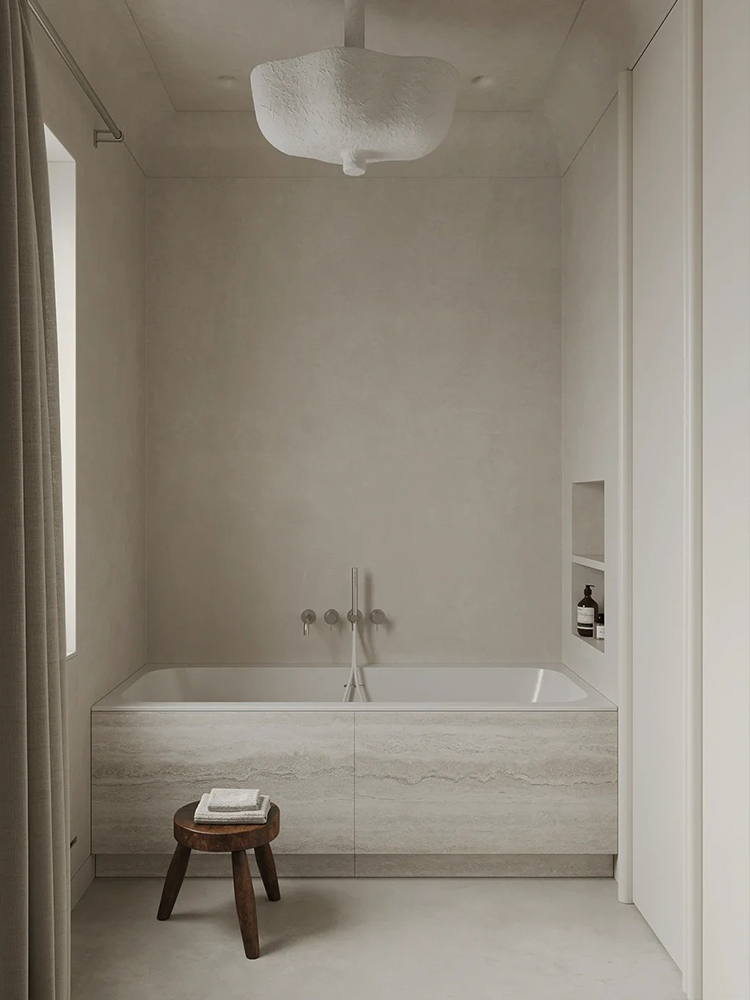
Key Comparison: Interior vs. Exterior Microcement Systems
To make informed purchasing decisions, it is crucial to distinguish between interior and exterior specifications. Many suppliers attempt to sell standard interior products for exterior use, leading to project failures. The table below highlights the critical differences that define a professional exterior solution.
This comparison underscores why generic products fail in exterior contexts. The microcement exterior system is not merely a thicker coat; it is a chemically engineered matrix designed to withstand environmental aggression. For distributors, stocking specialized exterior grades allows for higher margins and positions the brand as a technical expert rather than a commodity seller.
Strategic Sourcing for Cross-Border Procurement
For international buyers, sourcing microcement exterior materials involves navigating complex supply chains. The risk of receiving substandard batches or incorrect technical data sheets is high when dealing with unfamiliar manufacturers. Buyers must verify that the supplier provides full technical documentation, including tensile strength test results, adhesion tests, and weathering simulations.
One effective strategy is to request pre-application samples specifically treated for exterior conditions. Test these samples in harsh environments—subject them to water immersion, freeze-thaw cycles (if applicable to the target market), and UV exposure. This due diligence prevents costly project stoppages. Additionally, consider the logistics of shipping heavy cementitious products. A reliable supplier should offer optimized packaging and consolidated shipping solutions to reduce freight costs, which significantly impact the final landed cost for contractors.
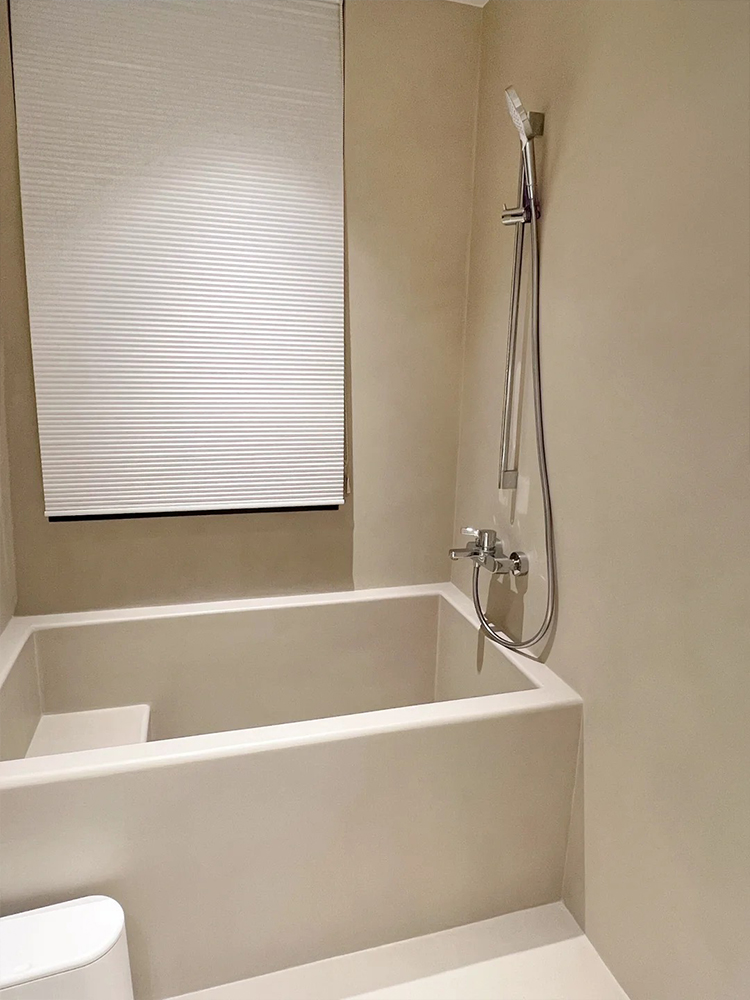
Another critical aspect is technical support. Exterior applications often encounter unforeseen substrate issues, such as existing cracks or dampness. A supplier that provides remote video consultation or detailed troubleshooting guides adds immense value. This support reduces the learning curve for local applicators, ensuring that the microcement exterior system performs as intended. Partnerships with manufacturers who understand global export requirements, including proper labeling and safety data sheets (SDS) in English or local languages, streamline the customs clearance process.
Integrating Microcement into Commercial and Residential Developments
The versatility of microcement exterior finishes allows architects and developers to create cohesive designs across indoor and outdoor spaces. In luxury residential projects, seamless transitions from balcony floors to interior living areas enhance the perception of space. The minimalist aesthetic appeals to modern homeowners seeking low-maintenance, high-end finishes. For commercial developments like hotels and retail centers, exterior microcement offers a durable, easy-to-clean facade that maintains its appearance despite heavy foot traffic and urban pollution.
Contractors benefit from the efficiency of spray-applied exterior systems. Modern formulations allow for machine spraying, which covers large areas up to five times faster than hand troweling. This speed reduces labor hours and accelerates project handover dates. Moreover, the thin profile of microcement (typically 2–3mm) does not add significant weight to structures, making it suitable for retrofitting older buildings without reinforcing the foundation.
For developers, the cost-benefit analysis favors exterior microcement when factoring in reduced maintenance. Unlike painted facades that require repainting every 5–7 years, a properly maintained microcement exterior can last 15–20 years or more. This longevity translates to lower operational costs for property management companies, a key selling point for B2B clients.
Conclusion
Selecting the right microcement exterior solution requires a deep understanding of technical performance, application logistics, and long-term durability. It is not a commodity purchase but a strategic investment in project quality. By prioritizing UV resistance, flexibility, and robust protection systems, stakeholders can avoid common pitfalls associated with exterior coatings. Whether you are a contractor looking to expand your service offerings, a distributor aiming to capture the growing demand for modern finishes, or a developer seeking premium, low-maintenance solutions, choosing a specialized supplier with proven exterior expertise is essential. The shift towards seamless, durable, and aesthetically pleasing exterior surfaces is reshaping the construction industry, and those who adapt to these high-performance materials will lead the market.
Why Choose Us
Specialized Exterior Formulations: Our microcement exterior systems are engineered with high-elasticity binders and UV-stabilized pigments, ensuring resistance to cracking, fading, and weathering for long-lasting facade integrity.
Global Certification & Compliance: We provide complete technical documentation and international certifications (EN, ASTM) tailored for cross-border shipments, simplifying customs clearance and ensuring adherence to local building codes.
Efficient Spray-Compatible Technology: Our products support both hand troweling and machine spraying, allowing contractors to scale operations, reduce labor costs, and accelerate project timelines for large-scale exterior works.
Comprehensive B-End Support: From pre-project sampling and technical guidance to after-sales troubleshooting, our expert team empowers distributors and contractors with the knowledge and resources needed for successful implementation.
Contact us today for a free product sample and customized coating solution
“ Contact AIKE Team ”
__________
在线留言
Name*
E-mail*
Country*
Application Areas*
Tel / WhatsApp
Requirement
Business Supervisor:Mr. Bin Zhu


Social media account


