
Epodex Microcement Alternatives for Contractors & Designers
Why Contractors Are Revisiting Their Microcement Choices
Epodex microcement has built a strong name in decorative coatings, but its premium pricing, regional supply gaps, and limited project-specific support create real headaches for contractors and designers on live jobs. When a tile surface in a Dubai hotel lobby or a bathroom renovation in Singapore needs a seamless cement-look finish, the question isn't just "which brand" — it's "which product delivers the finish, the durability, and the price that protects my margin." This guide breaks down what to compare before committing to a microcement supplier, and where Epodex fits against other options in real project scenarios.
The Real Costs Behind the Epodex Name Tag
Epodex microcement typically lands at a premium price point. For a 500 m² commercial feature wall, material cost alone can push total installed cost to $1,200–$1,800 per m² depending on region and labor rates. Layer on these constraints:
Limited local distributor networks in Southeast Asia, Africa, and parts of South America, forcing project-specific freight and customs handling.
A trowel-only application system across most Epodex SKUs, stretching labor time on large-area jobs.
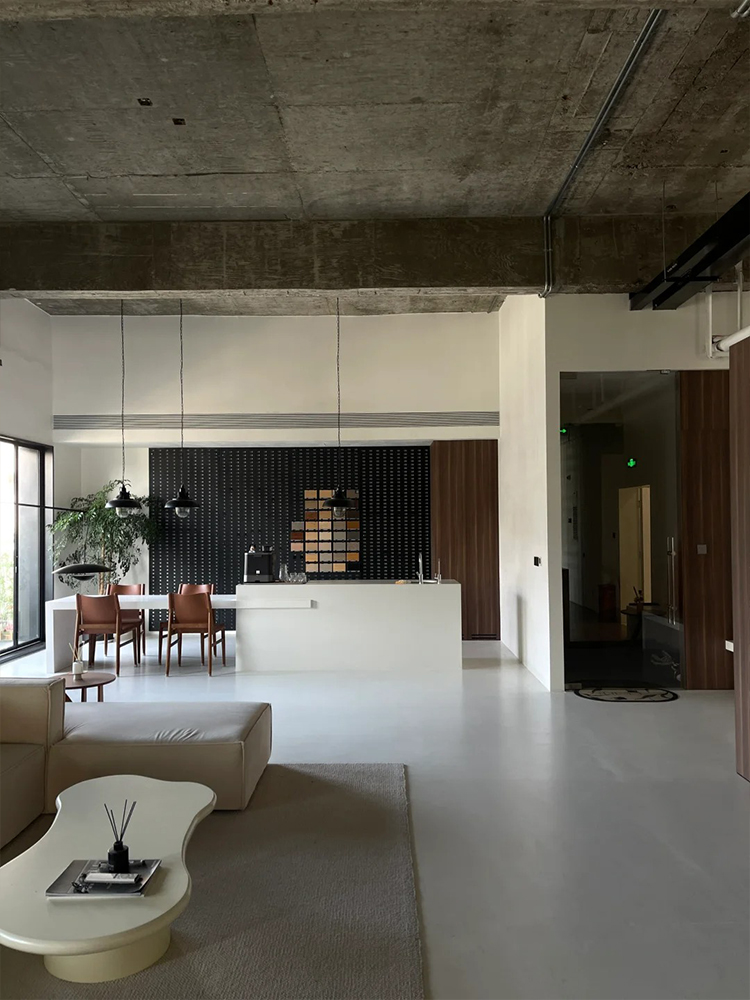
Color and texture customization that often requires larger minimum batch sizes, making small design-spec projects (a single hotel feature wall) less cost-effective.
None of this means Epodex is a bad product. It means the fit depends on your project scale, location, and labor model.
Comparison: What Actually Matters on Site
For a contractor running a 3,000 m² hotel corridor in Riyadh, the spray option cuts labor hours by roughly 30–40% versus pure troweling. That margin difference often tips the scale away from a trowel-only system, even one with a recognized name.
How to Shortlist in 20 Minutes
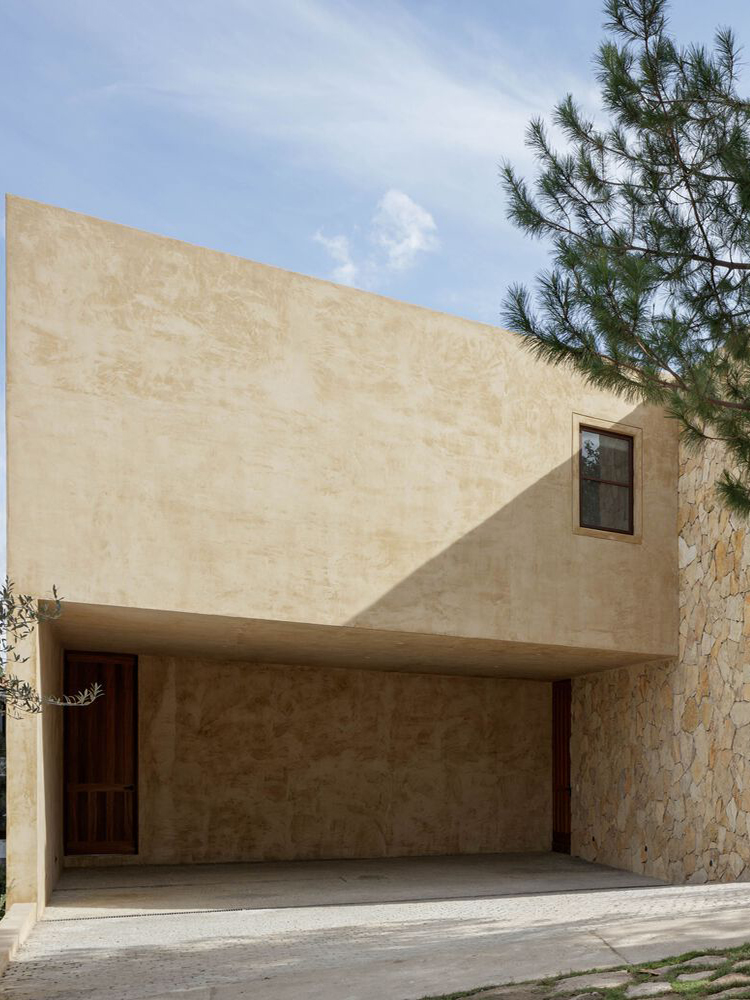
1. Define substrate and humidity zone. Bathroom floors, kitchen backsplashes, and hotel lobbies each demand different waterproofing and wear-resistance specs.
2. Run the labor-cost math. Spray-compatible systems reduce skilled-labor dependency; if your crew is newly trained, a lower application threshold protects your timeline.
3. Check the waterproofing package. A standalone microcement without an integrated sealing topcoat in a high-humidity zone is a future callback cost.
4. Verify certification and export documentation. For cross-border projects, missing test reports or compliance docs stall the job at customs.
The Bottom Line
Epodex microcement is a solid choice where brand recognition matters and budget flexibility exists. For contractors chasing thinner margins, tighter timelines, or projects in regions where Epodex's supply chain is thin, a dual-system microcement with integrated waterproofing and full export documentation can deliver the same seamless cement aesthetic at a lower total installed cost.
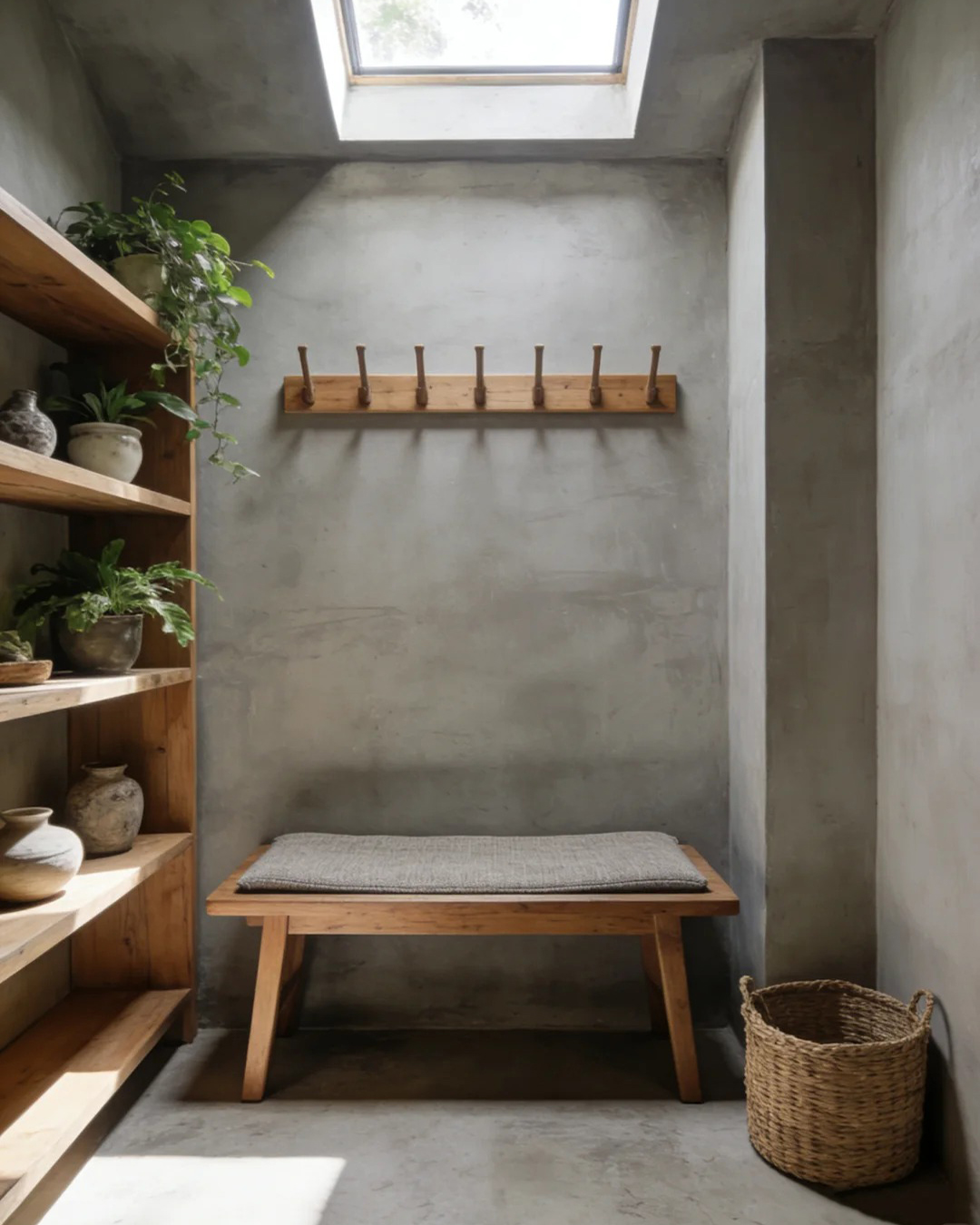
Why Choose THE AIKE
Dual spray + trowel system cuts large-area labor costs by 30–40%, directly protecting contractor margins on commercial and hospitality projects.
Integrated waterproof topcoat eliminates the "buy a separate sealer" gap, critical for bathrooms, kitchens, and high-traffic commercial zones.
Full 6-continent export with complete trade documents and certifications, so your project never stalls at customs or fails a green-building compliance check.
VOC-free water-based formulas meet EU, US, and Middle East green-project standards, helping developers and designers win high-end tenders.
Contact us today for a free product sample and a customized coating solution matched to your project's substrate, area, and finish specification.
“ Contact AIKE Team ”
__________
在线留言
Name*
E-mail*
Country*
Application Areas*
Tel / WhatsApp
Requirement
Business Supervisor:Mr. Bin Zhu


Social media account


