
Microcement Flooring Cost: A Real-World Pricing Guide for Contractors and Developers
Introduction: Why Understanding Microcement Flooring Cost Matters for Your Next Project
For contractors, developers, and interior designers working on commercial or residential projects, few questions are as critical as “What is the true microcement flooring cost?” In the Middle East, Southeast Asia, and global markets, microcement has become a go-to solution for seamless, modern finishes. However, the cost per square meter can vary dramatically depending on product quality, substrate preparation, application method, and labor expertise. Many project decision-makers fall into the trap of comparing only material prices, ignoring installation complexity, long-term maintenance, and rework risks. This guide breaks down the real cost components, common hidden expenses, and how to optimize your budget without compromising on durability or aesthetics.
Core Content: Breaking Down the Microcement Flooring Cost Components
To accurately estimate microcement flooring cost, you must consider four primary factors: material quality, substrate condition, application system, and labor efficiency.
1. Material Quality and Product System
Microcement is not a single product but a system comprising a base coat, top coat, sealers, and sometimes a primer. Low-cost products often use inferior binders and fillers, leading to cracking, poor adhesion, or rapid wear. Premium microcement systems—such as THE AIKE’s microcement line—feature advanced polymer formulations that enhance flexibility, scratch resistance, and waterproofing. While the initial cost per kilogram may be 20-30% higher, the total project cost is often lower due to reduced material consumption and fewer defects.
2. Substrate Preparation Costs
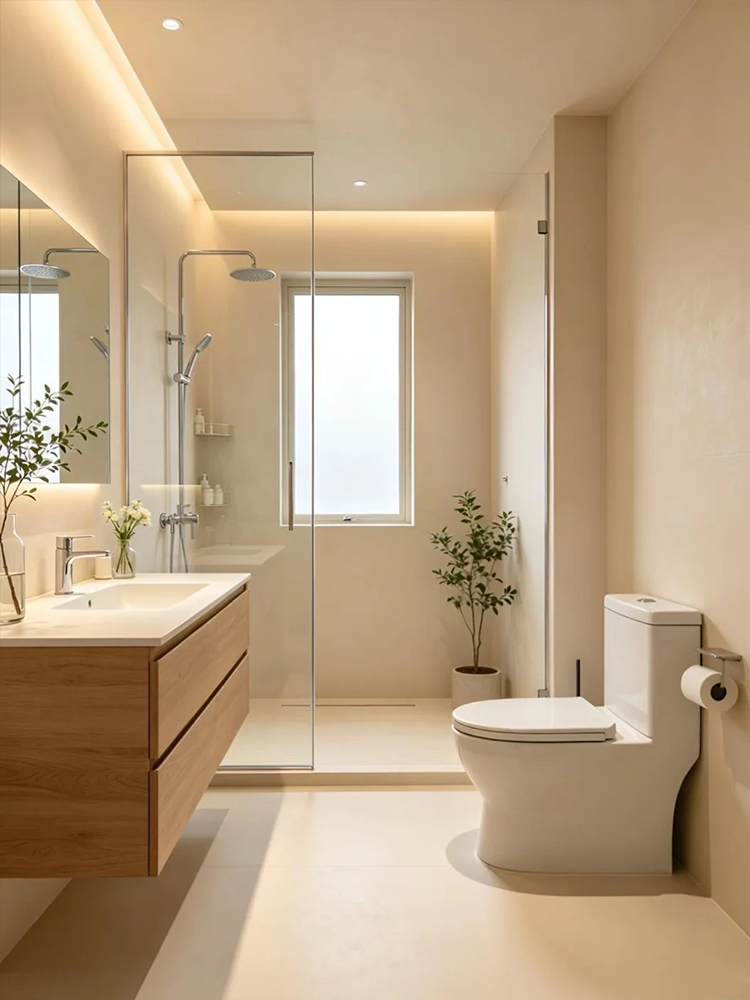
The cost of preparing the existing floor is frequently underestimated. If you are applying microcement over old tiles, concrete, or wooden floors, the need for grinding, leveling, or priming adds $2–5 per square foot depending on substrate condition. For renovation projects—common in hotel lobbies or retail chains—this can double the total microcement flooring cost. However, high-adhesion microcement systems, like those from THE AIKE, can be applied directly over tiles without demolition, saving significant demolition and disposal expenses.
3. Application System: Trowel vs. Spray
Traditional trowel-applied microcement requires skilled artisans and multiple layers, increasing labor time and cost. Spray-applied systems, while requiring specialized equipment, dramatically reduce application time and labor costs—especially for large areas (over 500 sqm). For large-scale developers or chain brand contractors, spray application can cut overall microcement flooring cost by 15-25% compared to pure troweling. Combining both methods (spray for base layers,trowel for final texture) offers a balanced approach.
4. Labor Skill and Regional Variations
In markets like the UAE or Saudi Arabia, skilled microcement applicators command premium rates ($8–15 per sqm). In Southeast Asia, rates may be lower but quality control remains a challenge. Training your crew using standardized systems reduces reliance on top-tier artisans, lowering labor costs and ensuring consistent quality across multiple project sites.
Comparison Module: Microcement Flooring Cost by Application Method and Product Quality
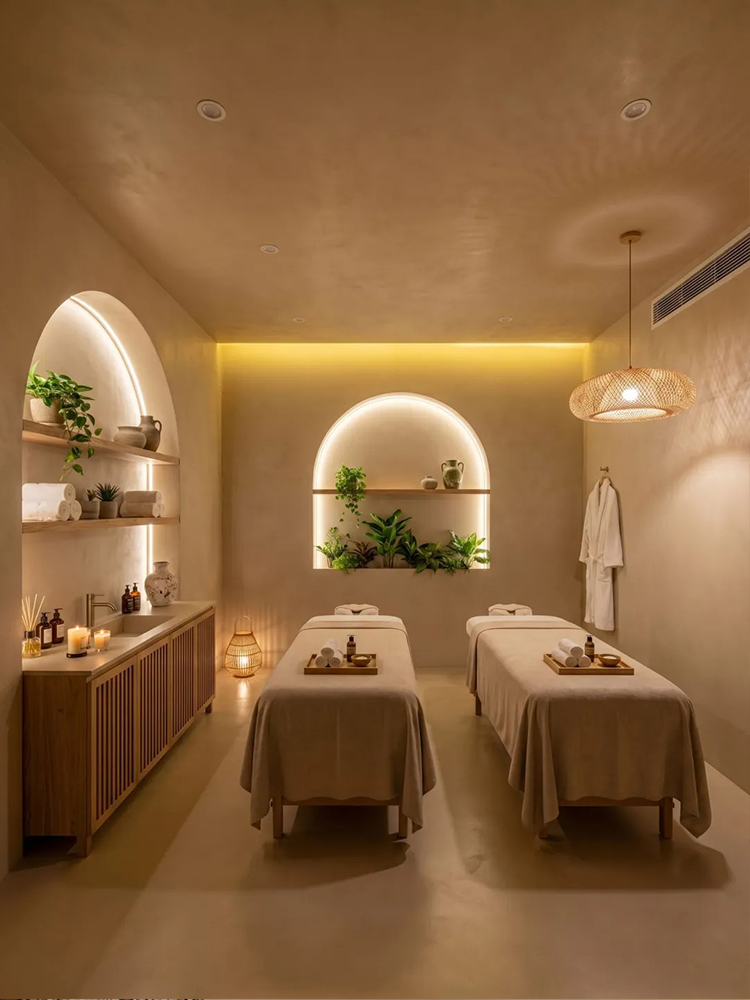
Key Insight: While premium systems have higher upfront material costs, the total installed cost is often lower or comparable when factoring in substrate savings, reduced labor time, and lower rework risks. For large-scale projects, the spray application option saves 15–25% on labor alone.
Content Summary: Making the Right Choice for Your Project Budget
Microcement flooring cost is not a simple number—it is a function of material, substrate, labor, and system design. For contractors, choosing a premium, easy-to-apply system like THE AIKE microcement reduces hidden costs (demolition, rework, maintenance) and improves project margins. For developers and designers, investing in a durable, waterproof microcement floor ensures long-term value and lower lifecycle costs. Always request a detailed cost breakdown from your supplier, including material, primer, sealer, and recommended application method, to avoid surprises.
Why Choose THE AIKE for Cost-Effective Microcement Flooring Solutions
1. Lower Total Installed Cost with Direct Tile Application
THE AIKE microcement’s superior adhesion allows installation directly over existing tiles, cement, or gypsum board without demolition—saving up to 50% on substrate preparation costs.
2. Dual Application System for Flexible Cost Control
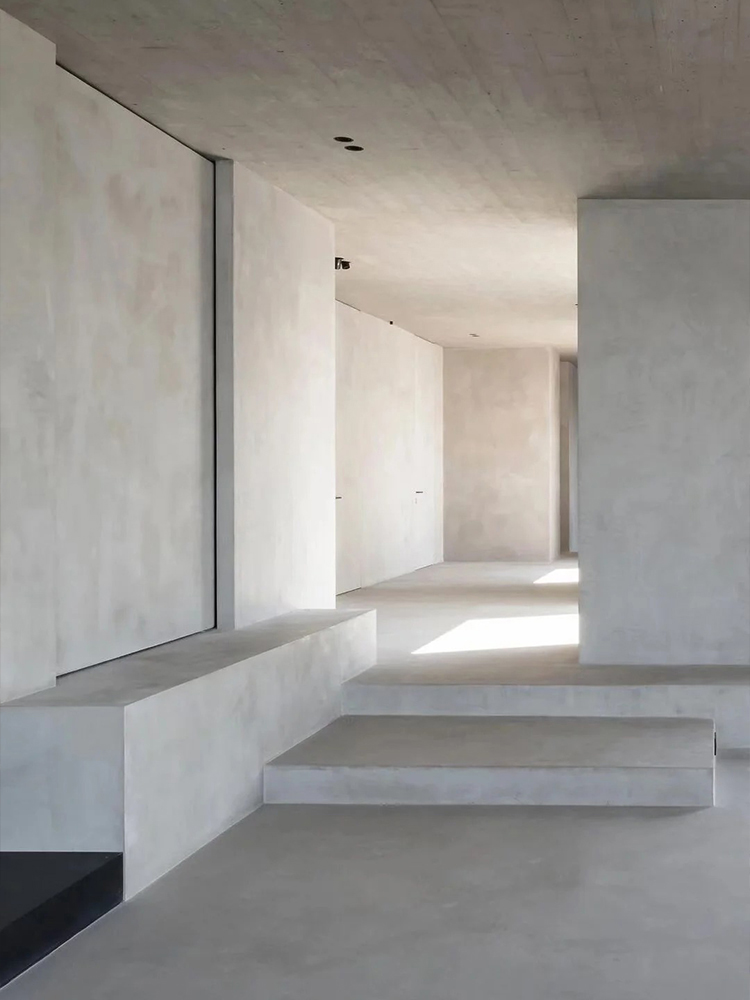
Our microcement supports both trowel and spray application. For large projects, the spray system cuts labor time and cost by 15–25%, while maintaining a premium finish.
3. High Durability Reduces Long-Term Expenses
With scratch-resistant, waterproof performance, our microcement floors require minimal maintenance over 5+ years, lowering total lifecycle cost compared to budget alternatives.
4. Full-Category Supply for Unified Project Procurement
THE AIKE offers complete interior, exterior, and floor coating systems, enabling single-source supply and consistent quality—reducing procurement complexity and cost.
Get Your Customized Cost Estimate Today
Ready to calculate your exact microcement flooring cost for your next project? Contact us now for a free project quotation, product sample, and full technical support tailored to your site conditions and budget.
“ Contact AIKE Team ”
__________
在线留言
Name*
E-mail*
Country*
Application Areas*
Tel / WhatsApp
Requirement
Business Supervisor:Mr. Bin Zhu


Social media account


