
Microcement Cost Breakdown: What to Expect for Your Next Project
When planning a renovation or new build, one of the first questions contractors, designers, and developers ask is: What is the real cost of microcement? Unlike traditional tiles or paint,microcement pricing is not simply a per-gallon figure; it involves material selection, labor complexity, surface preparation, and project scale. For overseas coating distributors, engineering contractors, interior designers, and real estate developers, understanding the total cost of microcement helps avoid budget overruns and ensures the right supplier partnership.
This article breaks down the cost of microcement by key factors, compares different application scenarios, and provides actionable insights for making cost-effective procurement and project decisions.
01.Why Microcement Costs Vary More Than You Think
Microcement is a decorative coating system applied in thin layers (2–3 mm) over existing surfaces. Its cost depends on several interdependent variables:
Product quality and formulation: Premium water-based microcement with high adhesion, waterproofing, and scratch resistance costs more than basic cementitious mixes. Cheap alternatives may crack or yellow, increasing long-term maintenance.
Surface preparation: Applying over tiles, concrete, gypsum, or drywall requires different primers and repairs. Removing old tiles or leveling uneven floors adds significant labor.
Labor expertise: Skilled applicators command higher rates but deliver seamless finishes. Inexperienced crews may waste material and require rework.
Project scale and complexity: Small feature walls cost more per square meter than large commercial floors due to setup and minimum order quantities.
Geographic location: Labor and shipping costs vary by region. Import duties and certification requirements also affect final pricing.
For a 100 m² residential floor project, material cost typically ranges from $8 to $25 per square meter for the microcement system (primer, base coat, top coat, sealer). Labor adds $10 to $30 per square meter, depending on region and complexity. Total project cost often lands between $20 and $60 per square meter, including surface prep.
02.Cost Comparison: Microcement vs. Traditional Flooring Options
To help distributors, contractors, and developers make informed comparisons, here is a clear cost and performance breakdown:
Key Insight: Microcement offers a competitive total cost when considering long-term maintenance and aesthetic versatility. It avoids demolition costs, making it especially cost-effective for renovation and retrofit projects.
03.How to Control the Cost of Microcement in Your Projects
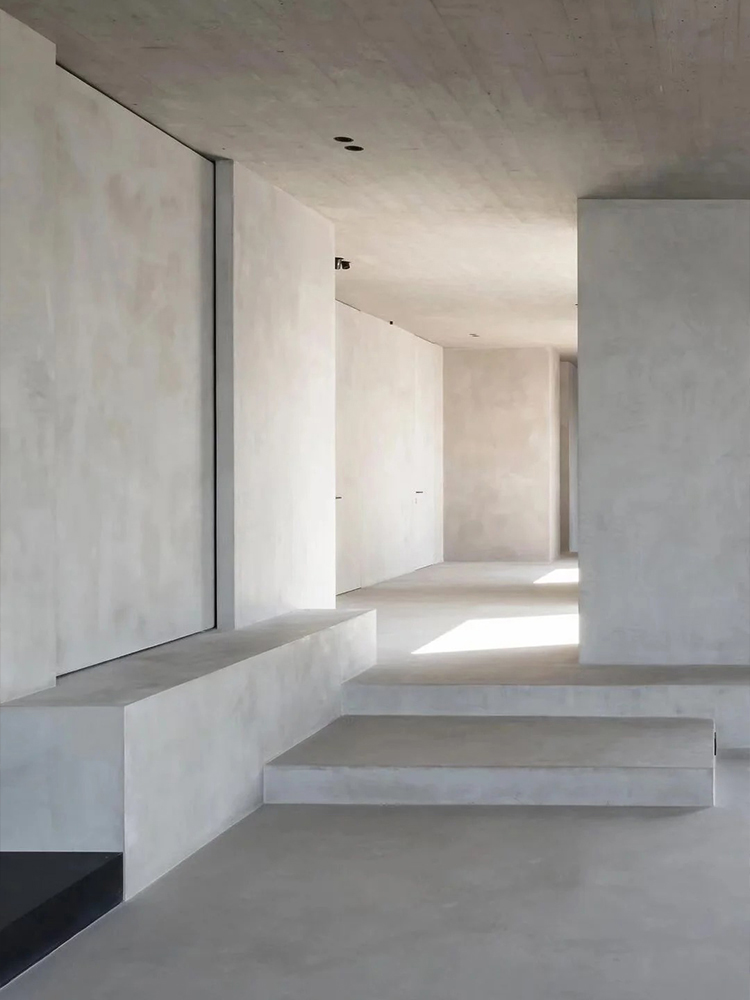
1. Choose the Right Product System
Not all microcement is equal. A complete system includes primer, base coat, colored top coat, and protective sealer. Some suppliers sell "all-in-one" products that simplify application but limit customization. For large projects, using a full-category system from a single manufacturer ensures compatibility and consistent quality—reducing waste and rework.
Actionable tip: Request a detailed product data sheet and ask about coverage rates (e.g., 1 kg covers 2–3 m² per coat). Low-priced products often have lower coverage, increasing total material usage.
2. Optimize Surface Preparation
Microcement can be applied directly over existing tiles, cement, or gypsum board without removal—this is the single biggest cost saver. However, the surface must be clean, sound, and primed properly. Skipping primer or using incompatible materials leads to adhesion failure and costly repairs.
Actionable tip: Budget 10–15% of the total project cost for surface preparation and primer. This upfront investment pays off in long-term durability.
3. Match Application Method to Project Scale
Microcement supports both trowel and spray application. For large commercial spaces (hotels, malls, exhibition halls), spray application reduces labor time by 30–40% and ensures uniform thickness. For small residential features, troweling offers more texture control.
Actionable tip: For projects over 500 m², prioritize spray-capable systems. This cuts labor cost and speeds up project delivery.
4. Source from a Reliable Manufacturer
Direct factory partnerships eliminate middlemen markups. A manufacturer like THE AIKE Paint offers competitive pricing with consistent quality, full certification support, and global export capability. This is especially important for overseas distributors and contractors who need predictable costs and stable supply.
Actionable tip: Ask suppliers for a landed cost estimate including shipping, duties, and certification. Compare total cost, not just per-kg price.
04.Real-World Cost Scenarios
Scenario 1: Hotel Lobby Renovation (500 m² floor)
Material: Full microcement system (primer, base, top coat, sealer)
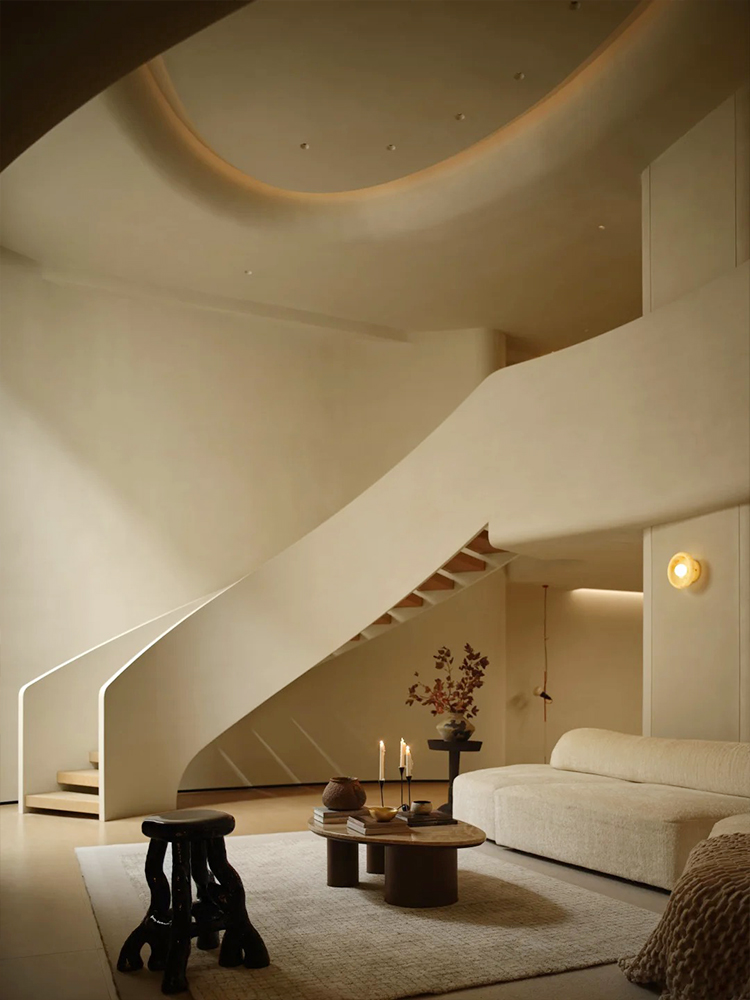
Surface: Existing marble tiles (no removal needed)
Application: Spray + trowel combination
Total cost: Approx. $18,000–$25,000 ($36–$50/m²)
Savings vs. removing tiles and installing new stone: 40–50%
Scenario 2: Residential Bathroom (20 m² walls + floor)
Material: Waterproof microcement system
Surface: Existing ceramic tiles (direct apply)
Application: Trowel only
Total cost: Approx. $800–$1,200 ($40–$60/m²)
Savings vs. tile removal and re-tiling: 30–40%
Scenario 3: Commercial Kitchen (100 m² floor)
Material: High-durability microcement with extra sealer
Surface: Concrete (leveling required)
Application: Trowel only
Total cost: Approx. $3,500–$5,000 ($35–$50/m²)
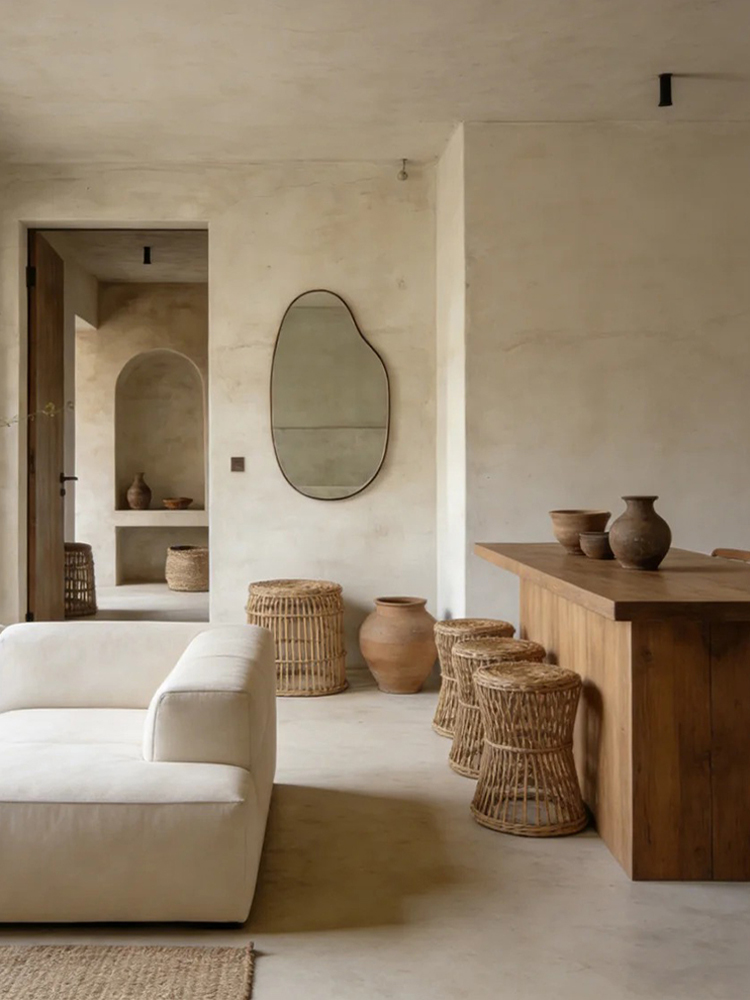
Savings vs. epoxy (including downtime): Significant due to faster curing
05.Summary: Making Smart Cost Decisions on Microcement
The cost of microcement is not a fixed number—it is a function of product quality, application method, surface condition, and project scale. For overseas distributors, contractors, and developers, the key to cost control lies in:
Selecting a complete, compatible product system
Avoiding unnecessary demolition by applying over existing surfaces
Matching application method to project size
Partnering with a reliable manufacturer for competitive pricing and technical support
When you understand the true cost drivers, you can budget accurately, avoid surprises, and deliver high-value projects that stand out in the market.
06.Why Choose Us
At THE AIKE Paint, we help you optimize the cost of microcement without compromising quality. Here’s how we support your projects:
Complete Full-Scene Product System: Our microcement range covers primers, base coats, top coats, and sealers for walls, floors, bathrooms, and commercial spaces—all from one source, ensuring compatibility and reducing supply chain costs.
Cost-Effective Formulation: We manufacture water-based microcement with high coverage and excellent adhesion, helping you reduce material usage and project waste. Our pricing supports your profit margins while delivering premium finishes.
Senior Expert Technical Support: Our team provides full-process guidance, from product selection to application method (trowel or spray), ensuring efficient installation and minimal rework. This directly lowers your labor and material costs.
Global Export & Certification: We ship to six continents with full compliance documentation. No hidden fees, no quality surprises—just reliable supply and transparent pricing.
Contact us today for a free product sample and customized coating solution to see how THE AIKE Paint can reduce the cost of microcement in your next project.
“ Contact AIKE Team ”
__________
在线留言
Name*
E-mail*
Country*
Application Areas*
Tel / WhatsApp
Requirement
Business Supervisor:Mr. Bin Zhu


Social media account


